Grammar Point:The Chinese word 時時时时 shíshí means “constantly” or “all the time.” It is an adverb used to describe actions or states that happen frequently or continuously. Structure 時時时时 shíshí + Verb / Verb Phrase The word 時時时时 shíshí is not typically used in daily conversation. It is more formal or poetic, often appearing in literature, speeches, or writing with a more elegant…

Category: HSK 6
Story About My Grandma – 1
Transcript 哎ei, 其實qíshí我wǒ最近zuìjìn才cái知道zhīdào我wǒ的de爸爸bàba的de媽媽māma的de媽媽māma家庭jiātíng其實qíshí跟gēn我wǒ沒有méiyǒu真的zhēnde關係guānxī。 哎ei, 其实qíshí我wǒ最近zuìjìn才cái知道zhīdào我wǒ的de爸爸bàba的de妈妈māma的de妈妈māma家庭jiātíng其实qíshí跟gēn我wǒ没有méiyǒu真的zhēnde关系guānxi。 在zài我wǒ爸爸bàba的de媽媽māma也yě就是jiùshì我wǒ奶奶nǎinai那個nàge年代niándài, 在zài我wǒ爸爸bàba的de妈妈māma也yě就是jiùshì我wǒ奶奶nǎinai那个nàge年代niándài, 因為yīnwèi臺灣人Táiwānrén的de生活shēnghuó非常fēicháng的de窮qióng, 所以suǒyǐ他們tāmen沒有méiyǒu錢qián。 因为yīnwèi台湾人Táiwānrén的de生活shēnghuó非常fēicháng的de穷qióng, 所以suǒyǐ他们tāmen没有méiyǒu钱qián。 如果rúguǒ你nǐ生shēng了le雙胞胎shuāngbāotāi, 就是jiùshì2 個ge孩子háizi一起yìqǐ出生chūshēng的話dehuà, 如果rúguǒ你nǐ生shēng了le双胞胎shuāngbāotāi, 就是jiùshì2 个ge孩子háizi一起yìqǐ出生chūshēng的话dehuà, 他們tāmen沒有méiyǒu錢qián照顧zhàogù2 個ge孩子háizi, 他們tāmen就jiù會huì把bǎ其中qízhōng一個yíge孩子háizi送sòng給gěi別人biérén或者huòzhě是shì賣mài給gěi別人biérén。 他们tāmen没有méiyǒu钱qián照顾zhàogù2 个ge孩子háizi, 他们tāmen就jiù会huì把bǎ其中qízhōng一个yíge孩子háizi送sòng给gěi别人biérén或者huòzhě是shì卖mài给gěi别人biérén。 那nà我wǒ奶奶nǎinai就是jiùshì那個nàge被bèi賣掉màidiào的de孩子háizi。 那nà我wǒ奶奶nǎinai就是jiùshì那个nàge被bèi卖掉màidiào的de孩子háizi。 那nà我wǒ的de曾祖母zēngzǔmǔ為什麼wèishénme要yào買mǎi我wǒ奶奶nǎinai呢ní? 那nà我wǒ的de曾祖母zēngzǔmǔ为什么wèishénme要yào买mǎi我wǒ奶奶nǎinai呢ní? 這zhè也yě是shì一個yíge那個nàge時候shíhòu社會shèhuì很hěn常見chángjiàn的de迷信míxìn。 这zhè也yě是shì一个yíge那个nàge时候shíhou社会shèhuì很hěn常见chángjiàn的de迷信míxìn。 所以suǒyǐ在zài她tā買mǎi我wǒ奶奶nǎinai以前yǐqián, 她tā懷孕huáiyùn很hěn多duō次cì, 可是kěshì每měi一yí次cì都dōu流產liúchǎn都dōu失敗shībài。 所以suǒyǐ在zài她tā买mǎi我wǒ奶奶nǎinai以前yǐqián, 她tā怀孕huáiyùn很hěn多duō次cì, 可是kěshì每měi一yí次cì都dōu流产liúchǎn都dōu失败shībài。 那個nàge時候shíhòu的de人rén相信xiāngxìn必須bìxū要yào打破dǎpò這個zhège不好bùhǎo的de循環xúnhuán, 那个nàge时候shíhou的de人rén相信xiāngxìn必须bìxū要yào打破dǎpò这个zhège不好bùhǎo的de循环xúnhuán, 所以suǒyǐ呢ne, 她tā就jiù買mǎi了le我wǒ奶奶nǎinai, 把bǎ她tā當成dāngchéng她tā的de自己zìjǐ的de第一個dìyīge孩子háizi, 所以suǒyǐ呢ne, 她tā就jiù买mǎi了le我wǒ奶奶nǎinai, 把bǎ她tā当成dāngchéng她tā的de自己zìjǐ的de第一个dìyīge孩子háizi, 所以suǒyǐ她tā就jiù有yǒu了le一個yíge好hǎo的de開始kāishǐ, 一個yíge第一個dìyīge孩子háizi。 所以suǒyǐ她tā就jiù有yǒu了le一个yíge好hǎo的de开始kāishǐ, 一个yíge第一个dìyīge孩子háizi。 以後yǐhòu呢ne, 她tā就jiù可以kěyǐ比較bǐjiào容易róngyì有yǒu自己zìjǐ第dì2 個ge第dì3 個ge孩子háizi。 以后yǐhòu呢ne, 她tā就jiù可以kěyǐ比较bǐjiào容易róngyì有yǒu自己zìjǐ第dì2 个ge第dì3 个ge孩子háizi。…
“Because” and “besides” – 因 yīn and 除 chú
Grammar Point:In casual Chinese, people often shorten 因為为 yīnwèi to 因 yīn and 除了 chúle to 除 chú. These abbreviations are common in speech and writing, especially online or in headlines. 因 yīn – because This is often used in more formal writing, headlines, or brief statements, especially when trying to be concise. 因yīn工作gōngzuò太tài忙máng, 我wǒ沒méi時間shíjiān運動yùndòng因yīn工作gōngzuò太tài忙máng, 我wǒ没méi时间shíjiān运动yùndòngBecause work is too busy, I don’t have time…
Contrary to Expectations – 偏 piān
Grammar Point:In Chinese, the word 偏 piān is often used to express a meaning similar to “contrary to expectations”, or “just (to do something) even though it’s not reasonable or expected.” It usually shows that someone does something deliberately, stubbornly, or despite objections or difficulties. Structure S + 偏 piān + V It adds emphasis, often implying that someone is going against advice,…
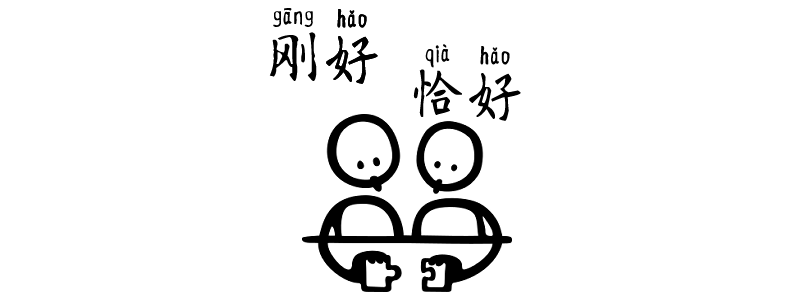
Just Right – 刚好 gānghǎo and 恰好 qiàhǎo
Grammar Point:In Chinese, both 剛刚好 gānghǎo and 恰好 qiàhǎo can mean “just right” or “happened to”, but they aren’t always interchangeable. The key difference lies in their tone, formality, and usage. Structure S + 剛刚好 gānghǎo + Verb Phrase 剛刚好 gānghǎo is more common in everyday conversation. It has a casual and natural tone, similar to saying “just right” or “just happened to” in a…
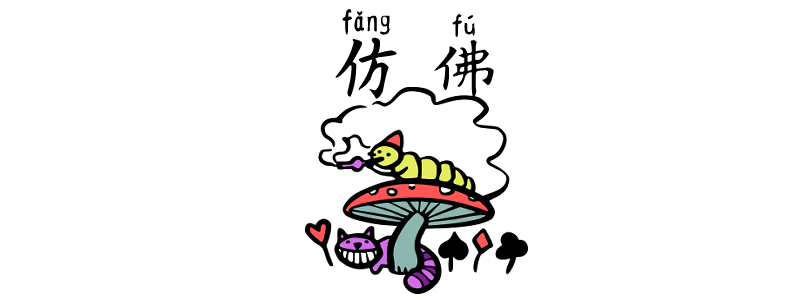
“As if” in Chinese – 仿佛 fǎngfú
Grammar Point:彷彿仿佛 fǎngfú is an adverb in Chinese that expresses similarity or resemblance. It’s used to describe something that appears or feels a certain way but may not actually be that way in reality. Structure S + 彷彿仿佛 fǎngfú + something else 彷彿仿佛 fǎngfú is often used when you describe feelings, appearances, or impressions, rather…
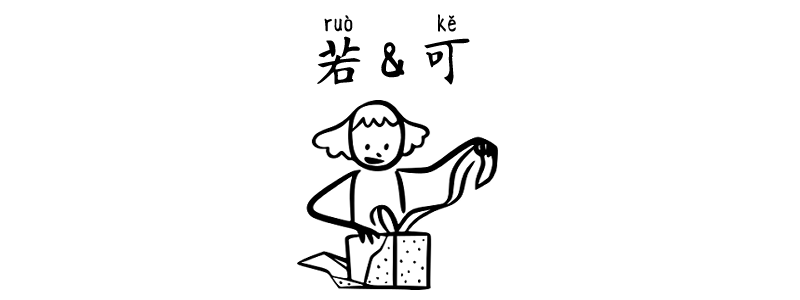
“If” and “but” – 若 ruò and 可 kě
Grammar Point:When reading or listening to Chinese, you might notice that sometimes very short words are used instead of the full forms of “if” and “but.” Two common examples are 若 ruò for “if” and 可 kě for “but.” They come from literary Chinese and add either a formal touch or a strong, punchy feeling depending on the context….
Indicate effect with 而 ér
Grammar Point:The structure 因為为 yīnwèi… 而 ér… is commonly used in Chinese to express a cause and effect relationship. This structure clearly delineates the reason for a certain outcome or situation. Structure S + 因(為为) yīn(wèi) + Cause + 而 ér + Result Using 而 ér instead of 所以 suǒyǐ adds a formal tone to your sentences. It’s…
News Practice – China implements Anti-Spy Law, foreign direct investment plunges over 70%
Click here to modify ↘️ the characters and pinyin 自由財經 編譯盧永山/綜合報導2023/08/09 12:09The original article is here This is the slow version. If you want to listen to the regular broadcasting speed, please adjust to 1.5 speed on the side. 中國Zhōngguó實施shíshī反fǎn間諜jiàndié法fǎ外國wàiguó直接zhíjiē投資tóuzī金額jīn’é暴跌bàodié逾yú7 成chéng中国Zhōngguó实施shíshī反fǎn间谍jiàndié法fǎ外国wàiguó直接zhíjiē投资tóuzī金额jīn’é暴跌bàodiē逾yú7 成chéng 中國Zhōngguó7 月份yuèfèn的de進出口jìnchūkǒu數據shùjù再次zàicì下降xiàjiàng, 再zài加上jiāshàng國內guónèi消費xiāofèi疲軟píruǎn, 製造業zhìzàoyè活動huódòng持續chíxù萎縮wěisuō, 房地產fángdìchǎn市場shìchǎng停滯tíngzhì不前bùqián, 甚至shènzhì外國wàiguó資本zīběn也yě對duì中國Zhōngguó失去shīqù興趣xìngqù, 經濟jīngjì前景qiánjǐng令人lìngrén擔憂dānyōu。 根據gēnjù自由亞洲zìyóuyàzhōu電台diàntái的de報導bàodǎo, 中國Zhōngguó國家guójiā外匯wàihuì管理局guǎnlǐjú(SAFE) 發布fābù的de最zuì新xīn數據shùjù顯示xiǎnshì, 今年jīnnián第二dìèr季度jìdù外國wàiguó直接zhíjiē投資tóuzī(FDI) 大幅dàfú減少jiǎnshǎo。 分析人士fēnxīrénshì認為rènwèi,…
Newspaper Formal Words
Here are some examples of Chinese informal words and their corresponding formal counterparts, commonly used in newspapers: A~G English Informal Word Formal Word absolutely not 肯定不 kěndìng bù 决非 juéfēi according to 按照 ànzhào 依 yī afraid to 恐怕 kǒngpà 恐 kǒng all 都 dōu 均 jūn, 皆 jiē a little bit 有點点 yǒudiǎn 稍…