TouchHover over the space to see the answers. 1. 我wǒ妹妹mèimei一yì說shuōOO 這zhè件jiàn事shì就jiù生氣shēngqì我wǒ妹妹mèimei一yì说shuōOO 这zhè件jiàn事shì就jiù生气shēngqìAns: C – My sister is angry when she talks about this matter. A. 出來chūlái出来chūlái B. 上來shànglái上来shànglái C. 起來qǐlái起来qǐlái D. 下來xiàlái下来xiàlái 2. 目前mùqián中國Zhōngguó的de人口rénkǒu比bǐ所有suǒyǒu歐洲ōuzhōu國家guójiā的de人口rénkǒu加jiāOO 還hái要yào多duō目前mùqián中国Zhōngguó的de人口rénkǒu比bǐ所有suǒyǒu欧洲ōuzhōu国家guójiā的de人口rénkǒu加jiāOO 还hái要yào多duōAns: C – China’s population is currently larger than the population of all European countries combined. A. 出來chūlái出来chūlái B. 上來shànglái上来shànglái…
Category: HSK 6
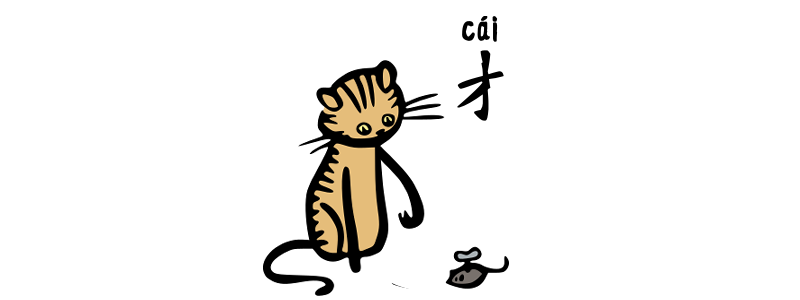
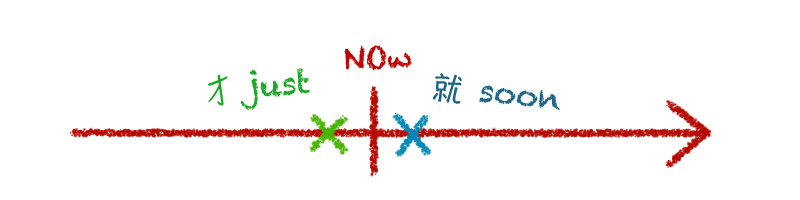
Harder – 才 cái Grammar
Grammar Point:In Chinese, 才 cái can be used to express that something happens harder than expected. It is often used to emphasize the delay or the unexpectedness of a certain event or situation. Structure Unexpected statement + 才 cái + result 我wǒ學xué了le一個月yígeyuè的de西班牙文xībānyáwén了le, 才cái會huì簡單jiǎndān地de打招呼dǎzhāohū我wǒ学xué了le一个月yígeyuè的de西班牙文xībānyáwén了le, 才cái会huì简单jiǎndān地de打招呼dǎzhāohūI’ve been learning Spanish for a month now, and I can only…
才 cái – Disagreement
Grammar Point:The word 才 cái in Chinese can be used in many ways, and one of its functions is to indicate a contrast or disagreement with a previous statement or assumption. When used in this way, 才 cái is often translated as “at all.” Structure Statement + 才 cái + Neg- A: 台灣Táiwān物價wùjià那麼nàme便宜biànyí, 你們nǐmen應該yīnggāi很hěn幸福xìngfú吧ba! A:…
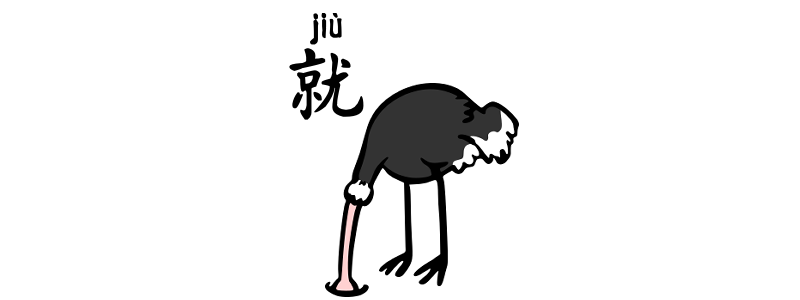
Easier 就 jiù Grammar
Grammar Point:In Chinese, 就 jiù can be used to express that something happens easier than expected. It is often used in a positive way to indicate a pleasant surprise or an unexpected result. Structure S + 就 jiù + Unexpected result It is often combined with 没想到 méixiǎngdào or 想不到 xiǎngbùdào to express the speaker’s…
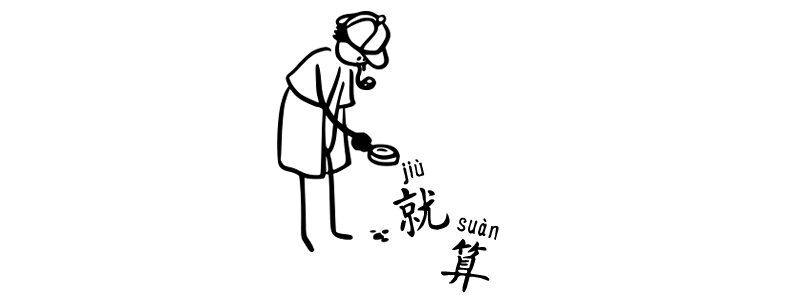
“Even If” in Chinese 4 – 就算 jiùsuàn
Grammar Point:To express “even if” in Chinese, we need to use 就算 jiùsuàn or 就是 jiùshì and usually followed by the second clause 也 yě. In this pattern, the first clause is a supposition, which is then struck down as impossible by the statement’s second clause. Structure 就算 + ···,也 + ··· It is an…
Chinese Verbs
In this article, we will discuss the features of Chinese verbs. Verbs in Chinese, like in English, can be divided into three major categories: the verb 是 shì meaning “to be,” the verb 有 yǒu meaning “to have,” and a broad set of verbs that can be loosely referred to as action verbs. * Some…
就 vs 才
就 jiù and 才 cái have many similar functions, but not the same, which confuses many Chinese learners. In this article, we are going to talk about 7 common comparisons of 就 jiù and 才 cái. 1. Time + 就/才 就 jiù 才 cái Earlier than expectedIf the action happened, you need to put 了…
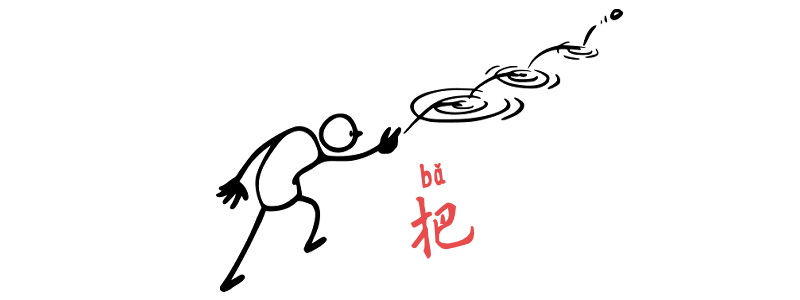
The functions of 把 bǎ 4
Grammar Point:There are 3 functions of 把 bǎ in Chinese. Determination, command, and doing a movement on something that makes a change to it. If you’re not familiar with the basic foundation of 把 structure, I suggest reading the following articles first. Structure Things + 把 + O + Verb + Something 這zhè雙shuāng鞋xié把bǎ我的wǒde腳jiǎo磨mó破pò了le这zhè双shuāng鞋xié把bǎ我的wǒde脚jiǎo磨mó破pò了leThese shoes have…
Direction Complements – Extension 3
This article focuses on the use of direction complements in figurative language, such as in English phrases like ‘clean up’, ‘calm down’, ‘figure out’, etc. If you’re unfamiliar with directional complements, I recommend reading the following links first. 📖 Basic Direction Complement📖 Compound direction complements V + 起來/起来 qǐlái 1. Bring things together 加jiā起來qǐlái加jiā起来qǐláiAdd up…
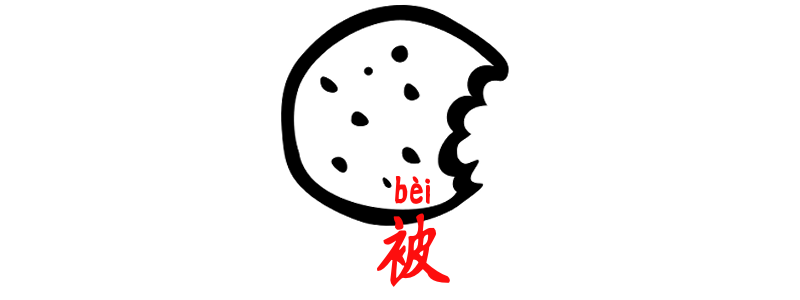
The passive sentence in Chinese 3
Grammar Point:In Mandarin Chinese, 給给 gěi can be used in passive voice constructions, either alone or together with 被 bèi. 給给 gěi is colloquial and used in spoken language, while 被 bèi is formal and suitable for written language. When to Use Passive Sentences 包包bāobāo被bèi小偷xiǎotōu偷tōu走zǒu了le包包bāobāo被bèi小偷xiǎotōu偷tōu走zǒu了leThe bag was stolen by a thief. 沒想到méixiǎngdào我wǒ被bèi老師lǎoshī誇獎kuājiǎng了le没想到méixiǎngdào我wǒ被bèi老师lǎoshī夸奖kuājiǎng了leI didn’t expect to…