Skip to content

OneDotDot Chinese

Learn a little Chinese every day

Menu
  • Pronunciation
  • Vocabulary
    • HSK 3.0 Voc
    • Topic Center
    • Professional Field
    • Food Words
    • Synonyms
    • Chinese Slang
  • Grammar
    • Foundation
    • A1 Grammar (HSK 1)
    • A2 Grammar (HSK 2)
    • B1 Grammar (HSK 3)
    • B1 Grammar (HSK 4)
    • B2 Grammar (HSK 5)
    • B2 Grammar (HSK 6)
    • C1-C2 Grammar (HSK 7-9)
  • Resources
    • Characters
    • Chinese Name
    • Conversation
    • Cooking Chinese Food
    • Story
    • Songs
    • Download
    • Chinese Festivals
  • Practice
    • Grammar
    • Reading
    • Listening
  • Shop
Menu

Category: HSK 4

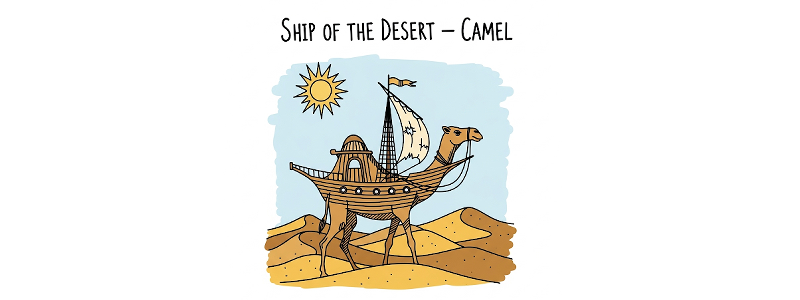
Ship of the desert — camel

HSK4 Reading Practice – Ship Of The Desert

Posted on August 26, 2025September 5, 2025 by tiffany

HSK4 Reading Practice Remember to use the menu at the top right of the article to switch between Traditional and Simplified Chinese. Vocabulary 地區dìqū地区dìqūarea, region 這個zhège地區dìqū的de人rén都dōu說shuō同一tóngyī種zhǒng語言yǔyán这个zhège地区dìqū的de人rén都dōu说shuō同一tóngyī种zhǒng语言yǔyánPeople in this region all speak the same language. 沙漠shāmò沙漠shāmòdesert 撒哈拉sāhālā是shì世界shìjiè上shàng最zuì大dà的de沙漠shāmò撒哈拉sāhālā是shì世界shìjiè上shang最zuì大dà的de沙漠shāmòThe Sahara is the largest desert in the world. 環境háijìng环境háijìngenvironment 我們wǒmen要yào一起yìqǐ保護bǎohù自然zìrán環境háijìng我们wǒmen要yào一起yìqǐ保护bǎohù自然zìrán环境háijìngWe should protect the natural environment together. 駱駝luòtuó骆驼luòtuócamel 駱駝luòtuó可以kěyǐ幾jǐ天tiān不bù喝水hēshuǐ骆驼luòtuó可以kěyǐ几jī天tiān不bù喝水hēshuǐCamels can…

Read more
Chinese Slang henjie

Chinese Slang – 很解 hěnjiě

Posted on August 19, 2025August 19, 2025 by tiffany

解 jiě Adj./ V. (Literal meaning is “untied”) This is an internet slang in Chinese. It describes the feeling when you originally had good feelings toward someone, but because of certain words or actions, your interest immediately disappears. It can also mean that the vibe becomes awkward or the mood is ruined. 他tā在zài約會yuēhuì時shí一直yìzhí炫耀xuànyào錢qián, 真的zhēnde很hěn解jiě他tā在zài约会yuēhuì时shí一直yìzhí炫耀xuànyào钱qián, 真的zhēnde很hěn解jiěHe…

Read more
lurou

Chinese Recipe – Taiwanese Braised Pork

Posted on July 26, 2025July 26, 2025 by tiffany

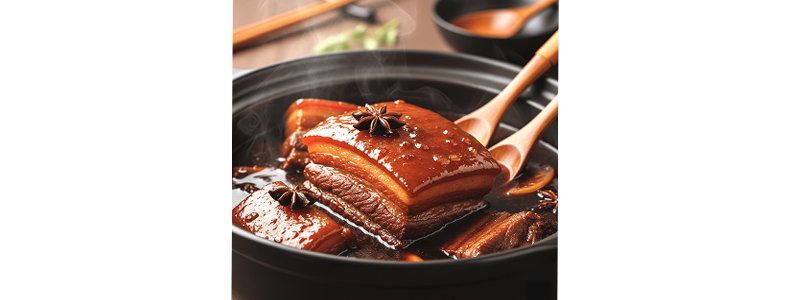
滷 肉卤 肉 lǔròu Taiwanese braised pork, or 滷肉卤肉 lǔròu, is a beloved comfort food that defines Taiwanese home cooking. This rich, savory dish features tender pork belly slowly simmered in soy sauce, rice wine, and aromatic spices until it becomes melt-in-your-mouth perfection. Traditionally served over steaming white rice as 滷肉飯卤肉饭 lǔròufàn, this iconic dish…

Read more
each other chinese

Synonym of Each other in Chinese

Posted on July 18, 2025July 27, 2025 by tiffany

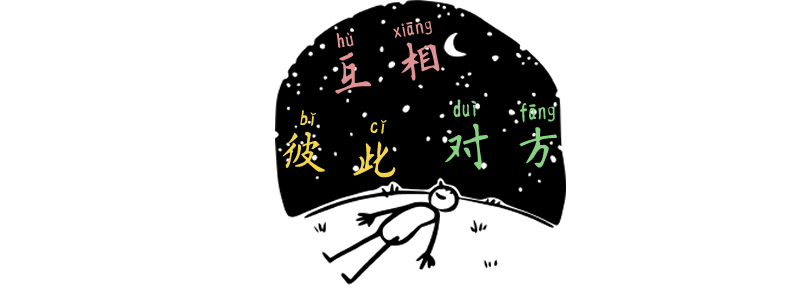
Before we start, let’s have a small quiz. Do you know which one is incorrect? A 我們wǒmen喜歡xǐhuān互相hùxiāng我们wǒmen喜欢xǐhuan互相hùxiāng B 我wǒ喜歡xǐhuān彼此bǐcǐ的de個性gexìng我wǒ喜欢xǐhuan彼此bǐcǐ的de个性gexìng C 你nǐ為wèi對方duìfāng做zuò了le什麼shénme你nǐ为wèi对方duìfāng做zuò了le什么shénme 對对方 duìfāng – the other person, the other side 📌 Actually, 對对方 duìfāng doesn’t mean “each other” at all in English, but since so many students confuse it with 彼此 bǐcǐ  and 互相 hùxiāng, I decided to include it…

Read more
老屁股 lao pigu meaning

老屁股 lǎo pìgǔ

Posted on July 16, 2025July 16, 2025 by tiffany

老屁股 lǎo pìgǔ (Taiwan only) N. (Literal meaning is “old butt”) 老屁股 lǎo pìgǔ is a casual Taiwanese slang term for someone who’s been in a company or group for a long time. It usually refers to a veteran who knows all the tricks, understands the office politics, and often knows how to slack off…

Read more
Synonym Almost Chinese chabuduo jihu

Synonym of “Almost” in Chinese

Posted on May 12, 2025May 12, 2025 by tiffany

Grammar Point:Both 差不多 chābùduōchàbuduō and 幾几乎 jīhū can mean “almost” or “nearly” in English, but they are used differently in Chinese depending on context and sentence structure. Here’s a breakdown of the differences: Differences Feature 幾几乎 jīhū 差不多 chābùduōchàbuduō Meaning Almost, nearly Almost, roughly, about Sentence position Usually comes before a verb or verb phrase Can be an adverb,…

Read more
智商税 zhìshāng shuì chinese slang

Chinese Slang – 智商税 zhìshāng shuì

Posted on April 16, 2025August 19, 2025 by tiffany

智商税 zhìshāng shuì N. (Literal meaning is “IQ tax”) 智商税 zhìshāng shuì is a slang term used online in Chinese to describe money people spend because they were gullible, uninformed, or tricked — basically, they “paid the price” for not being smart or skeptical enough. 買mǎi這zhè種zhǒng幾jǐ千qiān塊kuài的de保健bǎojiàn品pǐn根本gēnběn沒méi用yòng, 純粹chúncuì是shì在zài交jiāo智商稅zhìshāngshuì买mǎi这zhè种zhǒng几jī千qiān块kuài的de保健bǎojiàn品pǐn根本gēnběn没méi用yòng, 纯粹chúncuì是shì在zài交jiāo智商税zhìshāngshuìBuying this kind of expensive health supplement is totally useless — it’s…

Read more
Serious in Chinese

Synonym of Serious in Chinese

Posted on March 20, 2025March 20, 2025 by tiffany

Grammar Point:The words 嚴严格 yángé, 嚴肅严肃 yánsù, and 嚴严重 yánzhòng all relate to the idea of “strictness” or “seriousness,” but they have different meanings and usage contexts. 嚴严格 yángé – Strict, Rigorous Emphasizes strictness in rules, standards, or requirements. It is often used to describe regulations, discipline, or people’s approach to rules. 他tā對duì自己zìjǐ的de要求yāoqiú非常fēicháng嚴格yángé他tā对duì自己zìjǐ的de要求yāoqiú非常fēicháng严格yángéHe has strict standards for himself. 老師lǎoshī總是zǒngshì很hěn嚴格yángé地de檢查jiǎnchá我wǒ的de作業zuòyè老师lǎoshī总是zǒngshì很hěn严格yángé地de检查jiǎnchá我wǒ的de作业zuòyèThe…

Read more
著 着 zhe grammar Ongoing action Aspect Particle

“Verbing away” with 著 着 zhe

Posted on March 16, 2025March 16, 2025 by tiffany

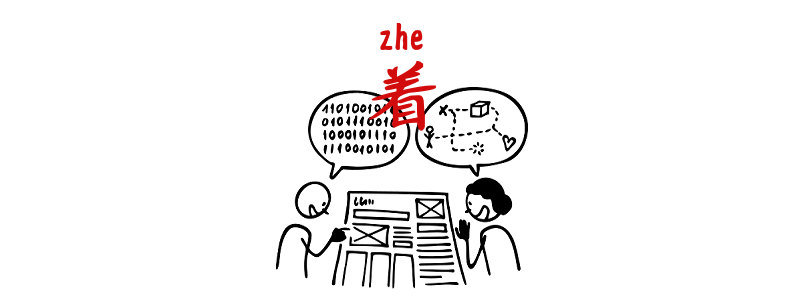
Grammar Point:A repeated verb followed by the particle 著着 zhe indicates that an action has been ongoing for a period of time, leading to a new situation that the speaker wants to comment on. Verb1 + 著着 zhe + Verb2 It is used to indicate two actions happening at the same time, with the first action being…

Read more
A bit too in Chinese ledian

“A bit too” in Chinese – Adj le diǎn

Posted on January 26, 2025January 26, 2025 by tiffany

Grammar Point:The structure Adj + 了點点 le diǎn is used in Chinese to express that something is “a bit too” or “slightly excessive” in terms of a particular quality or condition. It often conveys mild dissatisfaction, criticism, or concern. Structure Adj + 了點点(儿) le diǎndiǎn(r) It implies that the adjective describes something slightly beyond what is ideal…

Read more

Posts pagination

  • 1
  • 2
  • 3
  • 4
  • …
  • 12
  • Next

📗 Contemporary Chinese
➤ Book 1
➤ Book 2
➤ Book 3
➤ Book 4

  • LinkedIn
  • Instagram
線上課程
One-on-one online teaching platform
線上課程

OneDotDot Chinese

Whenever I ask foreigners, "Do you speak Chinese?" they often reply, "a little bit" (yì diǎn diǎn). That inspired me to create this website and translate "yì diǎn diǎn" into the quirky and fun "One Dot Dot."

It’s also a reminder that learning Chinese is a journey, and progress happens one step at a time. By learning just a little bit every day, you’ll go far!

  About me
  Special Thanks
  News
  My Students Only
  Privacy Policy

© 2026 OneDotDot Chinese | Powered by Superbs Personal Blog theme