Zhishang Shui
名词 NOUN
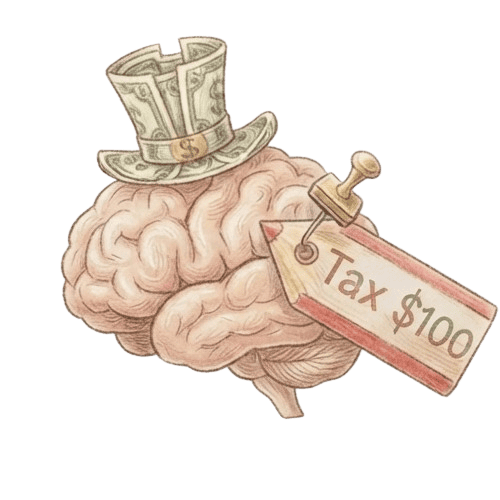
Literally meaning “IQ tax,” this internet slang describes money you waste on things that turn out to be useless, scams, or massive overcharges, as if you are paying a financial penalty for a temporary lack of judgment or skepticism.
It is commonly used when people fall for flashy online advertisements, overpriced trendy items, or ineffective health products.
例句
对话
辨析
People often confuse different ways to talk about bad financial choices or scams. Here is how they compare:
| Term | What it actually means | Tone |
|---|---|---|
| 智商税zhìshāng shuì | Money wasted on useless, overpriced, or scammy products due to gullibility | Humorous, satirical internet slang |
| 盘子pánzi | A pushover or easy target who gets overcharged or ripped off (Taiwan slang) | Colloquial, casual teasing |
| 肥羊féiyáng | A wealthy or gullible target exploited by merchants or scammers | Vivid, descriptive slang |
| 当冤大头dāng yuāndàtóu | Being ripped off or tricked into paying too much money or taking the blame | Colloquial, everyday expression |
| 受骗上当shòupiàn shàngdàng | Falling for a scam or being defrauded | General, descriptive |
The quick test: 智商税 mocks buying useless things because of marketing, 盘子 and 肥羊 describe the person being easily overcharged, 当冤大头 is about being ripped off, and 受骗上当 refers to formal scams.
快闪卡
Tap a card to flip it.
跨语言
The concept of paying a metaphorical tax or penalty for being gullible exists across cultures.
Falling for such an obvious scam means you paid a heavy pushover tax.
I feel like I had to pay the information-weakness tax.

