Grammar Point:In Chinese, 以及 yǐjí and 並并 bìng can be translated as “and,” but they link to slightly different elements. 以及 yǐjí This is a more formal way to express “and,” often used in written or formal contexts. It is used to connect two or more noun phrases. It is also possible to drop 以…
Category: HSK 4
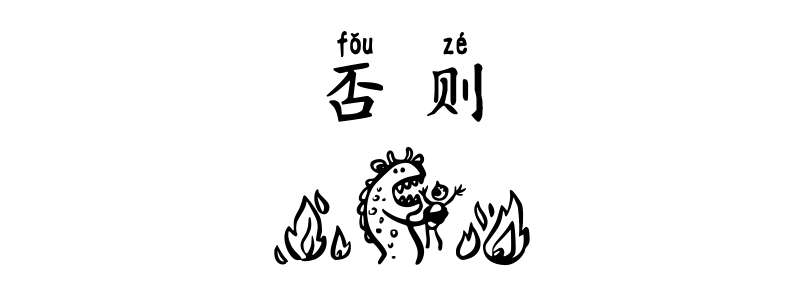
“Otherwise” in Chinese – fǒuzé
Grammar Point:The Chinese word 否則则 fǒuzé means “otherwise.” Unlike 要不然 yàoburán, it carries a slight sense of threat or warning, as it implies that if a certain action is not taken or condition is not met, there will be consequences. Structure Condition + fǒuzé + Result 你nǐ先xiān做zuò完wán作業zuòyè,否則fǒuzé別bié想xiǎng看kàn電視diànshì你nǐ先xiān做zuò完wán作业zuòyè,否则fǒuzé别bié想xiǎng看kàn电视diànshìFinish your homework first, otherwise, forget about watching TV….
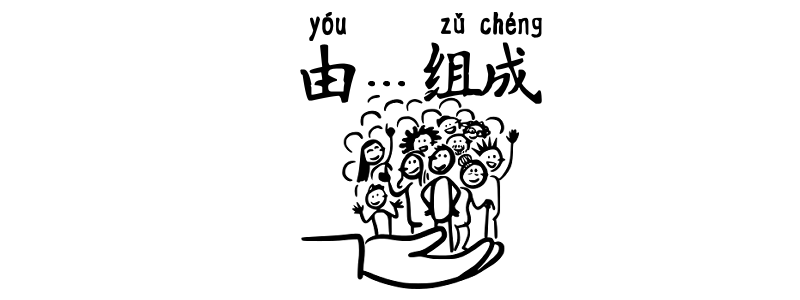
Chinese “consists of” – 由 yóu…组成 zǔchéng
Grammar Point:The Chinese phrase 由…組组成 yóu…zǔchéng is used to describe the composition or make-up of something. Structure S + yóu + Something + zǔchéng The 是 shì …的 de structure can be added to emphasize the composition or make-up of something in this grammar. 這zhè本běn書shū由yóu五wǔ個ge部分bùfèn組成zǔchéng这zhè本běn书shū由yóu五wǔ个ge部分bùfen组成zǔchéngThis book is composed of five parts. 這zhè個ge詞cí是shì由yóu兩liǎng個ge字zì組成zǔchéng的de这zhè个ge词cí是shì由yóu两liǎng个ge字zì组成zǔchéng的deThis word consists of…
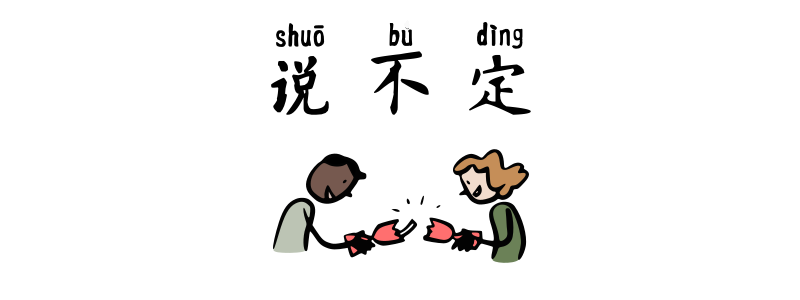
“Maybe” in Chinese – shuōbudìng
Grammar Point:說说不定 shuōbudìng is an idiom in Chinese that means “perhaps” or “maybe.” It is used to indicate uncertainty or possibility. Structure shuōbudìng + V 說不定shuōbudìng他們tāmen已經yǐjīng到dào了le说不定shuōbudìng他们tāmen已经yǐjīng到dào了leMaybe they have arrived. 明天míngtiān說不定shuōbudìng會huì下雨xiàyǔ,你nǐ最好zuìhǎo想xiǎng一個yíge備案bèiàn明天míngtiān说不定shuōbudìng会huì下雨xiàyǔ,你nǐ最好zuìhǎo想xiǎng一个yíge备案bèiànIt might rain tomorrow, so you’d better have a backup plan. 這zhè件jiàn事shì說不定shuōbudìng還hái會huì改變gǎibiàn这zhè件jiàn事shì说不定shuōbudìng还hái会huì改变gǎibiànThis matter might still change. 說不定shuōbudìng下xià個ge億萬富翁yìwànfùwēng就是jiùshì你nǐ说不定shuōbudìng下xià个ge亿万富翁yìwànfùwēng就是jiùshì你nǐYou might be the next millionaire. 晚餐wǎncān別bié等děng我wǒ, 我wǒ說不定shuōbudìng趕gǎn不bù回來huílái晚餐wǎncān别bié等děng我wǒ, 我wǒ说不定shuōbudìng赶gǎn不bù回来huíláiDon’t wait…
“As” in Chinese – zuòwéi
Grammar Point:In Chinese grammar, 作為为 zuòwéi is used as a preposition to indicate the role, function, or identity of something or someone in a particular context. It is often translated as “as” or “in the capacity of” in English. Structure Zuòwéi + Noun (character or role) 作為zuòwéi一名yìmíng老師lǎoshī, 他tā擁有yōngyǒu豐富fēngfù的de教學jiāoxué經驗jīngyàn作为zuòwéi一名yìmíng老师lǎoshī, 他tā拥有yǒngyǒu丰富fēngfù的de教学jiāoxué经验jīngyànAs a teacher, he has rich teaching…
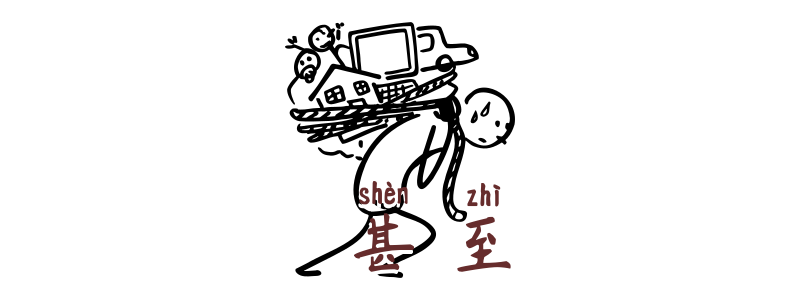
“Even” in Chinese 1 – 甚至 shènzhì
Grammar Point:The Chinese word 甚至 shènzhì means “even” or “go so far as to.” It is used to indicate that something is true to a surprising or extreme degree, often used to emphasize a point. Structure 甚至 shènzhì is commonly used together with 連连 lián…都 dōu/ 也 yě… to emphasize the extent or degree of…
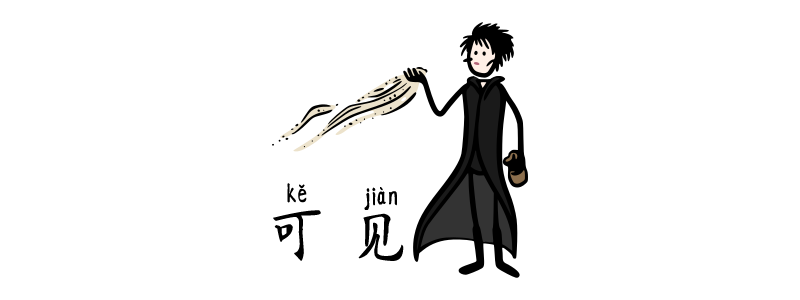
“Indicate” in Chinese – kějiàn
Grammar Point:In Chinese, the word 可見见 kějiàn is a conjunction that that can be translated as “indicate” or “means.” It is often used to summarize the meaning of a previous statement. Structure Situation + kějiàn + Conclusion 可見见 kějiàn is often used when a speaker wants to express a judgment or insight based on facts,…
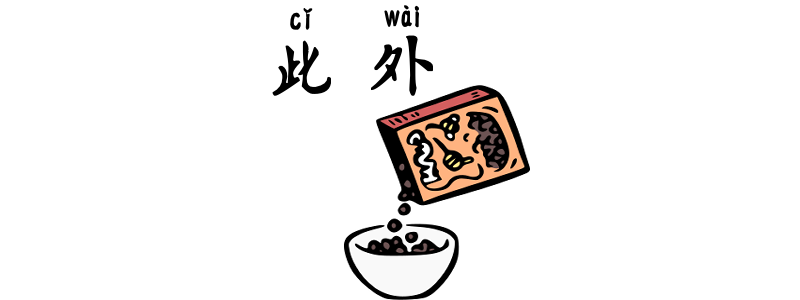
“Moreover” in Chinese 2 – cǐwài
Grammar Point:此外 cǐwài means “in addition” or “moreover” in Chinese. It is used to introduce additional information or points that are related to the topic being discussed. Structure Statement 1 + 此外 cǐwài + Statement 2 他tā很hěn聰明cōngmíng, 此外cǐwài他tā還hái很hěn努力nǔlì他tā很hěn聪明cōngming, 此外cǐwài他tā还hái很hěn努力nǔlìHe is very smart, and moreover, he is very hardworking. 我們wǒmen公司gōngsī提供tígōng免費miǎnfèi午餐wǔcān, 此外cǐwài還有háiyǒu健身房jiànshēnfáng可以kěyǐ使用shǐyòng我们wǒmen公司gōngsī提供tígōng免费miǎnfèi午餐wǔcān, 此外cǐwài还有háiyǒu健身房jiànshēnfáng可以kěyǐ使用shǐyòngOur company provides free lunch,…
Decimal, fraction, percentage, and multiple in Chinese
Here’s how Chinese expresses decimal, fraction, percentage, and multiple: Decimal 小數数 xiǎoshù: In Chinese, decimals are expressed using the same format as in English, with a decimal point. If the digits after the decimal point exceed two, we read them individually. 0.5: 零líng點diǎn五wǔ零líng点diǎn五wǔ 12.25: 十二shíèr點diǎn二èr五wǔ十二shíèr点diǎn二èr五wǔ 3.724: 三sān點diǎn七qī二èr四sì三sān点diǎn七qī二èr四sì 72.0029: 七十二qīshíèr點diǎn零líng零líng二èr九jiǔ七十二qīshíèr点diǎn零líng零líng二èr九jiǔ Fraction 分數数 fēnshù: To express fractions…
“Instead of” in Chinese – tì and dàitì
Grammar Point:In Chinese grammar, 替 tì and 代替 dàitì are prepositions used to indicate substitution or acting on behalf of someone or something. Structure Noun/Pronoun + 替 tì + Noun/Pronoun + V The nouns and pronouns here usually are human not objects. 他tā替tì我wǒ做zuò了le很hěn多duō工作gōngzuò他tā替tì我wǒ做zuò了le很hěn多duō工作gōngzuòHe did a lot of work for me. (substitution) 我wǒ替tì老闆lǎobǎn接jiē了le電話diànhuà我wǒ替tì老板lǎobǎn接jiē了le电话diànhuàI answered the phone…