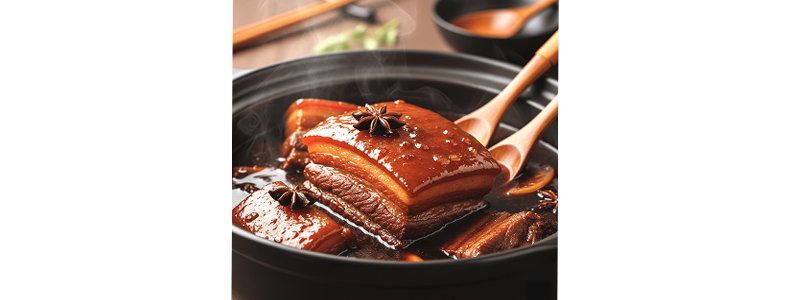
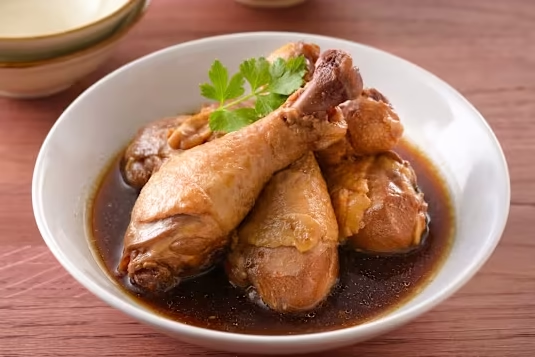
滷肉卤肉 (lǔròu) is the dish that defines Taiwanese home cooking — pork belly simmered low and slow in soy sauce, rice wine, and warm spices until it turns meltingly tender, with a glossy, deeply savory sauce built up entirely through patience rather than any single “secret” ingredient.
Spooned over a bowl of hot rice, it becomes 滷肉飯卤肉饭 (lǔròufàn) — arguably Taiwan’s most iconic comfort food, sold everywhere from night market stalls to award-winning restaurants. Every family has its own ratio of soy sauce to sugar to spice, and the braising liquid itself becomes a kind of heirloom, topped up and reused meal after meal.
Reading the name
滷卤 lǔ — to braise in a soy-based liquid; it’s a cooking method, not just this one dish, and shows up in 滷味卤味 (lǔwèi, braised snacks sold at street stalls) too. 肉肉 ròu — meat. Add 飯饭 fàn (cooked rice) and 滷肉飯卤肉饭 (lǔròufàn) literally means “braised-meat rice” — simple, but it’s the combination Taiwan is most famous for.
材料材料Ingredients
Units:
帶皮带皮五花肉五花肉
Pork belly with skin (cut into 1–1.5 cm thick slices)
600 g
薑姜
Ginger
3 slices
蒜頭蒜头
Garlic (smashed)
3–5 cloves
青蔥青葱
Scallions (tied into knots or cut into sections)
2 stalks
八角八角
Star anise
2–3 pieces
冰糖冰糖
Rock sugar (or granulated sugar)
1.5 tbsp
醬油生抽
Soy sauce
3–4 tbsp
米酒米酒
Rice wine
3 tbsp
水水
Water
just enough to cover the meat
💡 If you’re not comfortable with the taste of star anise, you can leave it out and use some white pepper instead.
🛒 You can also just go to a Chinese supermarket and buy a pre-made spice bag for braising. In that case, all you need is sugar, soy sauce, rice wine, water, and pork — though you may still need to adjust the seasoning to get the flavor just right.
🌍 Shopping outside Asia: pork belly is widely available at most butchers and grocery stores — ask for a skin-on cut if you can. Rock sugar can be swapped 1:1 for regular granulated sugar (the flavor is milder but works fine). Shaoxing rice wine is the closest substitute if plain “rice wine” isn’t available; dry sherry works in a pinch.
After 15 minutes, uncover and add the rock sugar. Cover again and continue simmering over low heat for another 30 minutes.
⏲ simmer, 30 min
6
接著接着不要不要開开蓋子盖子,關火关火繼續继续悶闷2020分鐘分钟,完成完成。
Turn off the heat but keep the lid closed. Let it sit and steam for 20 more minutes. Done!
⏳ rest off-heat, 20 min
滷肉飯卤肉饭Serving It Over Rice
1
把把滷肉卤肉切碎切碎。
Chop the braised pork into small pieces.
2
盛盛一一碗碗飯饭。
Serve a bowl of rice.
3
淋淋上上滷肉卤肉的的醬汁酱汁,再再把把切碎切碎的的滷肉卤肉放放上去上去。
Pour the braising sauce over the rice, then add the chopped pork on top.
🥚 I personally like to add a soft-fried egg, so the runny yolk mixes into the rice when I stir it all together.
加料加料Braise Add-Ins
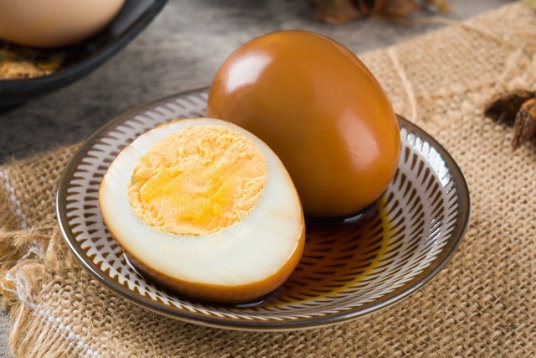
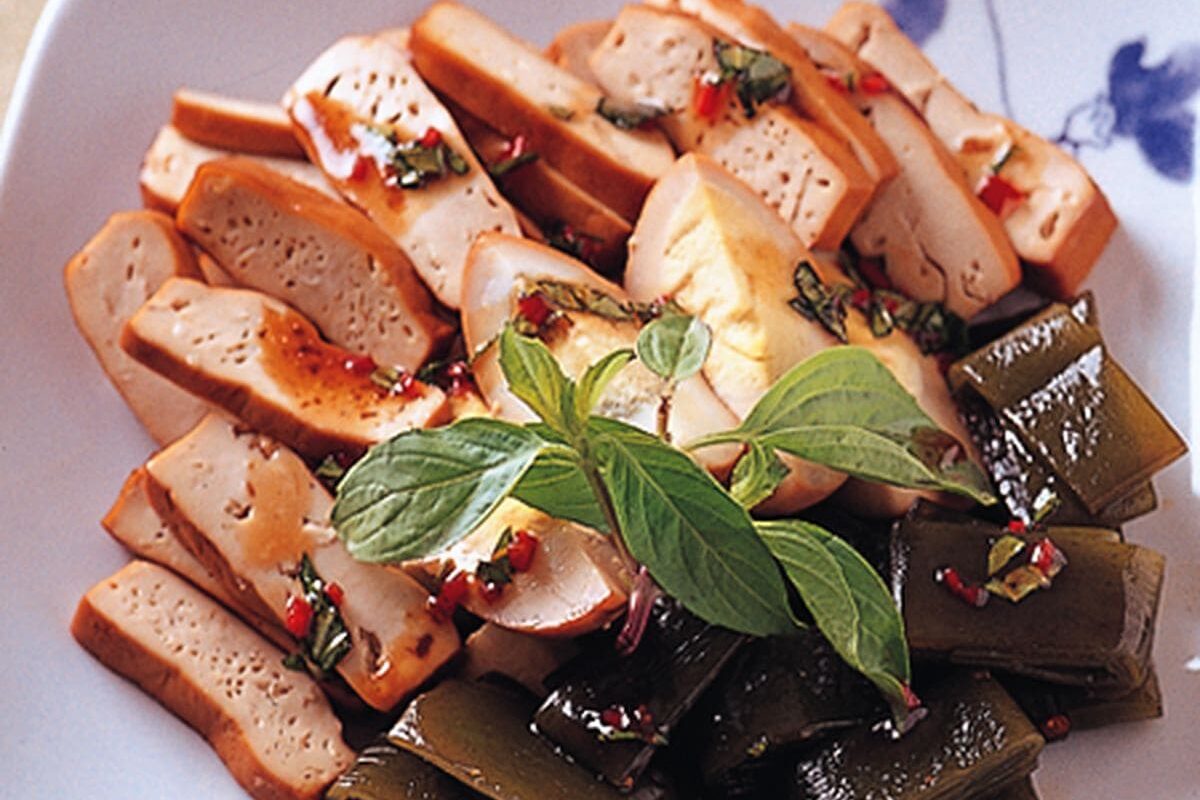
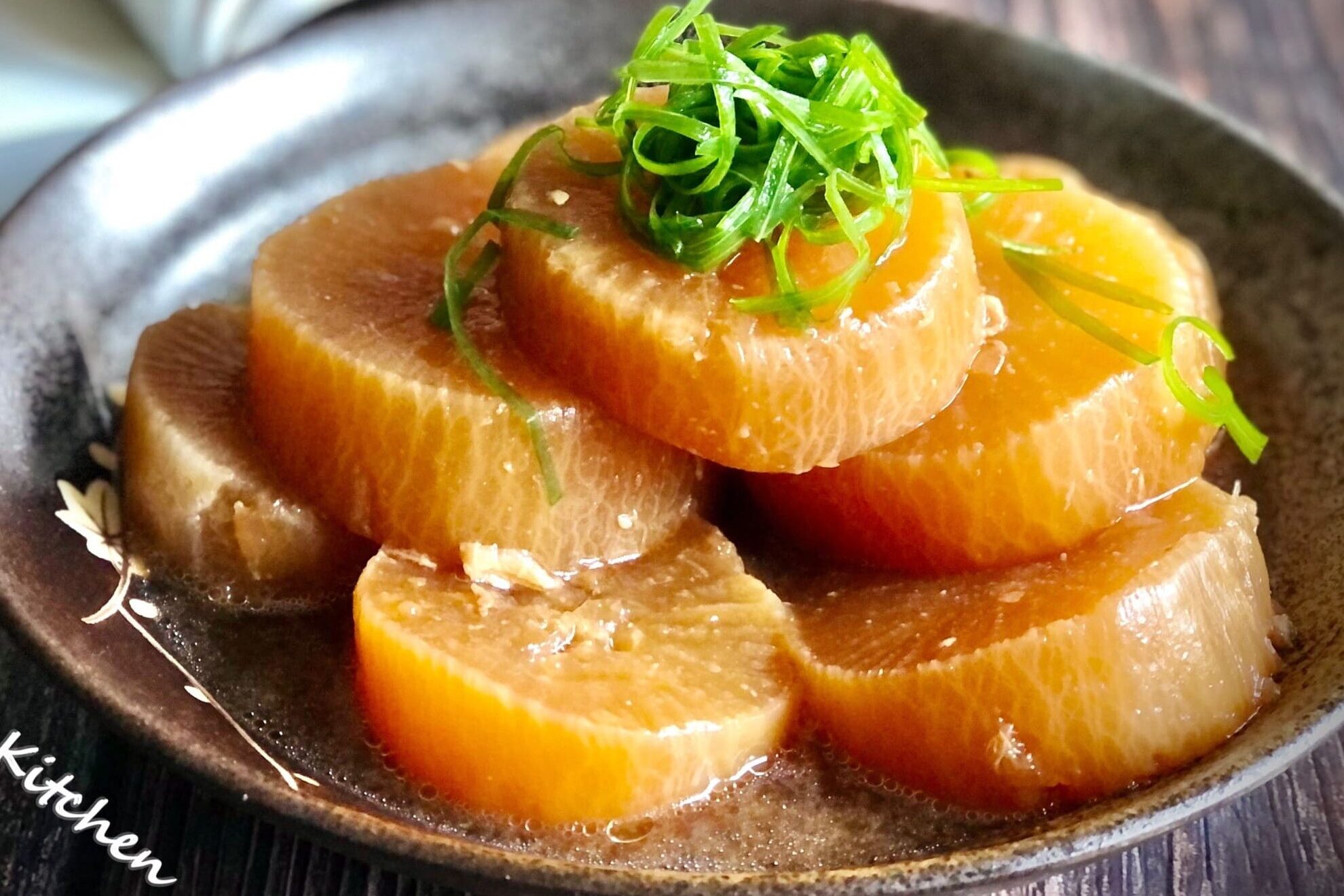
To be honest, you can pretty much add anything — even chili peppers, if you like it spicy. But in Taiwan, the most common things to braise alongside the pork are:
Yes — it’s actually better the second time, since the flavor deepens. Best used within 3–5 days: let it cool completely, strain out all the solids (scallions, ginger, garlic, spices), and store it in an airtight container in the fridge. Always bring it to a full boil before reusing to kill off any bacteria.
Yes, strained braising liquid freezes well for a few months. Thaw it in the fridge overnight and bring it to a full boil before using.
Cut back the soy sauce slightly next time, or add a splash more water partway through. For less fat, trim some of the skin/fat before searing, or skim the layer that rises to the top once it’s chilled.
Swap the pork for firm tofu, dried tofu, and mushrooms — the same aromatics and soy-based braising liquid still gives that deep umami flavor, just without the meat.