智 OneDotDot Chinese · Vocabulary Intellectual Property Vocabulary in Chinese 智慧zhìhuì財產權cáichǎnquán詞彙cíhuì知识zhīshi产权chǎnquán词汇cíhuì Essential intellectual property vocabulary in Chinese, covering the basics, copyright, patents and trademarks, and infringement and licensing — the terms that come up most often in tech, publishing, and product work. Tap the speaker icon to hear anything read aloud. 01 IP Basics Vocabulary…
Category: No category
Labor Law Chinese Vocabulary
勞 OneDotDot Chinese · Vocabulary Labor Law Vocabulary in Chinese 勞動láodòng法fǎ詞彙cíhuì劳动láodòng法fǎ词汇cíhuì Essential labor law vocabulary in Chinese, covering employment basics, wages and hours, termination and severance, and leave and disputes — the terms that come up most often in employment contracts, HR policies, and workplace disputes. Tap the speaker icon to hear anything read aloud….
Mandarin Travel Phrases
Getting Around · Mandarin Travel Phrases MANDARIN TRAVEL PHRASES · SCENE 02 BOARDING PASS TO MANDARIN Getting Around 交通jiāotōng交通jiāotōng Hailing a taxi, riding the metro, and asking for directions — the phrases that get you from the airport to your hotel, and everywhere after. Taxi Metro Directions Region Taiwan China Pinyin Show Hide Translation Eng…
Traditional Chinese Medicine
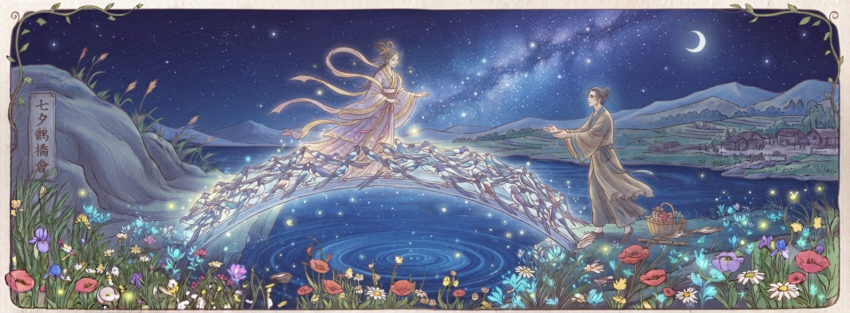
Qixi Festival – 七夕
Qixi Festival — OneDotDot Chinese Chinese Festivals · 中國節日中国节日 Qixi Festival 七夕七夕 qīxìqīxī 七夕七夕 qīxìqīxī falls on the seventh day of the seventh lunar month. It’s the one night a year when two star-crossed lovers are said to cross the Milky Way and reunite. A festival of stars What is 七夕七夕? You’ll see it called…
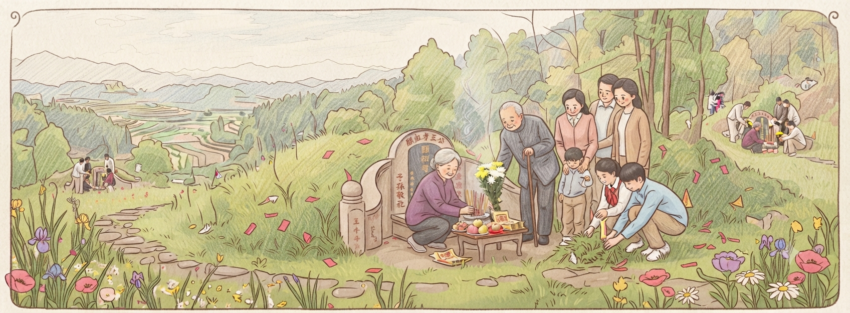
Tomb-Sweeping Day – qīngmíngjié
Tomb-Sweeping Day — OneDotDot Chinese Chinese Festivals · 中國節日中国节日 Tomb-Sweeping Day 清明節清明节 qīngmíngjié 清明節清明节 qīngmíngjié falls in early April, when families visit their ancestors’ graves to clean, weed, and pay respects — one of the few Chinese festivals set by the sun rather than the moon. One of the 24 solar terms What is 清明節清明节?…

To be B in A – 對 duì A 有 yǒu
Grammar Point:This pattern is used to describe how something affects someone or something. It is very common with nouns like interest, help, benefit, influence, importance, confidence, etc. Structure A 對对 duì B + 有 yǒu + N Think of 對对 duì + A as “toward / regarding A”, and 有 yǒu + noun as “has (a certain quality or effect).” Together, they describe the…
HSK3.0 What You Need to Know
In 2021, the Chinese Testing Center announced there would be a new version of the HSK test, HSK 3.0., which includes 9 new levels instead of the 6 existing ones, a full revamp of the content in each level, and a whopping addition of 3,000 words to learn. What is new in HSK3.0? The new…
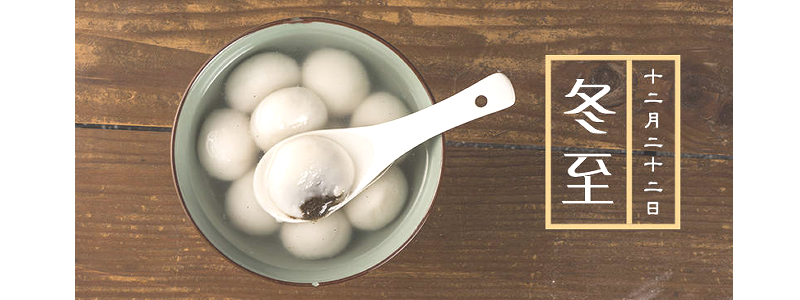
Winter Solstice – 冬至 dōngzhì
Winter Solstice — OneDotDot Chinese Chinese Festivals · 中國節日中国节日 Winter Solstice 冬至冬至 dōngzhì 冬至冬至 dōngzhì is one of the most important seasonal markers in Chinese culture. It usually falls around December 21st to 23rd, marking the shortest day and longest night of the year. A day fixed by the sun What is 冬至冬至 dōngzhì? From…

Degree Complements – 得很, 極了, 得不得了
What is a Degree Complement? A degree complement tells how strong or to what extent something is. It answers questions like: “How hot?” “How happy?” “How busy?” In Chinese, degree complements usually come after adjectives or stative verbs (verbs that describe a state, like 忙 máng busy, 累 lèi tired, or 喜歡欢 xǐhuān like). 得很 de hěn — very / quite Used to show a normal or medium level of something….