Skip to content

OneDotDot Chinese

Learn a little Chinese every day

Menu
  • Pronunciation
  • Vocabulary
    • HSK 3.0 Voc
    • Topic Center
    • Professional Field
    • Food Words
    • Synonyms
    • Chinese Slang
  • Grammar
    • Foundation
    • A1 Grammar (HSK 1)
    • A2 Grammar (HSK 2)
    • B1 Grammar (HSK 3)
    • B1 Grammar (HSK 4)
    • B2 Grammar (HSK 5)
    • B2 Grammar (HSK 6)
    • C1-C2 Grammar (HSK 7-9)
  • Resources
    • Characters
    • Chinese Name
    • Conversation
    • Cooking Chinese Food
    • Story
    • Songs
    • Download
    • Chinese Festivals
  • Practice
    • Grammar
    • Reading
    • Listening
  • Shop
Menu

Category: No category

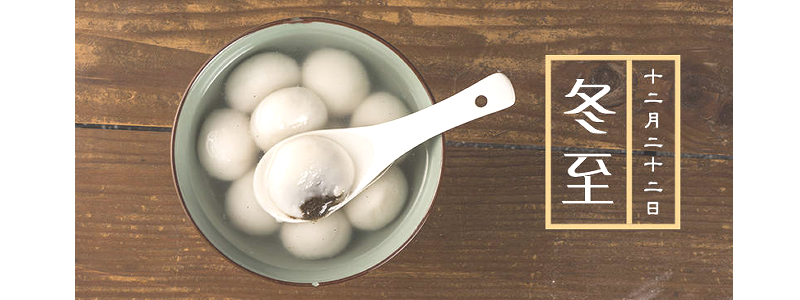
冬至 Winter Solstice

Winter Solstice – 冬至 dōngzhì

Posted on December 30, 2025December 30, 2025 by tiffany

Dongzhi 冬至dōngzhì冬至dōngzhì是shì華人huárén文化wénhuà中zhōng一個yíge很hěn重要zhòngyào的de日子rìzi,通常tōngcháng在zài是shì华人huárén文化wénhuà中zhōng一个yíge很hěn重要zhòngyào的de日子rìzi,通常tōngcháng在zài12月yuè21日rì到dào23日rì之間zhījiān12月yuè21日rì到dào23日rì之间zhījiān。這zhè一yì天tiān是shì一年yìnián中zhōng。这zhè一yì天tiān是shì一年yìnián中zhōng白天báitiān最zuì短duǎn、晚上wǎnshàng最zuì長cháng白天báitiān最zuì短duǎn、 晚上wǎnshang最zuì长cháng的de一天yìtiān。從cóng冬至dōngzhì開始kāishǐ,白天báitiān會huì一天yìtiān一天yìtiān變biàn長cháng,代表dàibiǎo的de一天yìtiān。从cóng冬至dōngzhì开始kāishǐ,白天báitiān会huì一天yìtiān一天yìtiān变biàn长cháng,代表dàibiǎo新xīn的de開始kāishǐ和hé希望xīwàng新xīn的de开始kāishǐ和hé希望xīwàng。。 The Winter Solstice, known as Dongzhi 冬至, is one of the most important seasonal festivals in Chinese culture. It usually falls around December 21–23, marking the shortest day and longest night of the year. From this day on, daylight gradually becomes longer, symbolizing renewal, balance, and hope. In China 在zài在zài中國Zhōngguó中国Zhōngguó,人們rénmen覺得juéde冬至dōngzhì是shì一個yíge天氣tiānqì開始kāishǐ慢慢mànmàn變biàn暖nuǎn的de重要zhòngyào時間shíjiān。很hěn多duō家庭jiātíng會huì在zài這zhè一天yìtiān一起yìqǐ吃飯chīfàn,吃chī一些yìxiē可以kěyǐ讓ràng身體shēntǐ變biàn暖nuǎn的de食物shíwù。南方nánfāng的de人rén常cháng吃chī,人们rénmen觉得juéde冬至dōngzhì是shì一个yíge天气tiānqì开始kāishǐ慢慢mànmàn变biàn暖nuǎn的de重要zhòngyào时间shíjiān。很hěn多duō家庭jiātíng会huì在zài这zhè一天yìtiān一起yìqǐ吃饭chīfàn,吃chī一些yìxiē可以kěyǐ让ràng身体shēntǐ变biàn暖nuǎn的de食物shíwù。南方nánfāng的de人rén常cháng吃chī湯圓tāngyuán汤圆tāngyuán,北方běifāng的de人rén則zé常cháng吃chī,北方běifāng的de人rén则zé常cháng吃chī餃子jiǎozi饺子jiǎozi。大家dàjiā相信xiāngxìn,吃chī了le這些zhèxiē食物shíwù,冬天dōngtiān會huì比較bǐjiào不bù容易róngyì生病shēngbìng。。大家dàjiā相信xiāngxìn,吃chī了le这些zhèxiē食物shíwù,冬天dōngtiān会huì比较bǐjiào不bù容易róngyì生病shēngbìng。 In China, Dongzhi has traditionally been seen as a time…
Read more
degree complement in Chinese

Degree Complements – 得很, 極了, 得不得了

Posted on November 13, 2025November 13, 2025 by tiffany

What is a Degree Complement? A degree complement tells how strong or to what extent something is. It answers questions like: “How hot?” “How happy?” “How busy?” In Chinese, degree complements usually come after adjectives or stative verbs (verbs that describe a state, like 忙 máng busy, 累 lèi tired, or 喜歡欢 xǐhuān like). 得很 de hěn — very / quite Used to show a normal or medium level of something….

Read more
Contemporary Chinese Book 2

B2 L3 Vocabulary and Practice

Posted on September 19, 2025September 19, 2025 by tiffany

There’s a small menu in the bottom right corner where you can choose how you want to review. Options include:

Read more
In order to in Chinese - 为了 wèile

In order to – 為了 wèile

Posted on August 9, 2025August 9, 2025 by tiffany

Grammar Point:“In order to” translates into Chinese as 為为了 wèile. It is a preposition used to indicate the purpose of an action or the intention or goal behind an action. Structure 為为了 + aim/goal, do sth. 為了wèile學xué中文zhōngwén, 我wǒ決定juédìng去qù台灣Táiwān为了wèile学xué中文zhōngwén, 我wǒ决定juédìng去qù台湾TáiwānIn order to learn Chinese, I decided to go to Taiwan. 我wǒ為了wèile減肥jiǎnféi, 開始kāishǐ運動yùndòng我wǒ为了wèile减肥jiǎnféi, 开始kāishǐ运动yùndòngI started to exercise…

Read more
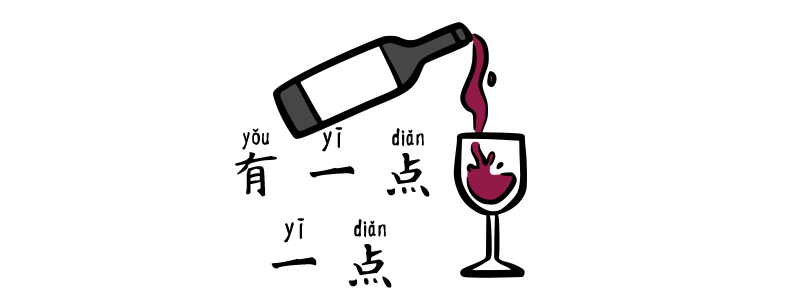
有一点 and 一点 yǒuyìdiǎn yìdiǎn a little bit

A little bit – 有一点 yǒu yìdiǎn & 一点 yìdiǎn

Posted on January 25, 2025January 26, 2025 by tiffany

Grammar Point:Both 有一點点 yǒuyīdiǎn and 一點点 yìdiǎn convey the notion of ‘a little’ or ‘a bit,’ but with slight nuances. In China, 有點兒点儿 yǒudiǎnr is more commonly used instead of 有一點点 yǒuyìdiǎn. Structure 有一點点 yǒuyìdiǎn + Adjective 一點点 yìdiǎn + Noun 今天jīntiān天氣tiānqì有一點yǒuyìdiǎn熱rè今天jīntiān天气tiānqì有一点yǒuyìdiǎn热rèToday’s weather is a bit hot. 我wǒ弟弟dìdi有一點yǒuyìdiǎn矮ǎi我wǒ弟弟dìdi有一点yǒuyìdiǎn矮ǎiMy younger brother is a bit short. 我wǒ覺得juéde那nà家jiā店diàn的de珍珠奶茶zhēnzhūnǎichá有一點yǒuyìdiǎn貴guì我wǒ觉得juéde那nà家jiā店diàn的de珍珠奶茶zhēnzhūnǎichá有一点yǒuyìdiǎn贵guìI…

Read more
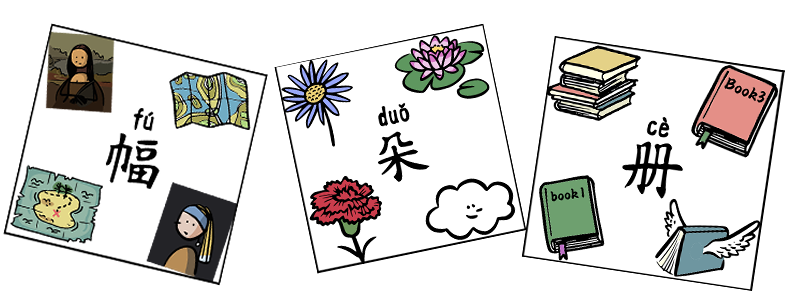
measure word 5

Chinese Measure Words 5

Posted on January 14, 2025January 14, 2025 by tiffany

Grammar Point:In this article, we are going to introduce the following Chinese measure words: 册 cè, 朵 duǒ, 幅 fú, 屆届 jiè, 顆顆 kē, 匹 pī, 扇 shàn 册 (cè) This is a measure word in Chinese used to indicate a collection of written or printed materials, such as books, albums, or bound volumes. It is commonly used when referring to…

Read more
視聽華語 Book 1

視聽華語 Book 1 Lesson 9 – 10

Posted on February 28, 2024December 24, 2024 by tiffany

Lesson 9 A:你們學校在哪裡? B:在大學路。 A:學生多不多? B:不太多,只有五、六千的學生。 A:有宿舍嗎? B:有,圖書館後面的大樓就是學生宿舍。 A:你常在學生宿舍裡看書嗎? B:不,宿舍裡人太多,我常在圖書館裡看書。 A:學校附近有書店嗎? B:有,學校外面有兩家書店,學生都喜歡在那裡買書。 A:那麼,學生看書、買書都很方便。 B:是啊。 A:請問,您這所房子要賣嗎? B:是的。 A:我可不可以看看? B:可以,可以。這是客廳。飯廳在那邊。飯廳旁邊的那間屋子是廚房。 A:樓上有幾個房間? B:樓上有四個房間,都很大。 A:附近有小學嗎? B:有,離這裡不遠。 A:在什麼地方? B:就在東一路。 A:這所房子要賣多少錢? B:九百萬。 A:這所房子不錯,可是有一點貴,我要再想一想,謝謝您。再見。 B:再見。 我父親的書房在樓下。書房裡有一些書,有中文的,也有外文的。房間當中有一張桌子,桌子旁邊有一個椅子。我父親常在這裡看書。 桌子上有筆,有杯子,還有一些小東西。椅子後面的牆上有一張很好看的畫。 現在書房裡沒有人,可是我們的小貓在桌子底下 Lesson 10 A:聽說你到日本去了 B:是啊。 A:你是為什麼去的? B:是去玩的。 A:你是一個人去的嗎? B:不是,我是跟兩個朋友一起去的。 A:你們是怎麼去的? B:我們是做飛機去的。 A:現在到日本去玩的人多不多?飛機票好買嗎? B:現在去的人不太多,飛機票不難買。 A:你們玩得怎麼樣? B:我們玩得很好。 A:你們是什麼時候回來的? B:我們是昨天晚上回來的,所以現在很累。 A:你到哪裡去? B:我到學校去。 A:你走路去啊? B:是啊。 A:為什麼不開車去呢? B:這個時候,在學校裡停車的地方不好找。 A:走路去不累嗎? B:還好。我們學校離這裡不遠。…

Read more
Approximate number chinese lái 來

Approximate number with lái

Posted on February 26, 2024February 26, 2024 by tiffany

Grammar Point:In Chinese, the word 來来 lái can be used to indicate an approximate number when paired with a quantifier or measure word. This usage implies an estimation or approximation rather than an exact count. Structure Approximate Number + lái + MW + (N) 大約dàyuē十shí來lái個ge人rén大约dàyuē十shí来lái个ge人rénAbout ten people. 他tā身高shēngāo一百yìbǎi八十bāshí來lái公分gōngfēn他tā身高shēngāo一百yìbǎi八十bāshí来lái公分gōngfēnHis height is about 180 centimeters. 我wǒ家jiā有yǒu五十wǔshí來lái本běn書shū我wǒ家jiā有yǒu五十wǔshí来lái本běn书shūThere are…

Read more
視聽華語 Book 1

視聽華語 Book 1 Lesson 7 – 8

Posted on December 5, 2023December 24, 2024 by tiffany

Lesson 7 A:文生,你在念什麼呢? B:我在念法文。 A:你的法文,念得真好聽。 B:謝謝,可是我學得很慢。 A:學法文有意思嗎? B:很有意思,可是我覺得有一點難。 A:我也想學一點法國話,你可以教我嗎? B:現在我的法國話還說得不好,不能教你。 A:你會不會唱法國歌? B:我只會唱“Frere Jacques, Frere Jacques…“ A:你唱得真好聽。 A:小張,我想請你吃飯。 B:好啊。 A:你喜歡吃中國菜還是法國菜? B:兩個我都喜歡。 A:你也喜歡喝酒嗎? B:喜歡,可是我只能喝一點。 A:好,我請你吃中國菜,喝法國酒。 B:那太好了!謝謝!謝謝! Lesson 8 A:這是你們新買的電視機嗎? B:是啊。 A:你常看電視嗎? B:常看,我最愛看王英英唱歌。 A:對啊,她唱的歌都很好聽。 B:她跳舞也跳得不錯。 A:她穿的衣服,我也喜歡。 B:聽說她還會唱不少外國歌,她的英文、法文也都說得很好。 A:我想她一定有很多外國朋友。 A:你在學中國畫嗎? B:是啊,你看,這張就是我畫的。 A:你畫的真好看。 B:謝謝。 A:教你中國畫的老師姓什麼? B:他姓錢。他是很有名的畫家。 A:噢,我知道他,他也教書法嗎? B:對,他也教我書法。 A:你為什麼要學書法? B:因為我覺得書法很美,所以我想學學。

Read more
視聽華語 Book 1

視聽華語 Book 1 Lesson 5 – 6

Posted on November 4, 2023December 24, 2024 by tiffany

Lesson 5 A:這是你爸爸媽媽的相片嗎? B:是啊。 A:你爸爸是老師嗎? B:對,他是英文老師。 A:這張呢?這是你哥哥還是你弟弟? B:是我哥哥,我沒有弟弟。 A:這兩個女孩子都是你姐姐嗎? B:不,這個是我姐姐,那個是我姐姐的朋友。 A:你家有幾個人? B:我家有五個人。 A:你們家的書真不少,這些都是你爸爸的嗎? B:有的是我爸爸的,有的不是。 王大文:爸爸,這是我朋友。 李東尼:王伯伯好。 王先生:好,大文,你這位朋友叫什麼名字? 王大文:他的中文名字叫李東尼,他的中文很好。 王先生:東尼,你是哪國人? 李東尼:我是美國人,可是我媽媽是台灣人。 Lesson 6 A:請問,先生,您要買照相機嗎? B:是啊,我的照相機太舊了,我想買一個新的。 A:您喜歡哪國貨? B:我都看看,好嗎? A:這個是德國貨,您覺得怎麼樣? B:這個太大了,我喜歡那個小的。 A:這個小的很好,是日本貨。 B:多少錢? A:五千塊。 B:太貴了,你們有便宜的沒有? A:這個美國的相機也很好,只賣一千五百塊。 B:好,我買這個。 A:你們大學有多少學生? B:有兩萬多學生。 A:有多少老師呢? B:我不知道。我想有兩千多位。 A:那真不少。 B:你們學校大不大?有多少學生? A:我們大學很小,只有七、八千學生,可是很有名。

Read more

Posts pagination

  • 1
  • 2
  • Next

📗 Contemporary Chinese
➤ Book 1
➤ Book 2
➤ Book 3
➤ Book 4

  • LinkedIn
  • Instagram
線上課程
One-on-one online teaching platform
線上課程

OneDotDot Chinese

Whenever I ask foreigners, "Do you speak Chinese?" they often reply, "a little bit" (yì diǎn diǎn). That inspired me to create this website and translate "yì diǎn diǎn" into the quirky and fun "One Dot Dot."

It’s also a reminder that learning Chinese is a journey, and progress happens one step at a time. By learning just a little bit every day, you’ll go far!

  About me
  Special Thanks
  News
  My Students Only
  Privacy Policy

© 2026 OneDotDot Chinese | Powered by Superbs Personal Blog theme