Skip to content

OneDotDot Chinese

Learn a little Chinese every day

Menu
  • Pronunciation
  • Vocabulary
    • HSK 3.0 Voc
    • Topic Center
    • Professional Field
    • Food Words
    • Synonyms
    • Chinese Slang
  • Grammar
    • Foundation
    • A1 Grammar (HSK 1)
    • A2 Grammar (HSK 2)
    • B1 Grammar (HSK 3)
    • B1 Grammar (HSK 4)
    • B2 Grammar (HSK 5)
    • B2 Grammar (HSK 6)
    • C1-C2 Grammar (HSK 7-9)
  • Resources
    • Characters
    • Chinese Name
    • Conversation
    • Cooking Chinese Food
    • Story
    • Songs
    • Download
    • Chinese Festivals
  • Practice
    • Grammar
    • Reading
    • Listening
  • Shop
Menu

Category: HSK 7~9

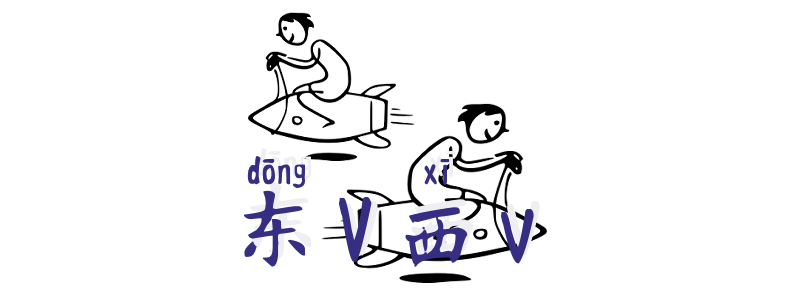
東/东 V 西 V Grammar

東/东 V 西 V Grammar

Posted on January 20, 2023January 21, 2023 by tiffany

The grammar of 東/东 V 西 V has 3 different meanings, depending on whether the order and two verbs you use are the same or not. And notice that all the verbs must be one-syllable verbs. Structure 東/东 + V + 西 + V This structure can be used if want to say you are…
Read more
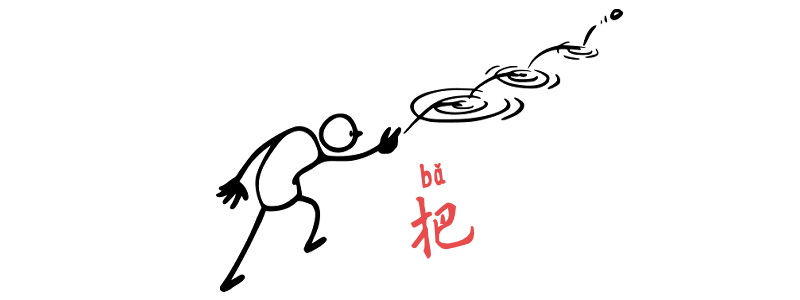
The function of 把 ba in Chinese

The functions of 把 bǎ 5 (Advanced)

Posted on January 16, 2023July 11, 2025 by tiffany

Grammar Point:There are 3 functions of 把 bǎ in Chinese. Determination, command, and doing a movement on something that makes a change to it. If you’re not familiar with the basic foundation of 把 structure, I suggest reading the following articles first. Structure (S) + 把 + O + Verb + 了 This structure may…

Read more
chinese verbs

Chinese Verbs

Posted on January 14, 2023April 16, 2024 by tiffany

In this article, we will discuss the features of Chinese verbs. Verbs in Chinese, like in English, can be divided into three major categories: the verb 是 shì meaning “to be,” the verb 有 yǒu meaning “to have,” and a broad set of verbs that can be loosely referred to as action verbs. * Some…

Read more
Passive sentence in Chiense 被

The Passive Sentence 4 (Advanced)

Posted on January 11, 2023May 21, 2023 by tiffany

If you are not familiar with how to use passive sentences in Chinese, I suggest you read the following articles first. This will help you understand the usage of advanced passive sentences. Structure S + 被 + O + 所 + V Phrase This is a highly formal expression of the passive voice, typically used…

Read more
hekuang grammar let alone

‘Let alone’ in Chinese – hékuàng

Posted on December 26, 2022November 17, 2024 by tiffany

Grammar Point:The Chinese word 何況况 hékuàng is a conjunction used to introduce a stronger reason or example after making a general statement. It’s similar to “let alone,” “not to mention,” or “much less” in English and is often used for emphasis. Structure General statement + (更 gèng) + 何況况 hékuàng + specific example This expression is common…

Read more
hebi heku grammar

Expressing ‘why bother’ with hébì and hékǔ

Posted on December 23, 2022November 18, 2024 by tiffany

Grammar Point:In Chinese, 何必 hébì and 何苦 hékǔ are rhetorical expressions often used to question unnecessary actions or efforts. While both ask “why bother,” they focus on different aspects. Structure S + 何必 + Rhetorical Question It is used to suggest that something is unnecessary or redundant. It often implies a rhetorical question, indicating that there’s no need for…

Read more
degree complement in Chinese

Degree complements 3

Posted on December 1, 2022May 31, 2023 by tiffany

Degree complements, known as 程度補語补语 chéngdù bǔyǔ, are used to intensify or modify the degree of an action, the nature of a thing, or the degree of a state that has been reached. State complements, referred to as 狀態補語状态补语 zhuàngtài bǔyǔ, describe the state that an action has reached. The usage and structures of both…

Read more
Abbreviations of Chinese Grammar Terms

Abbreviations of Chinese Grammar Terms

Posted on October 11, 2022April 14, 2023 by tiffany

WORD Taiwan China English Abbreviation Example 名詞 míngcí 名词 míngcí noun n. 水、狗 代名詞 dàimíngcí 代词 dàicí pronoun pron. 你、我 動詞 dòngcí 动词 dòngcí verb v. 跑、看 助動詞 zhùdòngcí 助动词 zhùdòngcí auxiliary verb aux. 可能、必需 形容動詞靜態動詞 jìngtài dòngcíxíngróngdòngcí 形容词 xíngróngcí adjectivestative verbs adj.sv 高、胖、美 副詞 fùcí 副词 fùcí adverb adv. 非常、很 數量詞 shùliàngcí 数量词 shùliàngcí…

Read more

News Practice – The world’s largest cryptocurrency exchange was hacked and lost about 3.2 billion

Posted on October 9, 2022August 12, 2023 by tiffany

新頭殼newtalk |張柏源 綜合報導2022/10/8 Saturday A.M. 11:18The original article is here 全球最大加密貨幣交易所驚傳遭駭客攻擊損失約32億  根據法新社報導,世界最大的加密資產交易所幣安(Binance)7日傳出旗下BNB Chain跨鏈橋遭到駭客攻擊,執行長兼創辦人趙長鵬表示,詐欺人士從它的平台竊走了價值約1億美元的加密貨幣。他為此向投資人道歉並稱已追回部分資金。 趙長鵬在推特發文提到,由於系統中的安全漏洞遭到駭客利用攻擊,導致幣安專有的加密貨幣額外產出。他說:「目前所受影響估計約為1億美元。」並寫道:「這個問題目前已得到控制。你們的資金很安全。我們對於所造成的不便感到抱歉,並將繼續提供最新進一步消息。」 儘管與今年3月人氣區塊鏈遊戲Axie Infinity價值5億多美元的加密貨幣竊案相比,幣安這次事件不算什麼,但仍名列幣圈史上最大盜竊案之一。趙長鵬指出,這次竊賊利用跨鏈橋BSC Token Hub犯案,他向客戶保證這個漏洞已被修補。跨鏈橋是投資人將資產從一個區塊鏈轉移到另一個區塊鏈的工具。詐欺犯越來越常利用跨鏈橋的弱點來竊取加密資產。 幣安在社群媒體平台Reddit表示,遭竊金額在1億至1.1億美元之間,已追回700萬美元。Axie Infinity竊案以及9月加密貨幣公司Nomad被竊走近2億美元,也都與跨鏈橋漏洞有關。加密資產分析公司Chainalysis於8月指出,今年來跨鏈橋漏洞攻擊已造成約20億美元遭竊。 全球最大加密货币交易所惊传遭骇客攻击损失约32亿 根据法新社报导,世界最大的加密资产交易所币安(Binance)7日传出旗下BNB Chain跨链桥遭到骇客攻击,执行长兼创办人赵长鹏表示,诈欺人士从它的平台窃走了价值约1亿美元的加密货币。他为此向投资人道歉并称已追回部分资金。 赵长鹏在推特发文提到,由于系统中的安全漏洞遭到骇客利用攻击,导致币安专有的加密货币额外产出。他说:「目前所受影响估计约为1亿美元。」并写道:「这个问题目前已得到控制。你们的资金很安全。我们对于所造成的不便感到抱歉,并将继续提供最新进一步消息。」 尽管与今年3月人气区块链游戏Axie Infinity价值5亿多美元的加密货币窃案相比,币安这次事件是不算什么,但仍名列币圈史上最大盗窃案之一。赵长鹏指出,这次窃贼利用跨链桥BSC Token Hub犯案,他向客户保证这个漏洞已被修补。跨链桥是投资人将资产从一个区块链转移到另一个区块链的工具。诈欺犯越来越常利用跨链桥的弱点来窃取加密资产。 币安在社群媒体平台Reddit表示,遭窃金额在1亿至1.1亿美元之间,已追回700万美元。 Axie Infinity窃案以及9月加密货币公司Nomad被窃走近2亿美元,也都与跨链桥漏洞有关。加密资产分析公司Chainalysis于8月指出,今年来跨链桥漏洞攻击已造成约20亿美元遭窃。 Key Words

Read more
Chinese measure word

Chinese Measure Words

Posted on October 7, 2022April 13, 2023 by tiffany

What is Measure Word A group of birds, a herd of cows. Similar to English, Chinese also uses measure words. However, Chinese uses them much more frequently than English. In English, you can say “There is a flock of birds” or “There are five birds.” In Chinese, we always need to use the specific measure…

Read more

Posts pagination

  • Previous
  • 1
  • 2
  • 3
  • 4
  • Next

📗 Contemporary Chinese
➤ Book 1
➤ Book 2
➤ Book 3
➤ Book 4

  • LinkedIn
  • Instagram
線上課程
One-on-one online teaching platform
線上課程

OneDotDot Chinese

Whenever I ask foreigners, "Do you speak Chinese?" they often reply, "a little bit" (yì diǎn diǎn). That inspired me to create this website and translate "yì diǎn diǎn" into the quirky and fun "One Dot Dot."

It’s also a reminder that learning Chinese is a journey, and progress happens one step at a time. By learning just a little bit every day, you’ll go far!

  About me
  Special Thanks
  News
  My Students Only
  Privacy Policy

© 2026 OneDotDot Chinese | Powered by Superbs Personal Blog theme