Story · HSK 7+ · Part 4 美 Medusa’s Annoyance — Part 4 美杜莎(四)美杜莎(四) Posted April 4, 2023 Author Tiffany Reading time 5 mins “Medusa’s annoyance” is a story for HSK7+ learners. Stories I share are some Chinese folk tales, and some are my own creations. Listen to the Complete Story Story Story Part 1…
Category: HSK 7~9
Medusa’s Annoyance Part 3
Story · HSK 7+ · Part 3 美 Medusa’s Annoyance — Part 3 美杜莎(三)美杜莎(三) Posted April 3, 2023 Author Tiffany Reading time 6 mins “Medusa’s annoyance” is a story for HSK7+ learners. Stories I share are some Chinese folk tales, and some are my own creations. Listen to the Complete Story Story Story Part 1…
Medusa’s Annoyance Part 2
Story · HSK 7+ · Part 2 美 Medusa’s Annoyance — Part 2 美杜莎(二)美杜莎(二) Posted April 2, 2023 Author Tiffany Reading time 7 mins “Medusa’s annoyance” is a story for HSK7+ learners. Stories I share are some Chinese folk tales, and some are my own creations. Listen to the Complete Story Story Story Part 1…
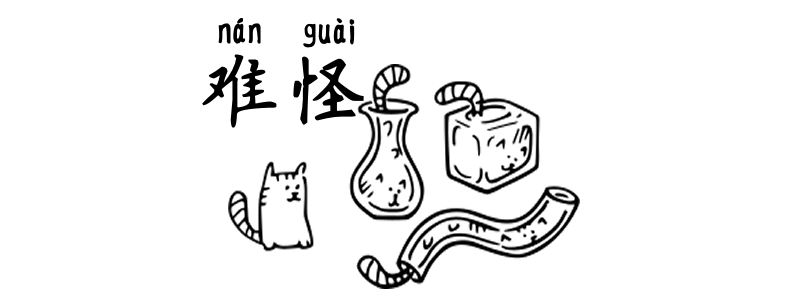
No wonder in Chinese – nánguài & guàibude
Grammar point: Both 難难怪 nánguài and 怪不得 guàibùdébude mean “no wonder” or “it’s no surprise.” It is used to express realization or understanding of why something happens, often after discovering new information or reasoning behind it. It can also convey agreement with a logical conclusion. Structure 難难怪 nánguài + Observation + 原來来 yuánlái (是 shì) + The…
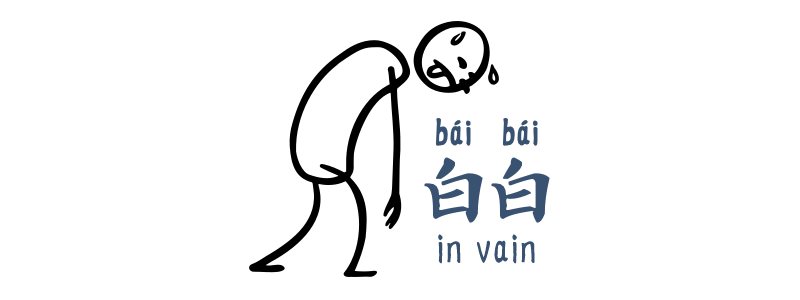
白白 báibái
Grammar Point: 白白 báibái and 白 bái basically share the same meaning. It means to do an action “in vain.” The slight difference is that 白白 báibái is more negative. It emphasizes that the action is a wasted effort. Structure 白白 + Verb + 了 As you know, Chinese prefers even syllables, so unlike 白…

偏偏 piānpiān
Grammar Point: 偏偏 piānpiān is a Chinese expression that is usually used to express a sense of frustration or disappointment. It is often used to describe a situation where something goes wrong or doesn’t turn out as expected, especially when one had hoped for a different outcome. Structure Fact + 偏偏 piānpiān + Unexpected Situation…
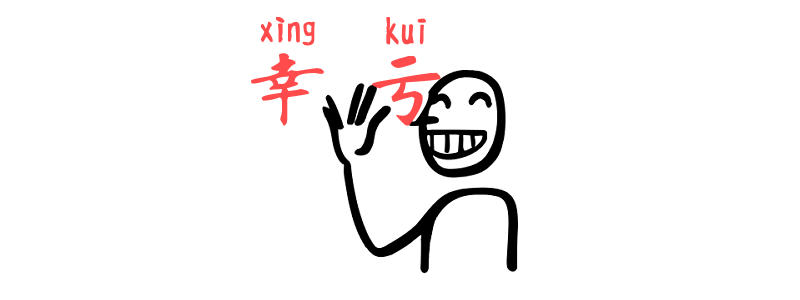
幸虧/幸亏 xìngkuī
幸虧/幸亏 xìngkuī grammar幸虧/幸亏 xìngkuī is an adverb that introduces a situation where due to something happening, a negative result has been averted. It’s commonly translated into luckily or fortunately in English. 要不然 yàobùrán or 否則/否则 fǒuzé usually follows. Structure 幸虧/幸亏 + Lucky Incident,要不然 + Negative Result 要不然 yàobùrán means otherwise. 我不知道要坐這麼久的船,幸虧我已經吃了暈車藥,要不然我一定會吐我不知道要坐这么久的船,幸亏我已经吃了晕车药,要不然我一定会吐Wǒ bù zhīdào yào zuò zhème…

Chinese 趁 chèn grammar
Grammar Point:趁 chèn is a preposition or verb meaning to take advantage of a time or situation—to do something while conditions are right or before they change.This usage does not translate naturally into English word-for-word and is usually better understood by its function rather than a direct equivalent. Structure 趁 chèn + condition / situation / opportunity…
Advanced Comparisons 2
Grammar Point:As you may already know, comparisons in Chinese are typically expressed using 比 bǐ. However, in this article, we’ll explore how to express preferences in Chinese—similar to saying “would rather… than…” in English. Additionally, we’ll introduce three more formal ways to construct comparison sentences in Chinese. Structure – Showing Preference 與与其 + Option A,(S) +…
Making Conclusion in Chinese
In this article, we are going to talk about some phases to make a good conclusion in Chinese. A clear conclusion can change a reader’s or listener’s mind when they reach the end of your speech. Especially in Chinese, we tend to save the most important information in our last sentence. Now let’s learn some…