Skip to content

OneDotDot Chinese

Learn a little Chinese every day

Menu
  • Pronunciation
  • Vocabulary
    • HSK 3.0 Voc
    • Topic Center
    • Professional Field
    • Food Words
    • Synonyms
    • Chinese Slang
  • Grammar
    • Foundation
    • A1 Grammar (HSK 1)
    • A2 Grammar (HSK 2)
    • B1 Grammar (HSK 3)
    • B1 Grammar (HSK 4)
    • B2 Grammar (HSK 5)
    • B2 Grammar (HSK 6)
    • C1-C2 Grammar (HSK 7-9)
  • Resources
    • Characters
    • Chinese Name
    • Conversation
    • Cooking Chinese Food
    • Story
    • Songs
    • Download
    • Chinese Festivals
  • Practice
    • Grammar
    • Reading
    • Listening
  • Shop
Menu

Category: HSK 4

反而 fǎn'ér Chinese Grammar

反而 fǎn’ér Grammar

Posted on April 8, 2023October 31, 2024 by tiffany

Grammar Point:反而 fǎn’ér is an adverb that introduces an action or a situation that is contrary to the expectations of the speaker. It is often translated as “on the contrary,” “instead,” or “but rather.” Structure Clause A + S + 反而 + Clause B The first clause (Clause A) presents an expectation or assumption, while…

Read more
HSK4 story reading

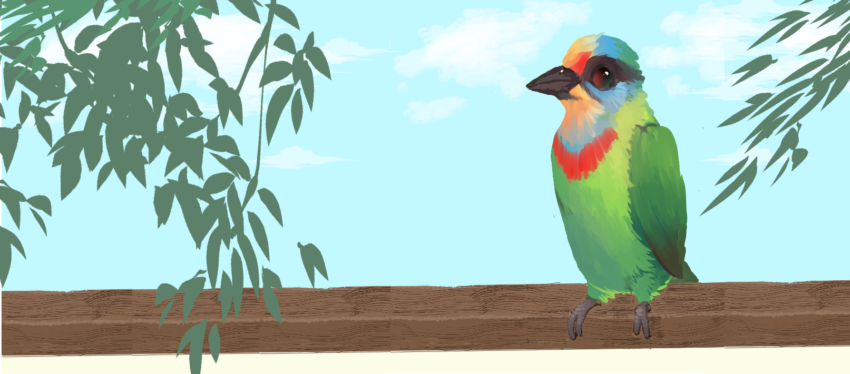
Story – The bird that likes to travel 4

Posted on March 30, 2023March 28, 2023 by tiffany

“The bird that likes to travel” is a story for HSK4 learners. Stories I shared some are Chinese folk tales, and some are my creations. Warning: Most of my stories are not for kids. Listen the Complete Story Story Story Part 1  Story Part 2  Story Part 3  Story Part 4   五色鳥聽到有水果跟餅乾馬上就不生氣了。牠變回有禮貌的五色鳥大聲地跟我道謝說:「你有什麼我就吃什麼,謝謝你!」  五色鸟听到有水果跟饼干马上就不生气了。 它变回有礼貌的五色鸟大声地跟我道谢说:「你有什么我就吃什么,谢谢你!」   我在廚房想了一會兒,最後決定拿蘋果和我愛吃的小餅乾。回到房間後我把食物放在窗前,看著五色鳥高興地吃著。  我在厨房想了一会儿,最后决定拿苹果和我爱吃的小饼干。回到房间后我把食物放在窗前,看着五色鸟高兴地吃着。   五色鳥吃得很快,十分鐘就全部吃完了。  五色鸟吃得很快,十分钟就全部吃完了。   這時候五色鳥跳到了我的頭上說:「我吃飽了!現在有力氣了!為了謝謝你我決定帶你去旅行。」說完,五色鳥就把我的頭拔起來,帶著我的頭飛走了。  这时候五色鸟跳到了我的头上说:「我吃饱了!现在有力气了! 为了谢谢你我决定带你去旅行。」说完,五色鸟就把我的头拔起来,带着我的头飞走了。 Pinyin Wǔsè niǎo tīngdào…

Read more
HSK4 story reading

Story – The bird that likes to travel 3

Posted on March 29, 2023March 28, 2023 by tiffany

“The bird that likes to travel” is a story for HSK4 learners. Stories I shared some are Chinese folk tales, and some are my creations. Warning: Most of my stories are not for kids. Listen the Complete Story Story Story Part 1  Story Part 2  Story Part 3  Story Part 4   看她離開我身上,我也從床上坐了起來:「當然是因為我要工作!」  看她离开我身上,我也从床上坐了起来:「当然是因为我要工作!」   「那你把工作辭掉吧!」  「那你把工作辞掉吧!」   我馬上拒絕地說:「不行!這樣我會很擔心、很害怕。大家都說人應該有一份穩定的工作!」  我马上拒绝地说:「不行! 这样我会很担心、很害怕。 大家都说人应该有一份稳定的工作!」   「怎麼又是大家說!」五色鳥生氣了,因為生氣牠的毛變得蓬蓬的。  「怎麽又是大家说!」 五色鸟生气了,因为生气它的毛变得蓬蓬的。   看牠那麼生氣,我覺得有一點好笑。我站起來走向廚房說:「五色鳥,你別生氣了!我去幫你拿些水果跟餅乾,有什麼特別想吃的嗎?」  看它那么生气,我觉得有一点好笑。…

Read more
HSK4 story reading

Story – The bird that likes to travel 2

Posted on March 28, 2023March 28, 2023 by tiffany

“The bird that likes to travel” is a story for HSK4 learners. Stories I shared some are Chinese folk tales, and some are my creations. Warning: Most of my stories are not for kids. Listen the Complete Story Story Story Part 1  Story Part 2  Story Part 3  Story Part 4   「我不是這個意思,我的意思是我沒想到你會說話。」我不好意思地解釋。  「我不是这个意思,我的意思是我没想到你会说话。」 我不好意思地解释。   啾啾(鳥叫聲)五色鳥笑著說:「你為什麼驚訝?鸚鵡都會說人話了,我當然也能說。」 啾啾(鸟叫声)五色鸟笑着说:「你为什麽惊讶? 鹦鹉都会说人话了,我当然也能说。」   我想一想覺得很有道理,但是又好像不太對。 我想一想觉得很有道理,但是又好像不太对。 「大家都知道鸚鵡會說話,但是我沒聽過五色鳥會說話。」我說出了我的疑惑。…

Read more
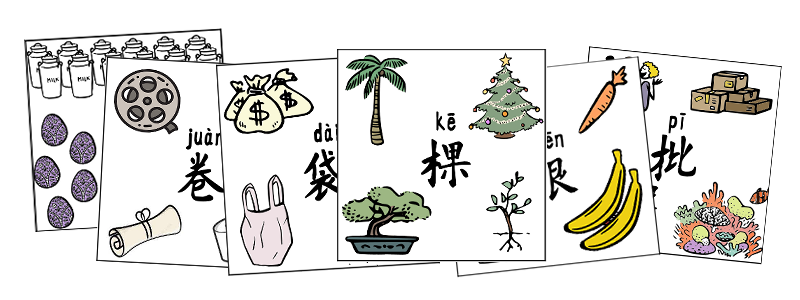
Chinese measure words 打 dǎ, 袋 dài, 根 gēn, 卷 juǎn, 棵 kē, 批 pī

Chinese Measure Words 4

Posted on March 27, 2023February 26, 2024 by tiffany

Grammar Point: In this article, we are going to introduce the following Chinese measure words: 打 dǎ, 袋 dài, 根 gēn, 卷 juǎn, 棵 kē, 批 pī. 打 (dǎ) 打 dǎ is a measure word used for various objects that are usually hit or struck, such as balls, eggs, cans, etc. It is similar to the English measure word “a dozen”…

Read more
Indeed 的确 的確díquè Grammar

Indeed 2 díquè Grammar

Posted on March 26, 2023November 20, 2024 by tiffany

Grammar Point: 的確的确 díquè is a commonly used phrase in Chinese that means “indeed” or “certainly”. It is often used to express agreement or confirmation of a fact or statement. Structure 的確确 díquè + Statement 的確的确 díquè is used to re-affirm the truth or accuracy of a statement previously presented, and to indicate that there…

Read more
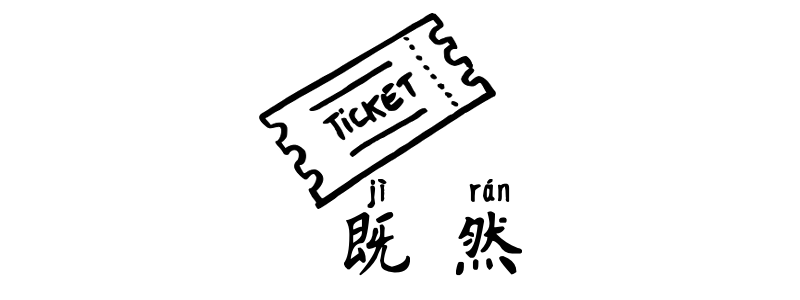
既然 jìrán Chinese grammar

既然 jìrán Grammar

Posted on March 22, 2023January 10, 2025 by tiffany

Grammar Point: 既然 jìrán is a conjunction in Chinese that can be translated as “since” or “now that”. It implies that the speaker has acknowledged the situation and is now making plans accordingly. Structure 既然 + the fact + 那 / 就 / 那就 + suggestion It can be used to give advice or make…

Read more

究竟 jiùjìng Grammar

Posted on March 21, 2023May 10, 2023 by tiffany

Grammar Point:The adverb 究竟 jiùjìng is very similar to the first function of 到底 dàodǐ. It expresses the speaker’s desire to find out the truth or the actual situation. 究竟 jiùjìng is more formal, while 到底 dàodǐ is more colloquial. Structure 究竟 jiùjìng + Question Word This structure is used to express a question that…

Read more
竟然 jìngrán and 居然 jūrán in Chinese grammar

竟然 jìngrán and 居然 jūrán

Posted on March 20, 2023November 18, 2024 by tiffany

Grammar Point:In Chinese, both 竟然 jìngrán and 居然 jūrán are adverbs that convey a sense of surprise or unexpectedness. However, when speaking English, these words are usually not translated, but rather expressed through tone of voice. Structure S + 竟然 jìngrán 竟然 jìngrán is often used to express surprise or disbelief at an unexpected result…

Read more
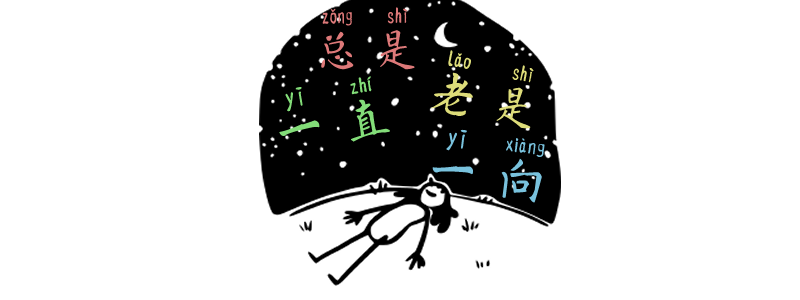
總是/总是 zǒngshì, 老是 lǎoshì, 一向 yíxiàng and 一直 yìzhí

Synonyms of “Always” in Chinese

Posted on March 8, 2023November 22, 2024 by tiffany

There are four ways to say “always” in Chinese, and these are the words 總是总是 zǒngshì, 老是 lǎoshì, 一向 yíxiàng and 一直 yìzhí. However, there are subtle differences in the nuances of these words that are worth noting: 總总是 zǒngshì 總是总是 zǒngshì is used to emphasize a high probability or frequency. 他tā上午shàngwǔ八點bādiǎn總是zǒngshì在zài圖書館túshūguǎn看書kànshū他tā上午shàngwǔ八点bādiǎn总是zǒngshì在zài图书馆túshūguǎn看书kànshūHe is always in…

Read more

Posts pagination

  • Previous
  • 1
  • …
  • 4
  • 5
  • 6
  • 7
  • 8
  • 9
  • 10
  • …
  • 12
  • Next

📗 Contemporary Chinese
➤ Book 1
➤ Book 2
➤ Book 3
➤ Book 4

  • LinkedIn
  • Instagram
線上課程
One-on-one online teaching platform
線上課程

OneDotDot Chinese

Whenever I ask foreigners, "Do you speak Chinese?" they often reply, "a little bit" (yì diǎn diǎn). That inspired me to create this website and translate "yì diǎn diǎn" into the quirky and fun "One Dot Dot."

It’s also a reminder that learning Chinese is a journey, and progress happens one step at a time. By learning just a little bit every day, you’ll go far!

  About me
  Special Thanks
  News
  My Students Only
  Privacy Policy

© 2026 OneDotDot Chinese | Powered by Superbs Personal Blog theme