總是 · 老是 · 一向 · 一直 — 近義詞辨析 Similar Words 總是总是 zǒngshì · 老是 lǎoshì · 一向 yíxiàng · 一直 yìzhí Four ways to say “always” in Mandarin — and the subtle differences in tone, timing, and frequency behind each one. There are four ways to say “always” in Chinese: 總是总是 zǒngshì, 老是 lǎoshì,…
Category: HSK 4
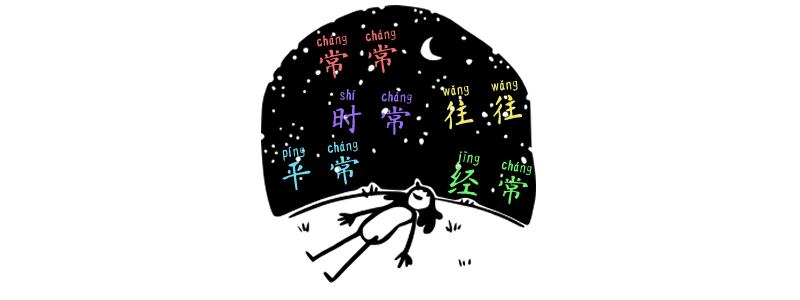
Synonym of Often in Chinese
Introduction:常常 chángcháng, 經常经常 jīngcháng, 往往 wǎngwǎng, 平常 píngcháng, and 時常时常 shícháng share a similar meaning of “often” or “frequently,” but there are some differences in their usages and connotations. 常(常) cháng(cháng) Adverb 常(常) cháng(cháng) means “often” and is always interchangeably with 經常经常 jīngcháng. However, it can sometimes imply a slightly more casual or less frequent…

HSK4 Reading Practice – The Benefits Of Traveling
HSK4 Reading Practice Remember to use the menu at the top right of the article to switch between Traditional and Simplified Chinese. Vocabulary 經驗jīngyàn经验jīngyànexperience 他tā有yǒu很hěn多duō工作gōngzuò經驗jīngyàn他tā有yǒu很hěn多duō工作gōngzuò经验jīngyànHe has a lot of work experience. 習俗xísú习俗xísúcustom, tradition 中國Zhōngguó的de春節chūnjié有yǒu很hěn多duō傳統cháitǒng習俗xísú中国Zhōngguó的de春节chūnjié有yǒu很hěn多duō传统cháitǒng习俗xísúThere are many traditional customs in Spring Festival. 增強zēngqiáng增强zēngqiángstrengthen 運動yùndòng可以kěyǐ增強zēngqiáng你nǐ的de身體shēntǐ运动yùndòng可以kěyǐ增强zēngqiáng你nǐ的de身体shēntǐExercise can strengthen your body. 方式fāngshì方式fāngshì way, pattern, style 每個人měigerén都dōu有yǒu自己zìjǐ的de學習xuéxí方式fāngshì每个人měigerén都dōu有yǒu自己zìjǐ的de学习xuéxí方式fāngshìEveryone has their own…
Synonyms of “Again” in Chinese
又 · 再 · 還 / 还 — 近義詞辨析 Similar Words 又 yòu · 再 zài · 還还 hái Three Chinese words usually translated as “again” in English — here is how to master the differences in timing and repetition. In English, the word “again” covers almost every form of repetition. In Mandarin, however, repetition…

Showing Perspective in Chinese 1
Grammar Point:There are many ways to show perspective in Chinese. In this article, we are going to learn 看來来 kànlái. It’s similar to saying “it seems that” or “apparently” in English. Structure 看來来 kànlái + Perspective 看來来 kànlái can be translated as “apparently” or “it seems” and is used by the speaker to introduce his…
Beef and Steak in Chinese
01 — 部位 Ten Cuts of Beef Taiwan and mainland China often use entirely different names for the same cut — the Text Display switch on your site will flip the terms here too. Click a number on the diagram to bring up its flashcard. 1 2 3 4 5 6 7 8 9 10…
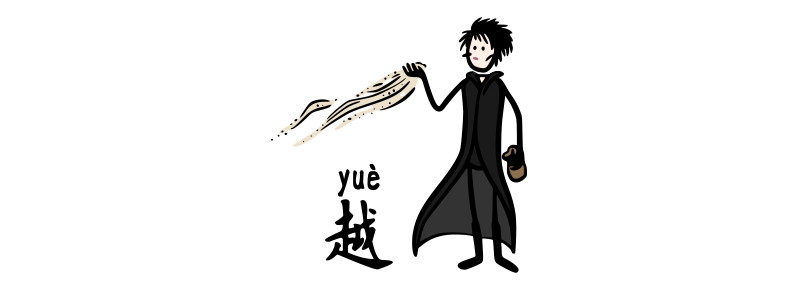
More and More 2
Grammar Point:In Chinese, the phrase 越 yuè…越 yuè… is commonly used to express that the degree of something increases with another situation. Structure – 越 + Adj. + 越 S + 越 yuè + Adj + 越 yuè + Adj or V It is important to note that 越 yuè…越 yuè… should not be followed…

就 vs 才
就 jiù and 才 cái have many similar functions, but not the same, which confuses many Chinese learners. In this article, we are going to talk about 7 common comparisons of 就 jiù and 才 cái. 1. Time + 就/才 就 jiù 才 cái Earlier than expectedIf the action happened, you need to put 了…
Synonym of Afraid in Chinese
害怕 · 可怕 · 恐怕 · 怕 — 近義詞辨析 Similar Words 害怕 · 可怕 · 恐怕 · 怕 Four ways to say “afraid” in Mandarin — and how to pick the right one every time. In English, afraid, fear, and scary are simple. In Mandarin, expressing fear means choosing between an inner psychological state (害怕…

Abstract Words
Before we look up abstract words in Chinese, I want to tell you a secret. In China, any kind of accident or disease has an official death toll. I don’t know about the disease, but for any accident, the death toll cannot be over 35; otherwise, the officials will have to step down and take…