Skip to content

OneDotDot Chinese

Learn a little Chinese every day

Menu
  • Pronunciation
  • Vocabulary
    • HSK 3.0 Voc
    • Topic Center
    • Professional Field
    • Food Words
    • Synonyms
    • Chinese Slang
  • Grammar
    • Foundation
    • A1 Grammar (HSK 1)
    • A2 Grammar (HSK 2)
    • B1 Grammar (HSK 3)
    • B1 Grammar (HSK 4)
    • B2 Grammar (HSK 5)
    • B2 Grammar (HSK 6)
    • C1-C2 Grammar (HSK 7-9)
  • Resources
    • Characters
    • Chinese Name
    • Conversation
    • Cooking Chinese Food
    • Story
    • Songs
    • Download
    • Chinese Festivals
  • Practice
    • Grammar
    • Reading
    • Listening
  • Shop
Menu

Category: HSK 4

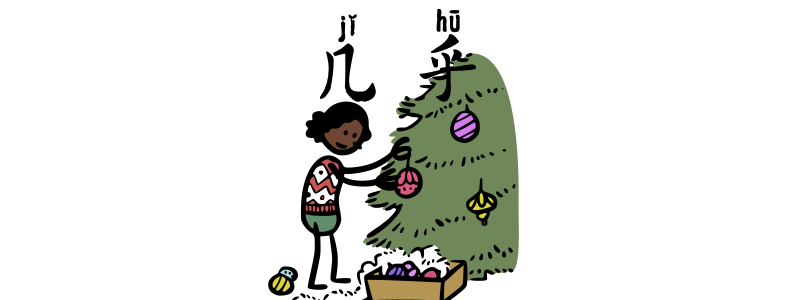
Almost in Chinese 几乎 jīhū

Almost in Chinese – jīhū

Posted on December 13, 2023May 12, 2025 by tiffany

Grammar Point:The Chinese word 幾几乎 jīhū means “almost” or “nearly” in English. It is used to describe that something is close to completion, close to a certain state, or almost reaching a specific condition or outcome. Structure S + jīhū + V + O or Complement 幾几乎 jīhū is often used in conjunction with words…
Read more
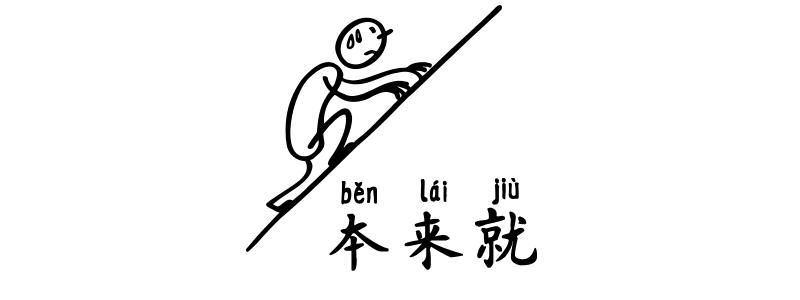
Supposed in Chinese běnlái jiù 本来就

“Supposed to” in Chinese – běnlái jiù

Posted on September 30, 2023February 23, 2024 by tiffany

Grammar Point:本來来就 běnlái jiù often implies “supposed to” or “it goes without saying,” indicating that something is expected or common knowledge. Structure S + běnlái jiù + something supposed to 學xué中文zhōngwén本來běnlái就jiù不bù容易róngyì学xué中文zhōngwén本来běnlái就jiù不bù容易róngyìLearning Chinese is inherently not easy. 穿chuān褲子kùzi本來běnlái就jiù比bǐ穿chuān裙子qúnzi方便fāngbiàn穿chuān裤子kùzi本来běnlái就jiù比bǐ穿chuān裙子qúnzi方便fāngbiànWearing pants is supposed to be more convenient than wearing a skirt. 這zhè本來běnlái就jiù是shì你的nǐde工作gōngzuò这zhè本来běnlái就jiù是shì你的nǐde工作gōngzuòThis is supposed to be your job….

Read more
dogs related Chinese gou

Dogs Related Chinese

Posted on August 15, 2023July 11, 2025 by tiffany

As a dog lover, you not only have a deep affection for dogs but also have a global perspective. Knowing just the Chinese word for “dog” isn’t sufficient. Let’s explore more Chinese words about dogs together today! DOG TITLES For dogs 狗gǒu狗gǒu:Dog 狗勾gǒugōu狗勾gǒugōu:Doggy(This is an affectionate way of referring to a dog.) 修狗xiūgǒu修狗xiūgǒu:Doggie(This is an…

Read more
cats related Chinese mao

Cats Related Chinese

Posted on August 14, 2023August 17, 2023 by tiffany

As cat person, you not only love and adore cats, but you’re also very international. Of course, it’s not enough to only know the Chinese word for “cat.” Today, let’s learn more Chinese words related to cats together! CAT TITLES For cats 貓māo猫māo:Cat 咪咪mīmi咪咪mīmi:Kitty(This is an affectionate way of referring to a cat.) 毛máo小孩xiǎohái毛máo小孩xiǎohái:Fur kid…

Read more
Adverbs for Adjective 很 hěn 特別 tèbié

Adverbs for Adjective 4

Posted on June 21, 2023August 18, 2023 by tiffany

Grammar Point:In most situations, Chinese adjectives typically require an adverb. Here are the adverbs we are going to look at in this article: Examples 她tā格外géwài喜歡xǐhuān這個zhège禮物lǐwù她tā格外géwài喜欢xǐhuan这个zhège礼物lǐwùShe particularly likes this gift. 這zhè次cì的deHSK4 考試kǎoshì格外géwài難nán这zhè次cì的deHSK4 考试kǎoshì格外géwài难nánThe HSK4 exam this time was especially difficult. 我wǒ對duì你們nǐmen的de處理chùlǐ態度tàidù感到gǎndào極jí不bù滿意mǎnyì我wǒ对duì你们nǐmen的de处理chùlǐ态度tàidù感到gǎndào极jí不bù满意mǎnyìI am extremely dissatisfied with your attitude when you handling this matter. 這zhè部bù電影diànyǐng的de內容nèiróng極jí有深度yǒushēndù, 看kàn完wán讓ràng人rén再三回味zàisānhuíwèi这zhè部bù电影diànyǐng的de内容nèiróng极jí有深度yǒushēndù, 看kàn完wán让ràng人rén再三回味zàisānhuíwèiThe content…

Read more
Chinese Separable Verbs VO structure

Chinese Separable Verbs

Posted on June 11, 2023July 15, 2023 by tiffany

Why Are Chinese Separable Verbs Important? One of the key reasons is that among the 1,000 commonly used verbs in Modern Chinese, a whopping 685 of them are separable verbs. You’ll frequently come across them, especially in basic words like 睡覺觉 (to sleep), 吃飯饭 (to eat), and 看書书 (to read), when learning Chinese. Knowing which…

Read more
The function of 把 ba in Chinese

Use 把 bǎ or not Practice

Posted on May 13, 2023July 11, 2025 by tiffany

TouchHover over the end of the sentences to see the answers. Think about whether the following sentences need to use the word ‘把’ Rob, Sam, and Jonathan are all good friends of Tiffany. Today, Tiffany invited them to her house to experience making dumplings together. Rob said, “I brought some fruits!” 我wǒ帶dài了le一些yìxiē水果shuǐguǒ! 我wǒ带dài了le一些yìxiē水果shuǐguǒ! O我wǒ把bǎ一些yìxiē水果shuǐguǒ帶了dàile! 我wǒ把bǎ一些yìxiē水果shuǐguǒ带了dàile!…

Read more
是 shì… 的 de Chinese structure

是 shì … 的 de Structure 2

Posted on May 6, 2023May 4, 2023 by tiffany

Grammar Point: The 是 shì … 的 de structure in Chinese is used to provide strong affirmation. It is often used to clarify or emphasize a point or to make a statement more assertive. It is similar to the way English speakers might stress the word “is” in a sentence. When to use it? What…

Read more
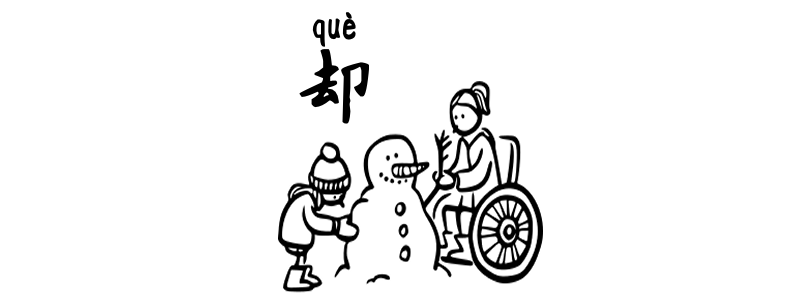
卻 què Grammar

却/卻 què Grammar

Posted on May 5, 2023May 4, 2023 by tiffany

Grammar Point:卻却 què is an adverb in Chinese that is commonly used to indicate a contrast between two statements. Although it is similar in meaning to the English conjunction “but” or “however”, it is not usually used to link two sentences. Structure Sentence ,(但是 +) S2 + 卻/却 When using 卻却 què, the first clause…

Read more
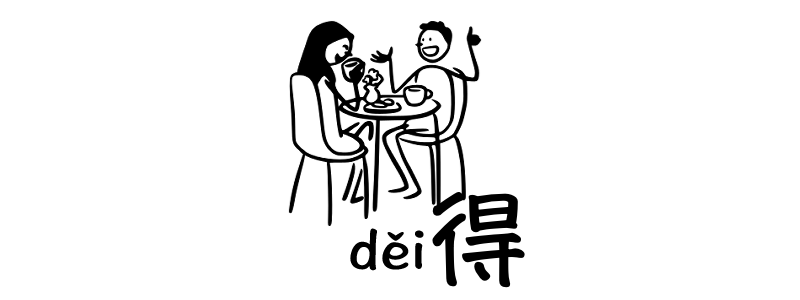
得 děi Chineses Grammar

Must 得 děi Grammar

Posted on April 9, 2023April 8, 2023 by tiffany

Grammar Point:The Chinese grammar particle 得 děi is used to express the necessity or obligation to do something. It can be translated into English as “must,” “have to,” or “should.” I know it can be very confusing because it is the same character as 得 de, but actually, you can distinguish between them based on…

Read more

Posts pagination

  • Previous
  • 1
  • …
  • 3
  • 4
  • 5
  • 6
  • 7
  • 8
  • 9
  • …
  • 12
  • Next

📗 Contemporary Chinese
➤ Book 1
➤ Book 2
➤ Book 3
➤ Book 4

  • LinkedIn
  • Instagram
線上課程
One-on-one online teaching platform
線上課程

OneDotDot Chinese

Whenever I ask foreigners, "Do you speak Chinese?" they often reply, "a little bit" (yì diǎn diǎn). That inspired me to create this website and translate "yì diǎn diǎn" into the quirky and fun "One Dot Dot."

It’s also a reminder that learning Chinese is a journey, and progress happens one step at a time. By learning just a little bit every day, you’ll go far!

  About me
  Special Thanks
  News
  My Students Only
  Privacy Policy

© 2026 OneDotDot Chinese | Powered by Superbs Personal Blog theme