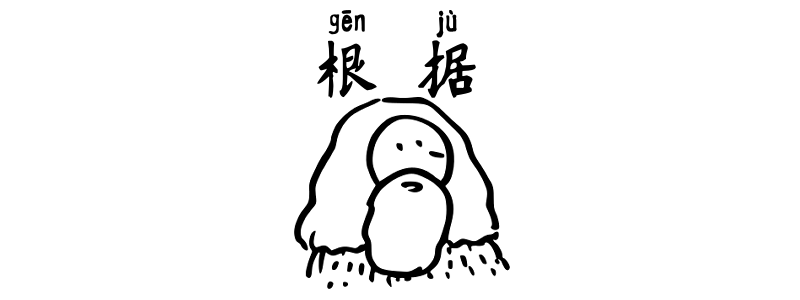
Grammar Point:The Chinese word 根據据 gēnjù means making decisions or taking actions based on reasons or evidence, similar to “according to” or “based on” in English. It’s used when referring to using evidence, following instructions, or making decisions based on specific information. Structure 根據据 gēnjù + N 根據gēnjù今天jīntiān的de天氣tiānqì預報yùbào, 明天míngtiān可能kěnéng會huì下雨xiàyǔ根据gēnjù今天jīntiān的de天气tiānqì预报yùbào, 明天míngtiān可能kěnéng会huì下雨xiàyǔAccording to today’s weather forecast, it…
Category: HSK 4
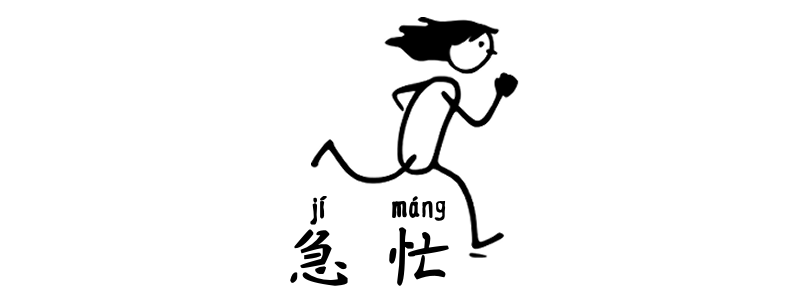
“In a hurry” in Chinese – jímáng
Grammar Point:In Chinese, 急忙 jímáng is an adverb that means “hurriedly” or “in a hurry.” It is often used to describe actions that are done quickly or urgently. Structure 急忙 jímáng + V 他tā急忙jímáng走zǒu了le過去guòqù他tā急忙jímáng走zǒu了le过去guòqùHe hurried over. 我wǒ急忙jímáng給gěi他tā倒dào了le杯bēi水shuǐ我wǒ急忙jímáng给gěi他tā倒dào了le杯bēi水shuǐI hurriedly poured him a glass of water. 你nǐ急急忙忙jíjímángmáng地de是shì要yào去qù哪裡nǎlǐ? 你nǐ急急忙忙jíjímángmáng地de是shì要yào去qù哪儿nǎr? Where are you rushing off to in such a…
“About to” in Chinese – jíjiāng
Grammar Point:The Chinese word 即將将 jíjiāng means “soon” or “about to.” It indicates that an event or action is imminent or approaching in the near future. It conveys the sense of something happening shortly or being on the verge of occurring. Structure jíjiāng + Verb 即將将 jíjiāng is generally considered a formal term in Chinese….
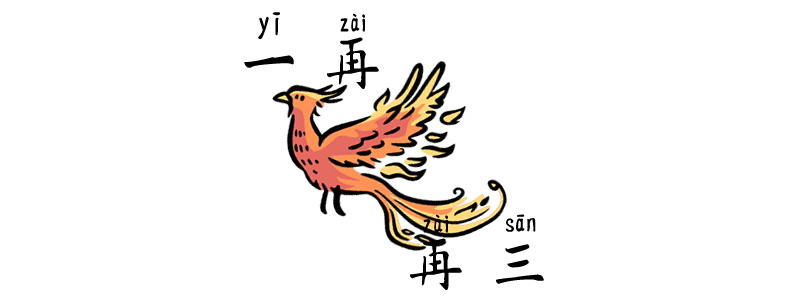
“Repeatedly” in Chinese
Grammar Point:一再 yízài and 再三 zàisān are both Chinese expressions that convey the idea of “repeatedly” or “again and again.” While they share a similar meaning, there are nuanced differences in how they are used. Structure 一再 yízài In Chinese, the word 一再 yízà emphasizes the idea of doing something repeatedly or continuously, often to…
Not necessary in Chinese – 未必 wèibì
Grammar Point:The Chinese word 未必 wèibì means “not necessarily” or “may not necessarily” in English. It leaves room for the possibility that things could be different or may not turn out as expected. Structure 未必 wèibì + V / Adj / Clause 這個zhège文法wénfǎ未必wèibì簡單jiǎndān这个zhège文法wénfǎ未必wèibì简单jiǎndānThis grammar may not necessarily be simple. 他的tāde計劃jìhuà未必wèibì會huì成功chénggōng他的tāde计划jìhuá未必wèibì会huì成功chénggōngHis plan may not necessarily succeed….
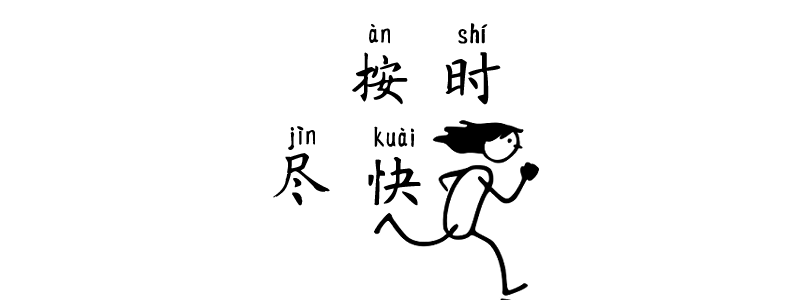
On time and ASAP in Chinese
Grammar Point:The Chinese words 按時时 ànshí and 儘尽快 jǐnkuài are employed to convey various aspects of time management. 按時时 ànshí means “on time” in English, while 儘尽快 jǐnkuà translates to “as soon as possible” in English. Structure On Time – ànshí It is an adverb used to indicate punctuality or performing tasks according to a…
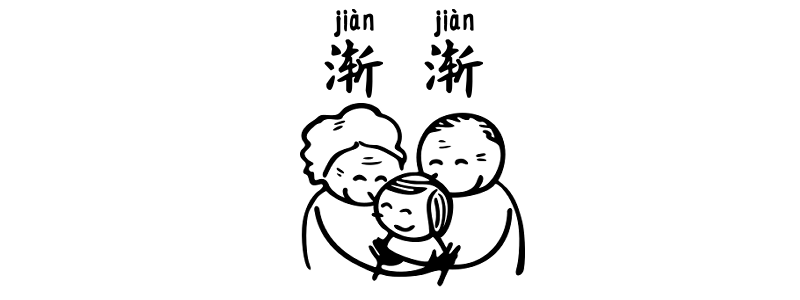
“Gradually” in Chinese – jiànjiàn
Grammar Point:The Chinese word 漸漸渐渐 jiànjiàn means “gradually” or “little by little” in English. It is often used to describe a process or development that happens gradually, step by step, without sudden or abrupt changes. Structure Jiànjiàn + V or Adj 4 月yuè開始kāishǐ天氣tiānqì會huì漸漸jiànjiàn暖和nuǎnhuo起來qǐlái4 月yuè开始kāishǐ天气tiānqì会huì渐渐jiànjiàn暖和nuǎnhuo起来qǐláiThe weather will gradually become warmer starting from April. 孩子háizi們men都dōu漸漸jiànjiàn長大zhǎngdà了le, 父母fùmǔ卻què漸漸jiànjiàn老lǎo了le孩子háizi们men都dōu渐渐jiànjiàn长大zhǎngdà了le, 父母fùmǔ却què渐渐jiànjiàn老lǎo了leThe…
In total – 共 gòng
Grammar Point:The term 共 gòng in Chinese often translates to “altogether” or “in total.” It’s often paired with a numeral or a quantity to represent the entirety of something. Structure 共 gòng + (V) + Numeral or Quantity In daily conversation, it is more common to say 一共 yígòng. 共gòng有yǒu三十sānshí人rén出席chūxí會議huìyì共gòng有yǒu三十sānshí人rén出席chūxí会议huìyìA total of thirty people attended…
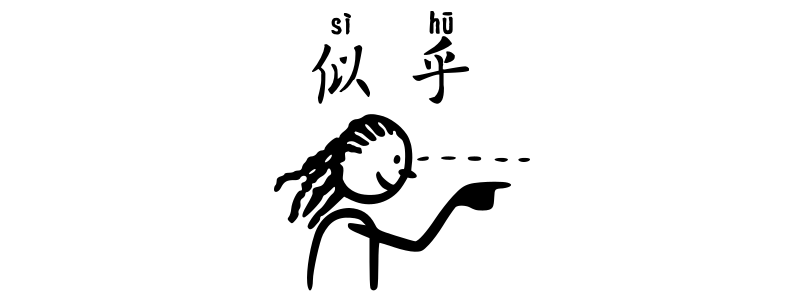
“Seems” in Chinese – 似乎 sìhū
Grammar Point:The Chinese word 似乎 sìhū is similar to saying “seems like” or “seems” in English. It helps describe when something appears a certain way based on what you see or feel, but it’s not confirmed or certain. Structure S + 似乎 sìhū + Description/Action/Verb Phrase 似乎 sìhū is actually the formal term for 好像…
Expressing tones with hái
Grammar Point:In Mandarin Chinese, the word 還还 hái can be used to convey a surprised or sarcastic tone, and it can be employed in rhetorical questions as well. It adds emphasis or disbelief to a statement, often suggesting surprise or skepticism about something that has been said or done. Structure S + hái + Noun…