Skip to content

OneDotDot Chinese

Learn a little Chinese every day

Menu
  • Pronunciation
  • Vocabulary
    • HSK 3.0 Voc
    • Topic Center
    • Professional Field
    • Food Words
    • Synonyms
    • Chinese Slang
  • Grammar
    • Foundation
    • A1 Grammar (HSK 1)
    • A2 Grammar (HSK 2)
    • B1 Grammar (HSK 3)
    • B1 Grammar (HSK 4)
    • B2 Grammar (HSK 5)
    • B2 Grammar (HSK 6)
    • C1-C2 Grammar (HSK 7-9)
  • Resources
    • Characters
    • Chinese Name
    • Conversation
    • Cooking Chinese Food
    • Story
    • Songs
    • Download
    • Chinese Festivals
  • Practice
    • Grammar
    • Reading
    • Listening
  • Shop
Menu

Category: HSK 1

Not very in Chinese 不太 bútài

“Not very” in Chinese – 不太 bútài

Posted on December 6, 2024December 6, 2024 by tiffany

Grammar Point:The phrase 不太 bútài in Chinese grammar is a combination of the negation word 不 bù (not) and the degree adverb 太 tài (too/very). Together, they create a structure that expresses a mild negation or conveys the idea of “not very” when describing a certain degree or extent of something. Structure 不太 + Adjective When used with adjectives, 不太 bútài expresses a degree…

Read more
Yes and No in Chinese

How to say “Yes” and “No” in Chinese

Posted on December 3, 2024 by tiffany

I’ll get straight to the point here. Chinese does not have specific words for “yes” and “no” that directly translate into English. Instead, Chinese language relies on context, repetition of verbs, or affirmative/negative expressions to convey agreement or disagreement. If you’re interested in the details, keep reading! No Direct “Yes” or “No” Words Unlike English, which uses…

Read more
Drinking Culture in Chinese

Drinking Culture in Chinese

Posted on November 10, 2024November 11, 2024 by tiffany

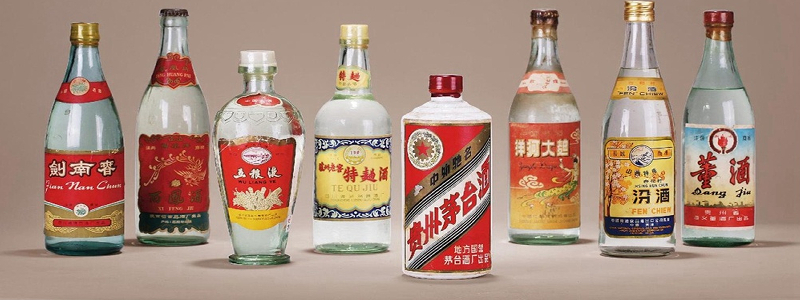
Beyond “Cheers!” – Your Guide to Drinking Culture in Chinese Ever wondered how to talk about alcohol in Chinese? Whether you’re planning a business dinner in Shanghai or a night out in Taipei, understanding drinking culture in Chinese-speaking regions can be your secret weapon for better connections and memorable experiences. Alcohol Vocabulary If you’re curious…

Read more
attachment in Chinese

Zero Pronoun

Posted on April 16, 2024April 25, 2024 by tiffany

Grammar Point:In Chinese grammar, a zero pronoun (零代詞词 líng dàicí) refers to the omission of a pronoun when the context makes it clear what the pronoun would be. This is common in conversational Chinese and often occurs with personal pronouns like 我 (wǒ – I/me), 你 (nǐ – you), and 他/她/它 (tā – he/she/it). Structure…

Read more
Contemporary Chinese vocabulary practice

Book 1 Lesson 2 – Vocabulary

Posted on March 14, 2024March 14, 2024 by tiffany

Click here to modify ↘️  the characters and pinyin  Vocabulary Part 1 的 de (Ptc) modification marker 家人 jiārén (N) family (members) 家 jiā (N) home, house 漂亮 piàoliàang (SV) pretty 房子 fángzi (N) house 坐 zuò (Vi) to sit 好 hǎo (Ptc) OK 有 yǒu (Vst) to have 多 duō (SV) many 先生 xiānshēeng…

Read more
Contemporary Chinese vocabulary practice

Book 1 Lesson 1 – Vocabulary

Posted on March 1, 2024March 10, 2024 by tiffany

Click here to modify ↘️  the characters and pinyin  Vocabulary Part 1 你 nǐ (N) you 來来 lái (V) to come 是 shì (Vst) to be 小姐女士 xiǎojiěnǚshì (N) Miss, Ms. 嗎吗 ma (Ptc) sentence final particle 接 jiē (V) to pick sb up 我們们 wǒmen (N) we, us 我 wǒ (N) I, me 這这…

Read more

HSK1 Reading Practice – Hēimāo Mīmī

Posted on January 3, 2024August 13, 2025 by tiffany

HSK1 Reading Practice Remember to use the menu at the top right of the article to switch between Traditional and Simplified Chinese. Vocabulary 貓咪māomī猫咪māomīkitty, cat 我wǒ有yǒu一yì隻zhī可愛kěài的de貓咪māomī我wǒ有yǒu一yì只zhǐ可爱kěài的de猫咪māomīI have a cute kitty. 花園huāyuán花园huāyuángarden 房子fángzi後面hòumiàn有yǒu一個yíge花園huāyuán房子fángzi后面hòumian有yǒu一个yíge花园huāyuánThere is a garden behind the house. 黑色hēisè黑色hēisèblack 他tā喜歡xǐhuān穿chuān黑色hēisè的de衣服yīfú他tā喜欢xǐhuan穿chuān黑色hēisè的de衣服yīfuHe likes to wear black clothes. 樹shù树shùtree 公園gōngyuán裡lǐ有yǒu很hěn多duō樹shù公园gōngyuán里lǐ有yǒu很hěn多duō树shùThere are many trees in the park. 生氣shēngqì生气shēngqìangry 她tā為什麼wèishénme生氣shēngqì她tā为什么wèishénme生气shēngqìWhy…

Read more
Movement Marker 到 dào

Movement Marker 到 dào

Posted on December 17, 2023December 17, 2023 by tiffany

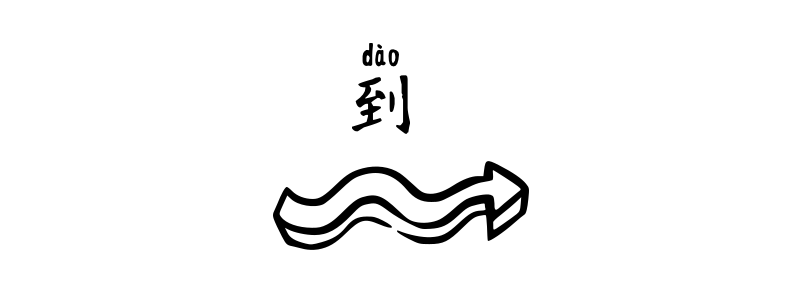
Grammar Point:In Chinese, the movement marker 到 dào is used to indicate the completion or arrival of an action or movement to a particular destination. Structure S + 到 dào + Place + (Do what) It’s often used with verbs of motion, such as 來来 lái (to come), 去 qù (to go), or other action…

Read more
Feelings in Chinese

Feelings in Chinese

Posted on September 29, 2023October 9, 2023 by tiffany

Here’s a list of feelings vocabulary in Chinese: 開心kāixīn开心kāixīn – Happy 快樂kuàilè快乐kuàilè – Delighted 高興gāoxìng高兴gāoxìng – glad 愉快yúkuài愉快yúkuài – Pleased 滿意mǎnyì满意mǎnyì – Satisfied 輕鬆qīngsōng轻松qīngsōng – Relaxed 害怕hàipà害怕hàipà – Afraid 緊張jǐnzhāng紧张jǐnzhāng – Nervous 擔心dānxīn担心dànxīn – Worried 焦慮jiāolǜ焦虑jiāolǜ – Anxious 沮喪jūsāng沮丧jūsāng – Frustrated 難過nánguò难过nánguò – Sad 生氣shēngqì生气shēngqì – Angry 驚訝jīngyà惊讶liángyà – Surprised 好奇hǎoqí好奇hǎoqí – Curious 疑惑yíhuò疑惑yíhuò –…

Read more
Fruits in Chinese

Fruits in Chinese

Posted on September 13, 2023October 9, 2023 by tiffany

Fruits and Chinese Medicine In traditional Chinese medicine literature, fruits are classified into five different natures or properties: cold, cool, warm, hot, and neutral. The terms “cold” and “cool” as well as “hot” and “warm” share common characteristics in their effects, but they differ in their intensity, with “cold” being more extreme than “cool.” Fruits…

Read more

Posts pagination

  • 1
  • 2
  • 3
  • 4
  • …
  • 12
  • Next

📗 Contemporary Chinese
➤ Book 1
➤ Book 2
➤ Book 3
➤ Book 4

  • LinkedIn
  • Instagram
線上課程
One-on-one online teaching platform
線上課程

OneDotDot Chinese

Whenever I ask foreigners, "Do you speak Chinese?" they often reply, "a little bit" (yì diǎn diǎn). That inspired me to create this website and translate "yì diǎn diǎn" into the quirky and fun "One Dot Dot."

It’s also a reminder that learning Chinese is a journey, and progress happens one step at a time. By learning just a little bit every day, you’ll go far!

  About me
  Special Thanks
  News
  My Students Only
  Privacy Policy

© 2025 OneDotDot Chinese | Powered by Superbs Personal Blog theme