水果 · Chinese Vocabulary
Fruits in Chinese
水果
Fruit names are an easy place to start — but in Chinese, fruit also comes with an opinion about your body. Traditional Chinese medicine sorts every fruit into one of five “natures,” and which one you reach for is thought to depend on how you’re feeling.
The five natures · 五性
Balancing it out — and why you’ll hear “上火“
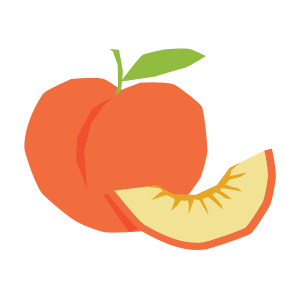
Cold and cool fruits are used to clear heat — for symptoms like fever, dry mouth, or acne, the advice is to eat more starfruit, watermelon, or citrus. Warm and hot fruits do the opposite, warming the body for symptoms like fatigue, chills, or diarrhea — think peach, lychee, or custard apple.
The everyday word tying this together is 上火 shànghuǒ — literally “catch fire.” Eat too much durian or lychee and someone may warn you that you’ll shànghuǒ: a sore throat, mouth ulcers, or acne, the classic signs of excess internal heat. It’s one of the most common pieces of everyday health advice in Chinese-speaking households — and part of why piling on warm fruit while already overheated is considered a bad idea.
Twenty-six to know
水果 — Fruit
Sorted by nature. Tap the speaker on any card to hear it — and note where Taiwan and the Mainland don’t just write a word differently, they use a completely different word.
寒 — Cold
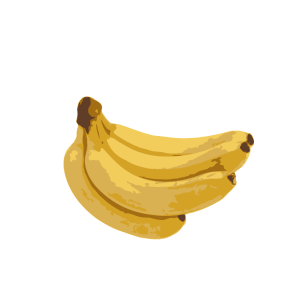
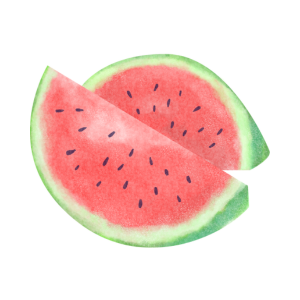
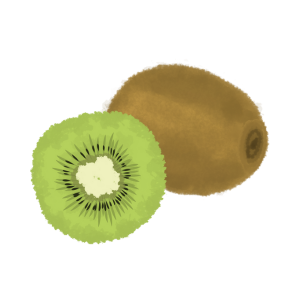
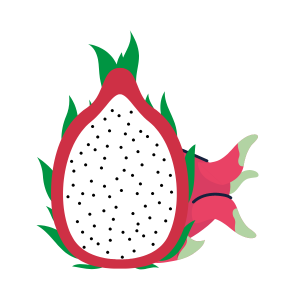

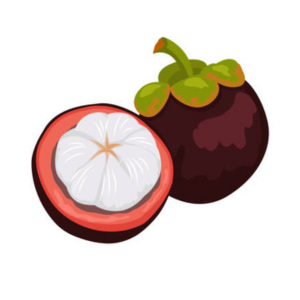
Why not watermelon at night?
Cold-natured fruit is thought to unsettle digestion when you eat too much of it — many older Taiwanese grew up hearing that a late-night bowl of watermelon will give you a stomachache or send you running for the bathroom. Cold, water-heavy fruit like watermelon gets blamed most often.
凉 — Cool
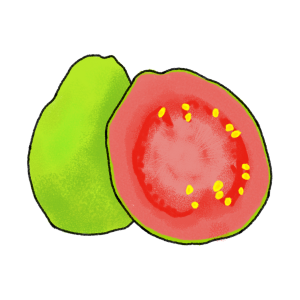
平 — Neutral
Too lucky for some professions
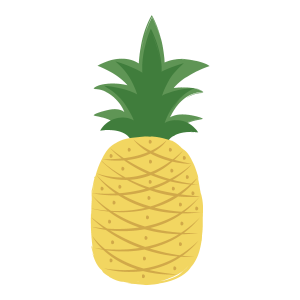
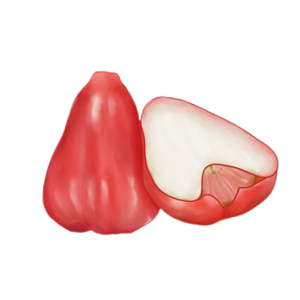
In Taiwanese Hokkien, 凤梨 sounds close to 旺来 wàng lái — “prosperity is coming” — which is why it shows up at temples and store openings. But doctors and funeral industry workers often avoid it for the opposite reason: more “prosperity” for them means more patients or more deaths, so the last thing they want is to invite more business their way.
温 — Warm
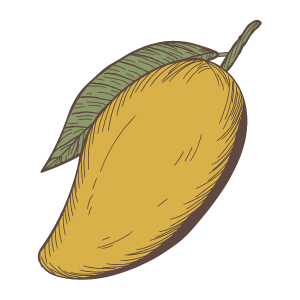
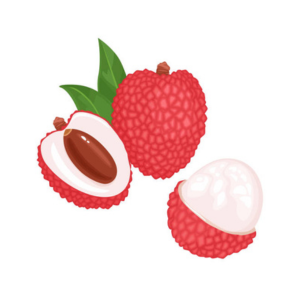

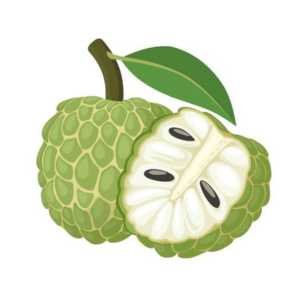
Named after Buddha
释迦 shìjiā — custard apple — is literally the Chinese name for Śākyamuni, the historical Buddha. The fruit’s bumpy, knobbed skin was thought to resemble the tight curls of hair on Buddha statues, and the name stuck.
A cherry by any other name
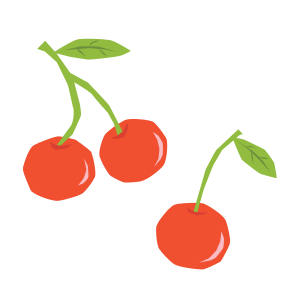
车厘子 chēlízi isn’t a translation of “cherry” — it’s a transliteration, borrowed through Cantonese from the English word itself, and it’s now the standard term for imported cherries across much of Mainland China.
热 — Hot
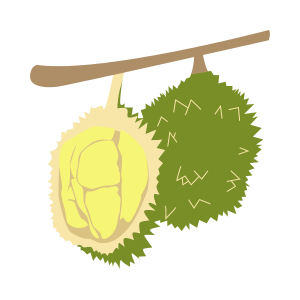
A modern wrinkle
水果改良 — Sweeter By Design
None of the “nature” system above accounts for a very modern problem: fruit itself has changed.
Decades of breeding and 基改 jīgǎi (genetic modification) have made fruit consistently sweeter, larger, and more reliably delicious than what previous generations grew up eating. Mangoes, grapes, and pineapples sold today can carry a sugar content closer to dessert than to the “healthy snack” fruit has always been marketed as.
That shift is exactly why health authorities in Taiwan have started publicly reminding people to 控量 kòngliàng — control the portion — when eating fruit, rather than treating it as unlimited. The concern isn’t fruit itself, but the sugar load of eating it without limit: 脂肪肝 zhīfánggān (fatty liver), 高血压 gāoxuèyā (high blood pressure), and 血糖波动 xuètáng bōdòng (blood sugar swings) are now regularly mentioned in the same breath as fruit, not just soda or candy.
Fruit isn’t automatically “healthy” anymore
It’s a strange position for fruit to be in — still full of fiber and vitamins, but sweet enough now that “eat as much fruit as you want” is no longer good advice. A palm-sized portion, a couple of times a day, is closer to what’s actually recommended.
Taiwan’s Fruit Kingdom — a look at just how many varieties of fruit Taiwan grows
Vocabulary aside, fruit in Chinese-speaking cultures carries a lot more baggage than it does in English — it’s medicine, superstition, hospitality, and now, a portion-controlled indulgence, all at once. Next time you’re handed a slice of watermelon or a box of lychee, you’ll know there’s a whole framework of belief behind it — and maybe a gentle warning not to overdo it.

