Click here to modify ↘️ the characters and pinyin Vocabulary Part 1 的 de (Ptc) modification marker 家人 jiārén (N) family (members) 家 jiā (N) home, house 漂亮 piàoliàang (SV) pretty 房子 fángzi (N) house 坐 zuò (Vi) to sit 好 hǎo (Ptc) OK 有 yǒu (Vst) to have 多 duō (SV) many 先生 xiānshēeng…

Category: HSK 1
Book 1 Lesson 1 – Vocabulary
Click here to modify ↘️ the characters and pinyin Vocabulary Part 1 你 nǐ (N) you 來来 lái (V) to come 是 shì (Vst) to be 小姐女士 xiǎojiěnǚshì (N) Miss, Ms. 嗎吗 ma (Ptc) sentence final particle 接 jiē (V) to pick sb up 我們们 wǒmen (N) we, us 我 wǒ (N) I, me 這这…
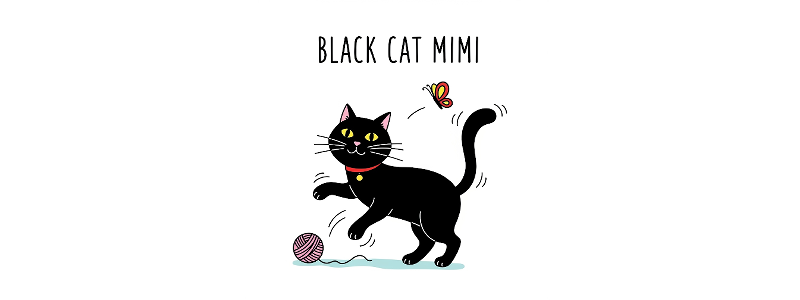
HSK1 Reading Practice – Hēimāo Mīmī
HSK1 Reading Practice Remember to use the menu at the top right of the article to switch between Traditional and Simplified Chinese. Vocabulary 貓咪māomī猫咪māomīkitty, cat 我wǒ有yǒu一yì隻zhī可愛kěài的de貓咪māomī我wǒ有yǒu一yì只zhǐ可爱kěài的de猫咪māomīI have a cute kitty. 花園huāyuán花园huāyuángarden 房子fángzi後面hòumiàn有yǒu一個yíge花園huāyuán房子fángzi后面hòumian有yǒu一个yíge花园huāyuánThere is a garden behind the house. 黑色hēisè黑色hēisèblack 他tā喜歡xǐhuān穿chuān黑色hēisè的de衣服yīfú他tā喜欢xǐhuan穿chuān黑色hēisè的de衣服yīfuHe likes to wear black clothes. 樹shù树shùtree 公園gōngyuán裡lǐ有yǒu很hěn多duō樹shù公园gōngyuán里lǐ有yǒu很hěn多duō树shùThere are many trees in the park. 生氣shēngqì生气shēngqìangry 她tā為什麼wèishénme生氣shēngqì她tā为什么wèishénme生气shēngqìWhy…
Movement Marker 到 dào
OneDotDot Chinese Grammar · HSK 1 Grammar Point · HSK 1 到 dào 到 dào marks arrival — the completion of a movement toward a destination. 到 dào slots in right after the subject, marking that a movement is complete or a destination has been reached. It’s often paired with 來 lái (come) or 去…
Chinese Feelings Vocabulary
Feelings in Chinese — OneDotDot Chinese (Redesign) 心心情情與与情情緒绪 · Chinese Vocabulary Feelings in Chinese 心心情情 Twenty-five words for how you might be feeling — plus a look at why, in Chinese-speaking culture, actually saying most of them out loud is rarer than you’d think. Before the list 心心情情與与情情緒绪 xīnqíng yǔ qíngxù — Mood & Emotion…
Symptoms in Chinese
Symptoms in Chinese — OneDotDot Chinese (Redesign) 症症狀状與与中中醫医 · Chinese Vocabulary Symptoms in Chinese 症症狀状 zhèngzhuàng A plain list of symptoms is dull on its own, so this one comes with the Traditional Chinese Medicine logic behind each group — how it explains what’s going wrong, and what’s traditionally done about it. The idea behind…
Living Room Vocabulary
Living Room Vocabulary — OneDotDot Chinese (Redesign) 客客廳厅與与風风水水 · Chinese Vocabulary Living Room Vocabulary 客客廳厅 A plain list of furniture words gets old fast — so this one comes wrapped in Fengshui, the traditional belief system Chinese households still lean on when arranging a living room. Fengshui is a personal practice more than a fixed…
The Chinese Family Tree
The Chinese Family Tree — OneDotDot Chinese (Redesign) 家家族族稱称謂谓 · Chinese Vocabulary The Chinese Family Tree 家家族族稱称謂谓 English gets by with “aunt,” “uncle,” and “cousin.” Chinese doesn’t let you off that easy — every relative’s exact position matters: which side of the family, older or younger, by blood or by marriage. It sounds intimidating, but…
Ordering Coffee
Vocabulary & Dialogue · Beginner語彙・会話・初級어휘·회화·초급 Ordering Coffee注文する주문하기 Coffee, tea, and juice vocabulary, plus a full staff–customer ordering dialogue.コーヒー、お茶、ジュースの語彙と、店員とお客様の注文会話です。커피, 차, 주스 어휘와 직원-고객 주문 대화문입니다. EN 日本語 한국어 Coffee 咖啡コーヒー 咖啡커피 咖啡 美式咖啡měishì kāfēi Americanoアメリカーノ아메리카노 拿鐵nátiě拿铁nátiě or拿堤nátí Latteラテ라떼 摩卡mókǎ Mochaモカ모카 焦糖瑪奇朵jiāotáng mǎqíduǒ焦糖玛奇朵jiāotáng mǎqíduǒ Caramel Macchiatoキャラメルマキアート카라멜 마끼아또 卡布奇諾qiǎbùqínuò卡布奇诺qiǎbùqínuò Cappuccinoカプチーノ카푸치노 Tea 茶お茶 茶차 茶 紅茶hóngchá红茶hóngchá Black tea紅茶홍차 綠茶lǜchá绿茶lǜchá…
Chinese Age Expression – Suì
Grammar Point:In Chinese, the word 歲岁 suì is used to express age. It specifically refers to the number of years one has lived or their age in years. Structure S + Number + 歲/岁 suì In Chinese, the word 歲 suì is considered a measure word, so there is no need for a linking verb…