Story · HSK 4+ · Part 2 鳥鸟 The Taiwan Barbet That Likes To Travel 愛旅行的五色鳥爱旅行的五色鸟 Posted March 28, 2023 Author Tiffany Reading time 6 mins “The Taiwan barbet that likes to travel” is a story for HSK4 learners. Stories I share are some Chinese folk tales, and some are my own creations. Listen to…
Author: tiffany
Chinese Measure Words 6
OneDotDot Chinese Grammar · HSK 4 Grammar Point · HSK 4 10 Measure Words — 打打 dǎ, 袋袋 dài, 棵棵 kē, 台台 tái, 幅幅 fú, 臉脸 liǎn, 手手 shǒu, 盒盒 hé, 屋子屋子 wūzi, 桌子桌子 zhuōzi Ten more measure words at HSK4 level — six for everyday counting (dozens, bags, trees, machines, artwork, boxes), and four…
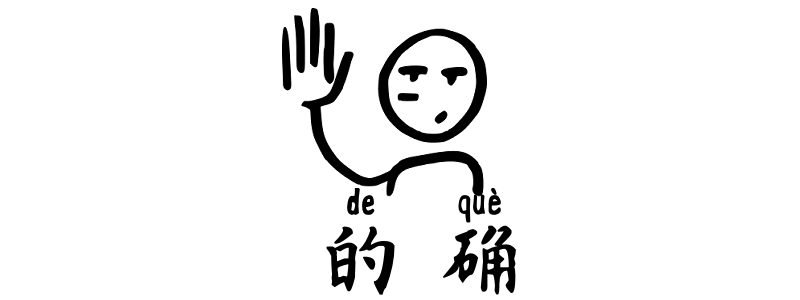
Indeed 2 díquè Grammar
Grammar Point: 的確的确 díquè is a commonly used phrase in Chinese that means “indeed” or “certainly”. It is often used to express agreement or confirmation of a fact or statement. Structure 的確确 díquè + Statement 的確的确 díquè is used to re-affirm the truth or accuracy of a statement previously presented, and to indicate that there…
Types of Yoga in Chinese
種种 OneDotDot Chinese · Vocabulary Yoga Types in Chinese 瑜珈yújiā種類zhǒnglèi瑜伽yújiā种类zhǒnglèi Thirteen yoga styles you’ll see on a studio schedule, a quick guide to picking one that matches what you’re after, and the phrases that actually get used in class — both what your instructor says and what you might need to say back. Tap the…
Earthquake Related Chinese
災灾 OneDotDot Chinese · Vocabulary Earthquake Related Chinese 地震dìzhèn中文zhōngwén地震dìzhèn中文zhōngwén Earthquakes are a fact of life in both Taiwan and China. Here are the sentences you’d actually use to check on someone (or reassure them), followed by the vocabulary that comes up in the news, in disaster-relief coverage, and in getting prepared beforehand — every word…
既然 jìrán Grammar
OneDotDot Chinese Grammar · HSK 4 Grammar Point · HSK 4 既然 jìrán — “Since / Now That” 既然 jìrán is a conjunction that can be translated as “since” or “now that.” It implies the speaker has acknowledged a situation — usually one that’s already a fact — and is now making a suggestion or…

究竟 jiùjìng Grammar
Grammar Point:The adverb 究竟 jiùjìng is very similar to the first function of 到底 dàodǐ. It expresses the speaker’s desire to find out the truth or the actual situation. 究竟 jiùjìng is more formal, while 到底 dàodǐ is more colloquial. Structure 究竟 jiùjìng + Question Word This structure is used to express a question that…
Expressing the Unexpected 1 – 竟然 jìngrán
OneDotDot Chinese Grammar · HSK 4 Grammar Point · HSK 4 竟然 jìngrán — “Surprisingly” 竟然 jìngrán is an adverb of surprise or disbelief at an unexpected outcome. In English it usually isn’t translated word-for-word — the surprise comes through in tone instead. It always follows the subject, and it can shorten to 竟 jìng…
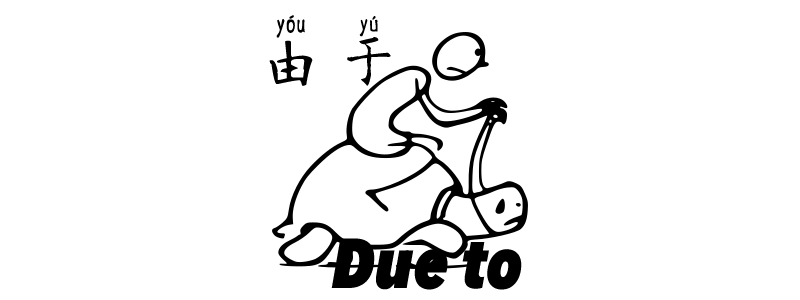
Due to – 由於/由于 yóuyú
Grammar Point:You can simply translate “由於于 yóuyú” into “due to” in English. It is often used at the beginning of a sentence to introduce the cause or reason for something that has happened. Structure 由於于 yóuyú + cause,effect Unlike the 因為为 yīnwèi, which indicates a direct cause-and-effect relationship between two things, the 由於于 yóuyú structure…
Because and so in Chinese – yīnwèi and suǒyǐ
OneDotDot Chinese Grammar · HSK 2 Grammar Point · HSK 2 因為 yīnwèi因为 yīnwèi & 所以 suǒyǐ所以 suǒyǐ — “Because” & “So” 因為 yīnwèi因为 yīnwèi introduces a reason, and 所以 suǒyǐ所以 suǒyǐ introduces the result. In Chinese, the two almost always travel together in the same sentence. When you explain why something happened, Chinese usually…