OneDotDot Chinese Grammar · HSK 6 Grammar Point · HSK 6 才才 cái — “Harder” 才才 cái can be used to express that something happened harder, later, or with more effort than expected. It’s often used to emphasize the delay or unexpectedness of a certain event or situation. The first clause names the effort —…
Author: tiffany
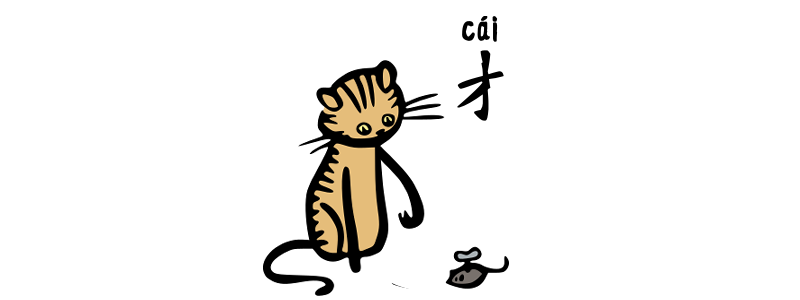
才 cái – Disagreement
Grammar Point:The word 才 cái in Chinese can be used in many ways, and one of its functions is to indicate a contrast or disagreement with a previous statement or assumption. When used in this way, 才 cái is often translated as “at all.” Structure Statement + 才 cái + Neg- A: 台灣Táiwān物價wùjià那麼nàme便宜biànyí, 你們nǐmen應該yīnggāi很hěn幸福xìngfú吧ba! A:…
Only 才 cái Grammar
Grammar Point:In Chinese, the word 才 cái can be used to indicate that something is less than expected or insufficient. It is often used to express the speaker’s surprise or dissatisfaction that the quantity or degree is smaller than anticipated. Structure S + 才 cái + V + O 你nǐ去qù超市chāoshì去qù了le2 個ge小時xiǎoshí, 你nǐ才cái買mǎi了le一yì瓶píng水shuǐ嗎ma? 你nǐ去qù超市chāoshì去qù了le2 个ge小时xiǎoshí, 你nǐ才cái买mǎi了le一yì瓶píng水shuǐ吗ma?…
Synonym of Just in Chinese
剛 · 剛才 · 剛剛 — 近義詞辨析 Similar words 剛刚 gāng · 剛才刚才 gāngcái · 剛剛刚刚 gānggāng Three ways to say “just” in Mandarin — and the grammar that tells them apart. The words 剛刚 gāng, 剛剛刚刚 gānggāng, and 剛才刚才 gāngcái are all used to indicate an action that has just happened a short while…
Just 才 cái Grammar
Grammar Point:In Chinese grammar, 才 cái is used to express that an action has “just” happened. It is commonly used with other words that indicate “just,” such as 剛刚剛刚 gānggāng or 剛刚 gāng. Structure S + 才 cái + V 你nǐ怎麼zěnme才cái來lái就jiù要yào走zǒu? 你nǐ怎么zěnme才cái来lái就jiù要yào走zǒu? He just woke up, let’s wait for a moment. 他tā剛剛gānggāng才cái起床qǐcháig, 讓ràng我們wǒmen等一下děngyìxià他tā刚刚gānggāng才cái起床qǐcháig, 让ràng我们wǒmen等一下儿děngyìxiàrHe just…
Lateness 才 cái Grammar
Grammar Point:才 cái has the function of indicating an occurrence that happened later or slower than expected. It can also be used to express “as late as” or “not until” in English. Structure S + Time word + 才 cái + V 不好意思bùhǎoyìsi, 你們nǐmen先xiān吃chī吧ba! 我wǒ大概dàgài八bā點diǎn才cái會huì到dào不好意思bùhǎoyìsi, 你们nǐmen先xiān吃chī吧ba! 我wǒ大概dàgài八bā点diǎn才cái会huì到dàoSorry, you go ahead and eat first! I probably…
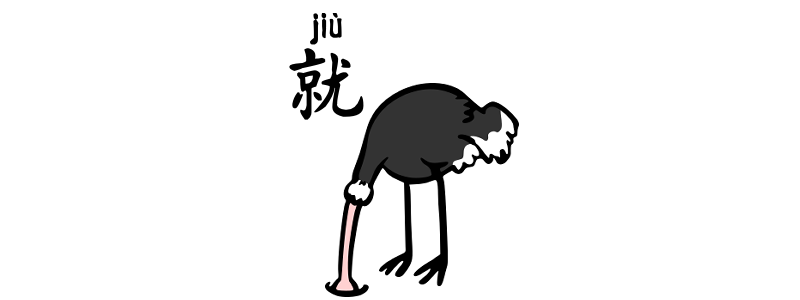
就 jiù – Giving an exception
Grammar Point:In this usage, 就 jiù emphasizes the exception or the unusualness of the situation. It is often used to express surprise or to draw attention to the exception. Structure The exception + 就 A: 為什麼wèishénme外國人wàiguórén都dōu不bù敢gǎn吃chī臭豆腐chòudòufǔ? A: 为什么wèishénme外国人wàiguórén都dōu不bù敢gǎn吃chī臭豆腐chòudòufu? Why do foreigners dare not eat stinky tofu? B: 我wǒ就jiù敢gǎn吃chī啊aB: 我wǒ就jiù敢gǎn吃chī啊aAs for me, I dare to eat…
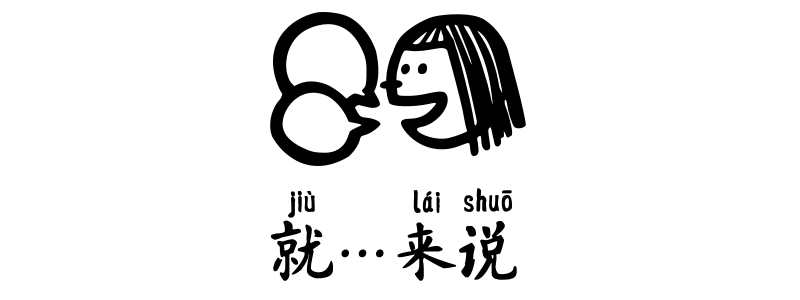
就 jiù – With regard to
Grammar Point:The word 就 jiù has several meanings in Chinese, and one of its uses is to indicate “with regard to” or “in terms of”. In this sense, it is often used to introduce a topic or a specific aspect of something that is being discussed. Structure S + 就 + Topic + VO It…
Easier 就 jiù Grammar
Grammar Point:In Chinese, 就 jiù can be used to express that something happens easier than expected. It is often used in a positive way to indicate a pleasant surprise or an unexpected result. Structure S + 就 jiù + Unexpected result It is often combined with 没想到 méixiǎngdào or 想不到 xiǎngbùdào to express the speaker’s…
Only 就 jiù Grammar
Grammar Point:In Chinese grammar, 就 jiù can be used as an adverb to indicate “only” or “just” in a sentence. This usage of 就 jiù can be called “small quantity” because it is used to emphasize a small quantity or a small degree of something. Structure S + 就 jiù + V + O 我wǒ就jiù喝hē了le一yì杯bēi水shuǐ我wǒ就jiù喝hē了le一yì杯bēi水shuǐI…