OneDotDot Chinese Grammar · HSK 1 Grammar Point · HSK 1 先 xiān ··· 再 zài ··· The grammar structure 先 xiān…再 zài… is used to express a sequence of actions, indicating that one action happens before another. 先 xiān means “first” or “before,” indicating the action that happens first. 再 zài means “then” or…
Author: tiffany
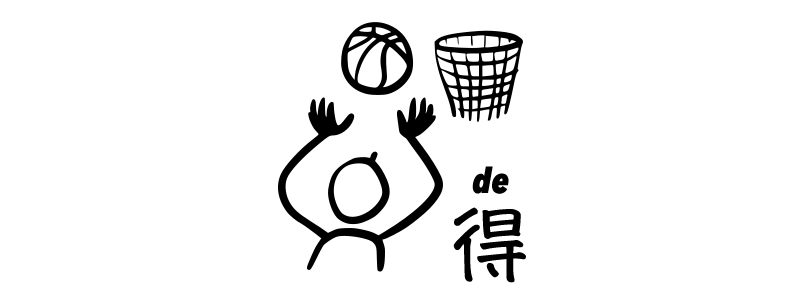
得 de Grammar
Grammar Point:The verb modifier 得 de comes between the verb and the complement, describing the result or state of the action represented by the verb. Structure V + 得 de + Adj. In Mandarin Chinese, the results always come after the actions. 你nǐ走zǒu得de很hěn快kuài你nǐ走zǒu得de很hěn快kuàiYou’re walking fast. 他tā睡shuì得de非常fēicháng好hǎo他tā睡shuì得de非常fēicháng好hǎoHe slept very well. 媽媽māma說shuō得de不bù清楚qīngchǔ妈妈māma说shuō得de不bù清楚qīngchuMom didn’t speak clearly. 你nǐ做zuò得de很hěn好hǎo你nǐ做zuò得de很hěn好hǎoYou did…
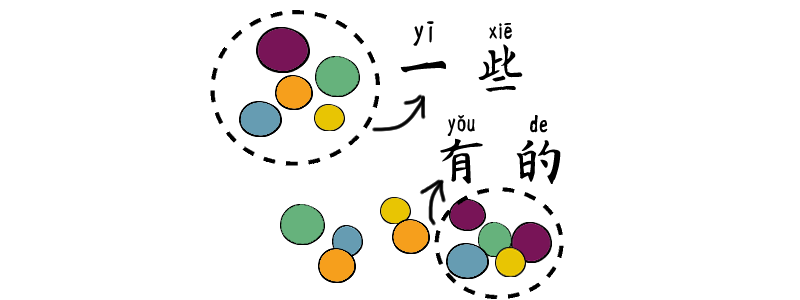
Some and Some of in Chinese
Grammar Point:In Chinese, the words “some,” “some of,” and “others” can be translated as follows: Structure 一些 yìxiē + N One thing you need to know is that there is no negation form for this structure. Also, in spoken Chinese, it is possible to drop the word 一 yī. 我wǒ有yǒu一些yìxiē中國Zhōngguó朋友péngyǒu我wǒ有yǒu一些yìxiē中国Zhōngguó朋友péngyouI have some Chinese friends. 我wǒ想xiǎng買mǎi一些yìxiē水果shuǐguǒ我wǒ想xiǎng买mǎi一些yìxiē水果shuǐguǒI…
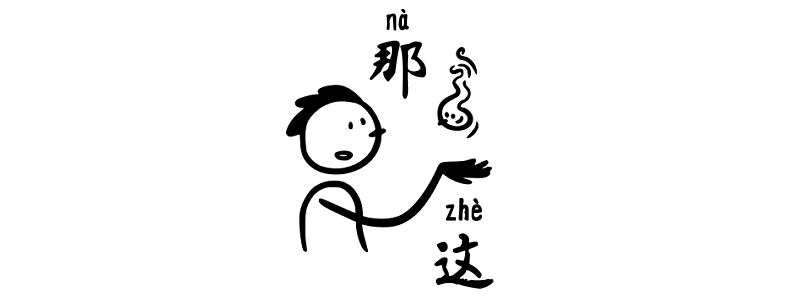
This and That in Chinese
Grammar Point:The terms “here” and “there” in Chinese can be translated as follows: Structure 這/这 or 那 + Measure Word + N In colloquial and informal contexts, it is possible to drop the measure word. 這zhè個ge蛋糕dàngāo真zhēn好吃hǎochī这zhè个ge蛋糕dàngāo真zhēn好吃hǎochīThis cake is delicious. 那nà位wèi老師lǎoshī很hěn討厭tǎoyàn那nà位wèi老师lǎoshī很hěn讨厌tǎoyànThat teacher is annoying. 這zhè是shì我的wǒde嗎ma? 这zhè是shì我的wǒde吗ma? Is this mine? 那nà人rén好hǎo漂亮piàoliàng! 那nà人rén好hǎo漂亮piàoliang! That person is so beautiful!…
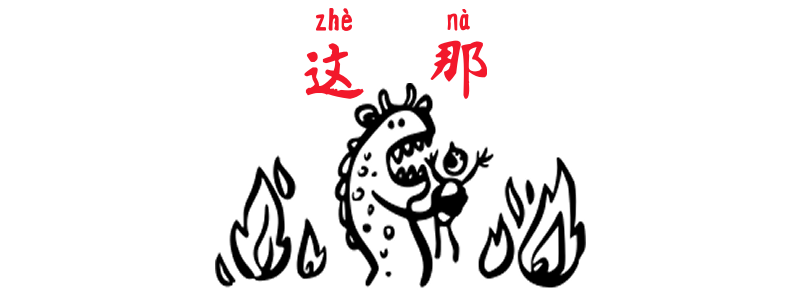
Here and There in Chinese
Grammar Point:The terms “here” and “there” in Chinese can be translated as follows: Structure These words indicate location and can be used to specify a place or refer to a position relative to the speaker. 這兒这儿 zhèr and 那兒儿 nàr are more colloquial and informal versions. In Taiwan, the 兒儿 er is usually dropped. 這裡zhèlǐ有yǒu一yì隻zhī可愛kěài的de小xiǎo狗gǒu这里zhèlǐ有yǒu一yì只zhī可爱kěài的de小xiǎo狗gǒuHere…
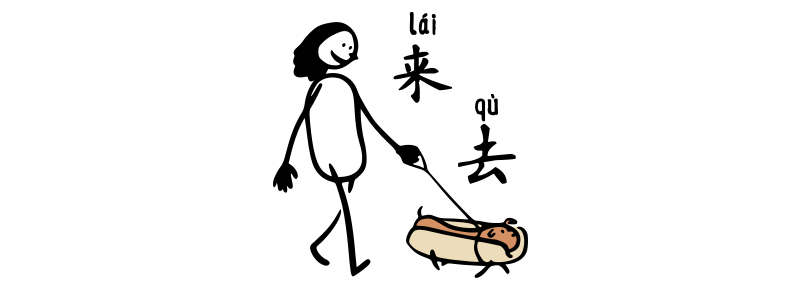
Come and Go in Chinese
OneDotDot Chinese Grammar · HSK 1 Grammar Point · HSK 1 來来 lái and 去 qù 來来 lái means “come,” and 去 qù means “go” — the choice between them depends entirely on where the speaker is standing. The good news: this one comes down to a single question — is the action moving toward…
“Together” in Chinese
OneDotDot Chinese Grammar · HSK 2 Grammar Point · HSK 2 一起 yìqǐ and 一塊 yíkuài一块儿 yíkuàir The word “together” in Chinese can be translated as 一起 yìqǐ or 一塊 yíkuài一块儿 yíkuàir. Both terms convey doing something in a shared or collective manner. The subject must be in plural form (e.g., using a plural pronoun…
Wèi and wèile Practice
Grammar Practice · Purpose & Benefit 為为 wèi vs 為了为了 wèile Practice 為为 wèi marks who or what an action is for — the beneficiary or target (“for you,” “for my sake”). 為了为了 wèile marks the purpose behind an action — the goal that motivates it (“in order to,” “for the sake of achieving X”)….
“For” in Chinese 2 – 為/为 wèi
OneDotDot Chinese Grammar · HSK 3 Grammar Point · HSK 3 為为 wèi 2 — “Purpose or Benefit” 為为 wèi has many functions in Mandarin Chinese. In this article, we’ll focus on how 為为 wèi marks the person or thing that benefits from an action, and how it compares to 為了为了 wèile. 為为 wèi can…
“For” in Chinese 1 – 為/为 wèi
OneDotDot Chinese Grammar · HSK 3 Grammar Point · HSK 3 為为 wèi 1 — “For, Because Of” 為为 wèi has many functions in Mandarin Chinese. In this article, we’ll focus on how 為为 wèi expresses the reason or motivation behind an action — the “because of” sense of “for.” Whenever the reason behind an…