Vocabulary · Beginner語彙・初級어휘 · 초급 Verbs動詞동사 — 動詞 1 17 common verbs grouped by theme, each with example VO (verb + object) collocations.テーマ別の動詞17個と、それぞれのVO(動詞+目的語)例です。주제별로 묶은 동사 17개와 각각의 VO(동사+목적어) 예시입니다. EN 日本語 한국어 Verbs動詞동사 Eating, Drinking & Resting食べる・飲む・休む먹고 마시고 쉬기 吃chīeat食べる먹다 VO 吃飯chīfàn吃饭chīfàneat a mealご飯を食べる밥을 먹다 吃chī牛肉麵niúròumiàn牛肉面niúròumiàneat beef noodles牛肉麺を食べる소고기 국수를 먹다 吃chī小籠包xiǎolóngbāo小笼包xiǎolóngbāoeat soup dumplings小籠包を食べる샤오롱바오를 먹다 喝hēdrink飲む마시다…
Author: tiffany
Adjectives – 형용사 – 形容詞
Vocabulary · Beginner語彙・初級어휘 · 초급 Adjectives形容詞형용사 — 形容詞 Eight opposite adjective pairs, degree adverbs, and a few example sentences.8組の反対の形容詞、程度副詞、例文です。여덟 쌍의 반대 형용사, 정도 부사, 예문입니다. EN 日本語 한국어 Opposite Pairs反対語のペア반대말 쌍 長cháng长cháng Long長い길다 ↔ 短duǎn Short短い짧다 高gāo Tall高い높다 ↔ 矮ǎi Short低い작다 胖pàng Fat太る뚱뚱하다 ↔ 瘦shòu Thin痩せる날씬하다 快kuài Fast速い빠르다 ↔ 慢màn Slow遅い느리다 貴guì贵guì Expensive高い비싸다 ↔ 便宜piányí…
“Usually” and “sometimes” in Chinese
OneDotDot Chinese Grammar · HSK 3 Grammar Point · HSK 3 常常 chángcháng / 有時有时 yǒushí — “Usually” and “Sometimes” To talk about how often something happens, Chinese reaches for 常常 chángcháng (“often”), 常 cháng (“often,” negatable), and 有時有时 yǒushí (“sometimes”) — three close cousins with different rules. All three sit before the verb, and…
Immediately in Chinese
OneDotDot Chinese Grammar · HSK 3 Grammar Point · HSK 3 馬马上 mǎshàng — “Immediately” 馬马上 mǎshàng is an adverb in Chinese that translates to “immediately” or “right away” in English. 馬马上 mǎshàng conveys a sense of urgency and suggests that something will happen or be done without delay. Place it directly before the verb!…
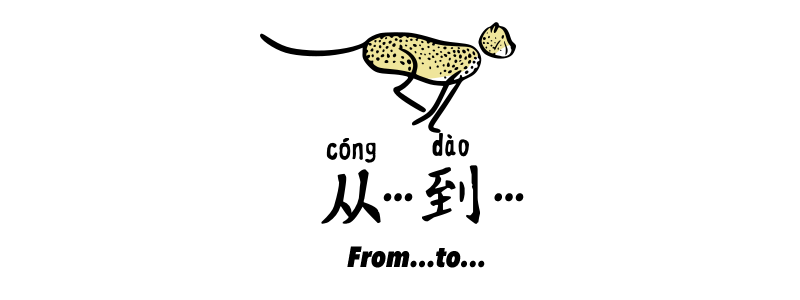
“From” in Chinese “cóng”
Grammar Point:In Chinese, the word 從从 cóng can be used as a preposition to indicate the origin or starting point of something. It is often translated as “from” in English. Structure 從/从 cóng + place or time 你nǐ從cóng哪裡nǎlǐ來lái? 你nǐ从cóng哪里nǎlǐ来lái? Where are you from? 我wǒ從cóng台灣Táiwān來lái我wǒ从cóng台湾Táiwān来láiI’m from Taiwan. 她tā從cóng八點bādiǎn開始kāishǐ上課shàngkè她tā从cóng八点bādiǎn开始kāishǐ上课shàngkèShe starts her class at eight o’clock. 我wǒ從cóng2010 年nián開始kāishǐ教jiāo中文zhōngwén我wǒ从cóng2010…
Hobbies – 취미 – 趣味
Vocabulary · Beginner語彙・初級어휘 · 초급 Hobbies趣味취미 — 趣味 Verb + object hobby phrases, plus a few self-introduction sentences.動詞+目的語の趣味フレーズと、自己紹介の例文です。동사+목적어 취미 표현과 자기소개 예문입니다. EN 日本語 한국어 Hobby Phrases趣味のフレーズ취미 표현 Verb動詞동사看kàn Object目的語목적어書shū书shū 看書kànshū看书kànshū Read books本を読む책 읽기 Verb動詞동사看kàn Object目的語목적어電視diànshì电视diànshì 看kàn電視diànshì电视diànshì Watch TVテレビを見る텔레비전 보기 Verb動詞동사看kàn Object目的語목적어電影diànyǐng电影diànyǐng 看kàn電影diànyǐng电影diànyǐng Watch movies映画を見る영화 보기 Verb動詞동사聽tīng听tīng Object目的語목적어音樂yīnyuè音乐yīnyuè 聽tīng听tīng音樂yīnyuè音乐yīnyuè Listen to music音楽を聴く음악 듣기 Verb動詞동사唱chàng Object目的語목적어歌gē…
Time – 시간 – 時間
Vocabulary · Beginner語彙・初級어휘 · 초급 Time時間시간 — 時間 Telling time, durations, and the different periods of the day.時刻の言い方、時間の長さ、一日の時間帯についてです。시각 말하기, 시간의 길이, 하루의 시간대에 대한 내용입니다. EN 日本語 한국어 Time Words時間の言葉시간 단어 點diǎn点diǎn hour (o’clock)時시 分fēn minute分분 半bàn half半반 小時xiǎoshí小时xiǎoshí hour (duration)時間시간 分鐘fēnzhōng分钟fēnzhōng minute (duration)分분 現在xiànzài现在xiànzài now現在지금 Sentences例文예문 現在xiànzài现在xiànzài幾jǐ几jǐ點diǎn点diǎn? What time is it now? 現在何時ですか? 지금…
Day – 날짜 – 日付
Vocabulary · Beginner語彙・初級어휘 · 초급 Day日付날짜 — 日期 Dates, relative days and years, birthdays, ages, and the days of the week.日付、相対的な日や年、誕生日、年齢、曜日についてです。날짜, 상대적인 날과 해, 생일, 나이, 요일에 대한 내용입니다. EN 日本語 한국어 Date Words日付の言葉날짜 단어 年nián Year年년 月yuè Month月월 號hào号hào Day日일 Relative Days相対的な日상대적인 날 大前天dà qiántiān 2 days before yesterday昨々日그그저께 前天qiántiān The day before yesterdayおととい그저께…
Numbers – 숫자 – 数字
Vocabulary · Beginner語彙・初級어휘 · 초급 Numbers数字숫자 — 數字数字 Digits 0–9, two-digit numbers, and asking for a phone number.0〜9の数字、二桁の数、電話番号の聞き方です。0~9 숫자, 두 자리 수, 전화번호 묻기입니다. EN 日本語 한국어 Digits & Units数字と位숫자와 단위 0零líng 1一yī 2二èr 3三sān 4四sì 5五wǔ 6六liù 7七qī 8八bā 9九jiǔ 100百bǎi 1,000千qiān 10,000萬wàn万wàn Two-digit Numbers二桁の数두 자리 수 10十shí 11十一shíyī 12十二shí’èr 14十四shísì 20二十èrshí 21二十一èrshíyī 25二十五èrshíwǔ…
Countries – 국가 – 国
Vocabulary · Beginner語彙・初級어휘 · 초급 Countries国나라 — 國家国家 Country, nationality, and language words, plus a few self-introduction sentences.国名、国籍、言語の単語と、自己紹介の例文です。국가, 국적, 언어 단어와 자기소개 예문입니다. EN 日本語 한국어 Countries, People & Languages国・人・言語국가·사람·언어 Country国국가台灣Táiwān台湾Táiwān People人사람台灣人Táiwānrén台湾人Táiwānrén Language言語언어中文zhōngwén Country国국가中國zhōngguó中国zhōngguó People人사람中國人Zhōngguórén中国人Zhōngguórén Language言語언어中文zhōngwén Country国국가英國yīngguó英国yīngguó People人사람英國人yīngguórén英国人yīngguórén Language言語언어英文yīngwén Country国국가美國měiguó美国měiguó People人사람美國人měiguórén美国人měiguórén Language言語언어英文yīngwén Country国국가日本rìběn People人사람日本人rìběnrén Language言語언어日文rìwén Country国국가西班牙xībānyá People人사람西班牙人xībānyárén Language言語언어西班牙文xībānyáwén Language言語언어西文xīwén Country国국가德國déguó德国déguó People人사람德國人déguórén德国人déguórén Language言語언어德文déwén Country国국가韓國hánguó韩国hánguó People人사람韓國人hánguórén韩国人hánguórén Language言語언어韓文hánwén韩文hánwén…