症状与中医 · Chinese Vocabulary
Symptoms in Chinese
症状 zhèngzhuàng
A plain list of symptoms is dull on its own, so this one comes with the Traditional Chinese Medicine logic behind each group — how it explains what’s going wrong, and what’s traditionally done about it.
The idea behind most of it
Two phrases sum up how TCM explains almost any kind of pain: 不通则痛 — “no flow, then pain,” meaning a blocked meridian is disrupting circulation — and 不荣则痛 — “no nourishment, then pain,” meaning an organ isn’t getting what it needs. Most of the explanations below are a variation on one of these two ideas.
Where it hurts
疼痛 — Aches
止痛药 — not as easy to buy as you’d think
Taiwan regulates over-the-counter painkillers fairly tightly, so a regular pharmacy will usually only stock about three kinds: Acetaminophen, and Nonsteroidal Anti-Inflammatory Drugs, NSAIDs — which covers 阿斯匹灵 āsīpōlíng (Aspirin) and 布洛芬 bùluòfēn (Ibuprofen). Almost anything stronger than that simply isn’t available without a prescription.
How TCM treats pain
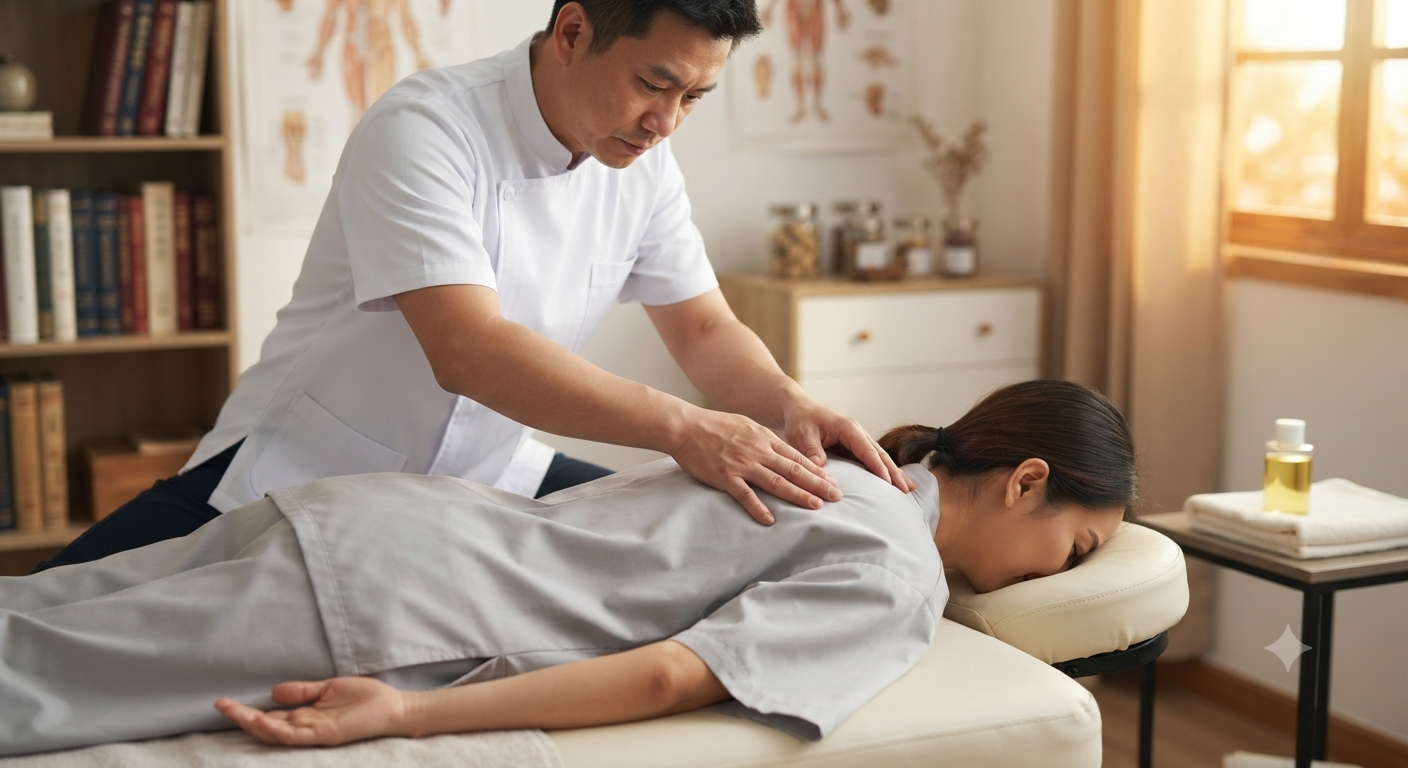
- 推拿 tuīná — tui na, a form of therapeutic massage that loosens muscles and eases stiffness.
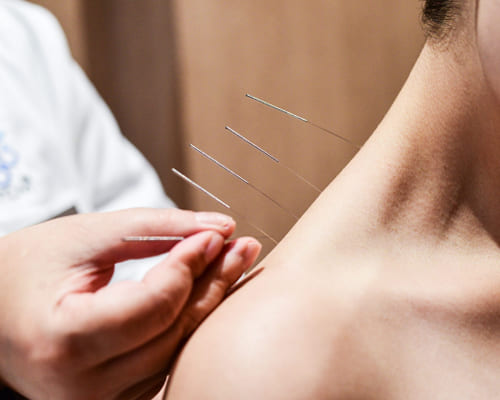
- 针灸 zhēnjiǔ — acupuncture, often literally “needling where it hurts,” sometimes paired with moxibustion (burning a dried herb near the skin) for warmth and circulation.
- Herbal formulas prescribed to move qi, invigorate blood flow, and clear the meridians.
- Herbal fumigation — steaming the affected area with a medicinal herb blend.
Above the neck
鼻喉 — Nose & Throat
Two stages of a cough get different remedies
Early on — sore throat, fever, thick yellow phlegm — tofu and pear juice are common home remedies, alongside herbal teas. Later — a dry, itchy throat with little phlegm — Asian pear stewed with rock sugar, or a soup of fresh lily bulb, white fungus, and lotus seed, is meant to moisten the throat instead of clearing it out. Either way, oily, sweet, spicy, and fried food is considered the thing to avoid.
Digestion & mood
肠胃 — Stomach
Why mood ends up on a digestion page
In TCM’s Five Elements framework, the Liver is linked to Wood and the Stomach/Spleen to Earth — and Wood is said to act directly on Earth. In plain terms: stress and unsettled emotion disrupt “Liver Qi,” which then throws off digestion. It’s the traditional reasoning behind advice that sounds almost too simple — stay calm at meals and sleep well, and your stomach will thank you.
Everything else
其他 — Others
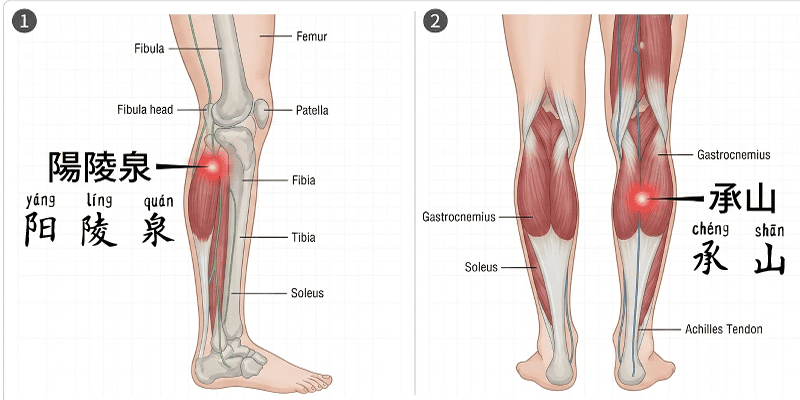
There’s a specific spot for cramps
Muscle cramps are traditionally blamed on “Liver Blood deficiency” — the muscles aren’t getting enough nourishment. Beyond herbal medicine and acupuncture, one specific acupressure point gets singled out: 承山穴 chéngshān xué, in the middle of the back of the calf, pressed during an active cramp. For general upkeep, 阳陵泉穴 yánglíngquán xué — just below the outer knee — is the one people massage regularly. A warm foot soak, water about 40°C and deep enough to cover well above the ankles, is the other standard piece of advice for easing cramps and sleeping better.