Grammar Point:The phrase 大概 dàgài is used in Chinese to express a sense of uncertainty or probability. It is commonly used to convey the idea that something might be the case but isn’t certain. Structure S + 大概 dàgài + V 你nǐ大概dàgài明天míngtiān8 點diǎn打dǎ給gěi我wǒ你nǐ大概dàgài明天míngtiān8 点diǎn打dǎ给gěi我wǒYou’ll probably call me around 8 o’clock tomorrow. 昨天zuótiān的de派對pàiduì大概dàgài有yǒu3 成chéng的de外國人wàiguórén昨天zuótiān的de派对pàiduì大概dàgài有yǒu3 成chéng的de外国人wàiguórénYesterday’s party…

Author: tiffany
“Since” in Chinese – Zìcóng
Grammar Point:自從从 zìcóng is a Chinese grammar structure used to indicate the starting point of an action or a state and emphasize the continuity or change that has occurred since that point. It’s similar to the English phrase “since” or “ever since.” Structure 自從/自从 + Starting Point + Verb/Action It can be followed by phrases…
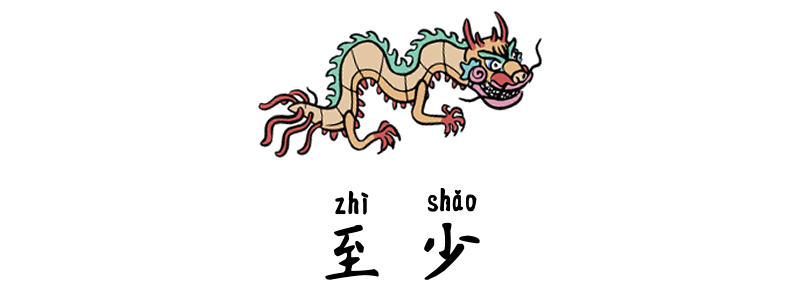
At the least – zhìshǎo
Grammar Point:至少 zhìshǎo is a Chinese adverb that is commonly used to express the minimum or lowest quantity or degree of something. It indicates the smallest amount or level required or expected. Structure S + 至少 + V 我們wǒmen至少zhìshǎo需要xūyào五wǔ個ge人rén參加cānjiā這個zhège活動huódòng我们wǒmen至少zhìshǎo需要xūyào五wǔ个ge人rén参加cānjiā这个zhège活动huódòngWe need at least five people to participate in this event. 他tā至少zhìshǎo應該yīnggāi打dǎ個ge電話diànhuà告訴gàosù我wǒ他tā至少zhìshǎo应该yīnggāi打dǎ个ge电话diànhuà告诉gàosu我wǒHe should at least call me…
Typhoon Related Chinese
颱風/台风 táifēng Taiwan is prone to being affected by typhoons, especially during the typhoon season, which typically runs from June to October. We experience an average of about 3 to 4 typhoons making landfall each year. 天氣預報/天气预报 tiānqì yùbào 天氣預報天气预报 tiānqì yùbào translates to “weather forecast” in English. It refers to the prediction and reporting…
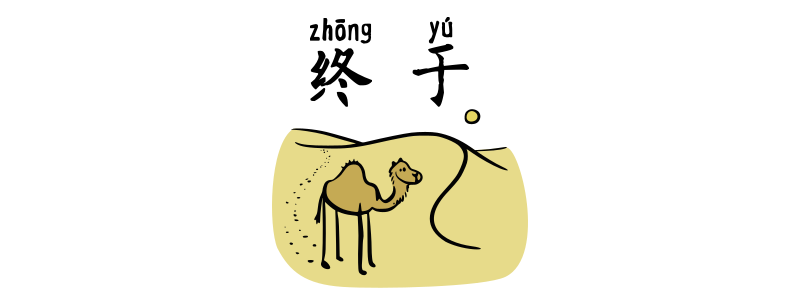
“Finally” in Chinese 1 – zhōngyú
Grammar Point:終於终于 zhōngyú is a commonly used Chinese adverb that expresses the meaning of “finally” or “at last.” It is used to indicate that something anticipated or expected has happened after a long wait, effort, or delay. Structure S + 終於于 + Verb or Verb Phrase + 了 It is often used with past tense…
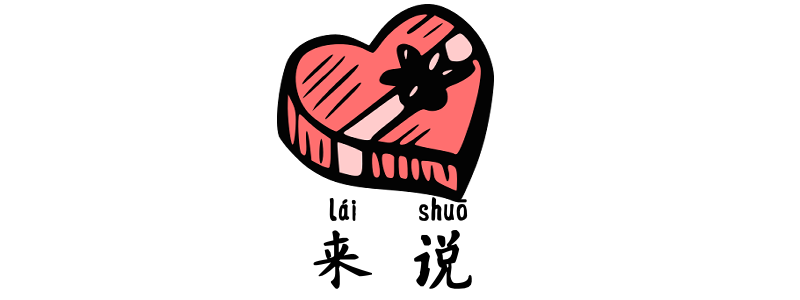
Express opinions with 来说 láishuō
Grammar Point:The phrase “對对 duì…來說来说 láishuō ” is a structure in Chinese that allows speakers to express their opinions or judgments about various topics, highlighting their subjective perspective on the matter at hand. Structure 對对 duì + S + 來說来说 láishuō 對duì台灣人Táiwānrén來說láishuō, 英文yīngwén發音fāyīn真的zhēnde很hěn難nán对duì台湾人Táiwānrén来说láishuō, 英文yīngwén发音fāyīn真的zhēnde很hěn难nánFor Taiwanese people, English pronunciation is really difficult. 對duì我wǒ來說láishuō, 教jiào中文zhōngwén是shì一件yíjiàn有yǒu趣qù的de事shì对duì我wǒ来说láishuō, 教jiào中文zhōngwén是shì一件yíjiàn有yǒu趣qù的de事儿shìrFrom my…
朝 cháo & 沿(着) yán(zhe) in Chinese
OneDotDot Chinese Grammar · HSK 5 Grammar Point · HSK 5 Showing Direction 3 — 朝朝 cháo & 沿沿(著着) yán(zhe) 朝朝 cháo shows which way something faces or moves, while 沿著沿着 yánzhe shows movement along a path. Both sound a bit more formal and literary than 往往 wǎng or 向向 xiàng. Think of 朝朝 cháo…
往 wǎng, and 從/从 cóng in Chinese
OneDotDot Chinese Grammar · HSK 2 Grammar Point · HSK 2 Showing Direction 1 — 從从 cóng & 往往 wǎng 往往 wǎng shows the direction of movement or the destination (“towards,” “to”), while 從从 cóng marks the starting point in place or time (“from,” “since”). They often team up: 從从 cóng + starting point +…
Chinese Marking the Object – 给 gěi
OneDotDot Chinese Grammar · HSK 2 Grammar Point · HSK 2 給给 gěi — marking the object In Chinese, 給给 gěi also has several meanings depending on context, but as a preposition it means “to” or “for” — introducing the person an action is done for or directed at. The good news: 給给 gěi can…
Approximate Numbers 1 – 多 duō
OneDotDot Chinese Grammar · HSK 2 Grammar Point · HSK 2 Approximate Numbers 1Number + 多 duō — “More Than” In Chinese grammar, 多 duō can be used to express a number in excess of a certain amount by adding it after the number. It is translated as “more than…” or “over…” in English. Where…