Feelings in Chinese — OneDotDot Chinese (Redesign) 心心情情與与情情緒绪 · Chinese Vocabulary Feelings in Chinese 心心情情 Twenty-five words for how you might be feeling — plus a look at why, in Chinese-speaking culture, actually saying most of them out loud is rarer than you’d think. Before the list 心心情情與与情情緒绪 xīnqíng yǔ qíngxù — Mood & Emotion…
Author: tiffany
二 èr and 兩 liǎng
Numbers 二 èr vs 兩两 liǎng Both 二 and 兩 mean “two,” but they’re not interchangeable. The easiest way to remember it: 兩两 means “a quantity of two” and goes right before a measure word — everywhere else, use 二. 一 The Core Rule If a measure word follows, use 兩两. If you’re just counting,…
Have and has in Chinese – 有 yǒu
Grammar Point 有 yǒu 有 means “to have” or “to possess.” Since Chinese verbs never change form, the same 有 can be translated as “have,” “has,” or “had” depending on context. It also has one big quirk: it’s the one verb that refuses to be negated with 不. 一 Subject + 有 + Object The…

“Originally” in Chinese – běnlái
Grammar Point:The Chinese word 本來来 běnlái is an adverb that is used to indicate the original of something, and it’s often translated as “originally,” “initially,” or “origin.” Structure S + běnlái + V 他tā本來běnlái是shì一名yìmíng工程師gōngchéngshī, 後來hòulái轉行zhuǎnxíng當dāng老師lǎoshī他tā本来běnlái是shì一名yìmíng工程师gōngchéngshī, 后来hòulái转行zhuǎnxíng当dāng老师lǎoshīHe was originally an engineer but later switched to become a teacher. 你nǐ本來běnlái打算dǎsuàn去qù哪裡nǎlǐ度假dùjià? 你nǐ本来běnlái打算dǎsuàn去qù哪里nǎlǐ度假dùjià? Where did you originally plan to…
Chinese Noun Modifier 的 de
Grammar Point 的 de 的 links a describing word to a noun — it can show who owns something, or attach an adjective or a whole verb phrase to a noun. The trickiest part isn’t 的 itself, but getting the word order right. 一 Structure Whatever is doing the describing goes before 的, and the…
Express all and both with 都 dōu
Grammar Point 都 dōu 都 means “all” or “both.” It goes right before the verb or adjective to show that more than one person or thing is involved. One rule to remember above everything else: a Chinese sentence never starts with 都. 一 Structure Subject + 都 + Verb / Adjective 他們tāmen都dōu會huì說shuō中文zhōngwén他们tāmen都dōu会huì说shuō中文zhōngwén They all can…
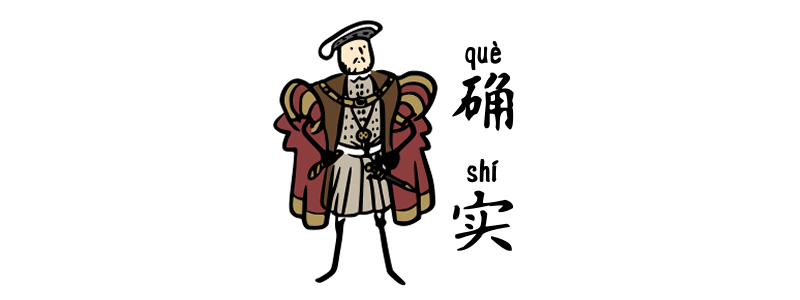
“Indeed” in Chinese 1 – quèshí
Grammar Point:The word 確實确实 quèshí in Chinese is an adverb that means “indeed” or “truly.” It is often used to emphasize the truth or accuracy of a statement. Structure S + 確實确实 quèshí + Statement 他tā確實quèshí很hěn聰明cōngmíng他tā确实quèshí很hěn聪明cōngmíngHe is indeed very intelligent. 我wǒ確實quèshí不bù喜歡xǐhuān他tā我wǒ确实quèshí不bù喜欢xǐhuan他tāI truly do not like him. 我wǒ確實quèshí沒méi收到shōudào你的nǐde錢qián我wǒ确实quèshí没méi收到shōudào你的nǐde钱qiánI indeed did not receive your money. 確實quèshí有yǒu這zhè件jiàn事shì确实quèshí有yǒu这zhè件jiàn事shìThere is…

“Please” in Chinese – qiānwàn
Grammar Point:The Chinese word 千萬万 qiānwàn is an idiomatic expression that is often used to convey a sense of urgency, or strong advice. It can be translated in different ways depending on the context, but it generally carries the idea of “please” in English. Structure Qiānwàn + Neg + V When someone uses 千萬万 qiānwàn…
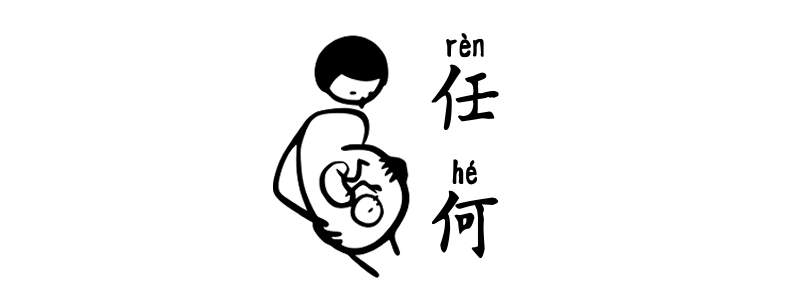
“Any” in Chinese – rènhé
Grammar Point:The Chinese word 任何 rènhé is a common phrase used in the language and can be translated to “any” or “whatever” in English. Structure 任何 rènhé + N + (都) 沒想到méixiǎngdào你nǐ和hé十年shínián前qián一模一樣yìmóyíyàng沒有méiyǒu任何rènhé改變gǎibiàn没想到méixiǎngdào你nǐ和hé十年shínián前qián一模一样yìmóyíyàng没有méiyǒu任何rènhé改变gǎibiànI didn’t expect that you haven’t changed at all in the past ten years. 我wǒ明天míngtiān都dōu在zài家jiā, 所以suǒyǐ任何rènhé時間shíjiān都dōu歡迎huānyíng你nǐ來lái我wǒ明天míngtiān都dōu在zài家jiā, 所以suǒyǐ任何rènhé时间shíjiān都dōu欢迎huānyíng你nǐ来láiI’ll be at home all day tomorrow, so…
Numbers in Chinese and tone changes for 1
Numbers Numbers in Chinese Chinese numbers follow a clean, predictable pattern once you know the ten basic digits. The tricky part is 一 yī — its own tone quietly changes depending on where it sits and what comes after it. 一 Basic Numerals The ten digits from 0 to 9. Tap 🔊 to hear each…