Skip to content

OneDotDot Chinese

Learn a little Chinese every day

Menu
  • Vocabulary
  • Grammar
  • Resources
  • Practice
  • Shop
Menu

Chinese Adjectives and 很 hěn

Posted on September 12, 2023September 9, 2026 by tiffany

Table of Contents

Toggle
  • 一 What Are Chinese Adjectives?
  • 二 No “To Be” — But You Still Need a Helper Word
  • 三 Skipping the Helper Word Implies a Contrast
  • 四 很 hěn Doesn’t Really Mean “Very”
  • 五 Other Degree Words
  • 六 Putting Them to Use
  • 七 Common Mistakes
  • 八 Practice

  • Text Display
  • ►Traditional
  • ►Simplified
  • Pinyin Display
  • ►Visible
  • ►Mouseover
  • ►Hidden
Stative Verbs

Adjectives + 很 hěn

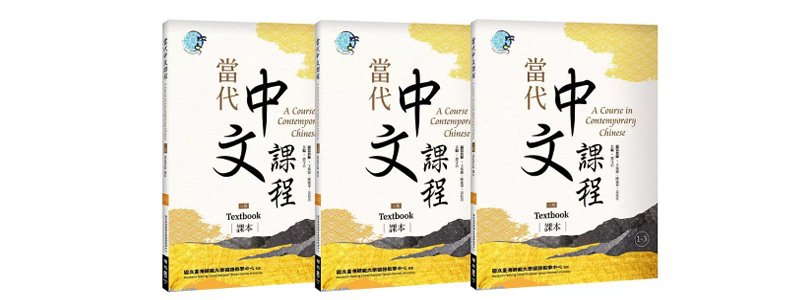
當代中文 Contemporary Chinese

Chinese adjectives work a bit like verbs — you don’t need a “to be” word in front of them. But most of the time, they still need a small helper word like 很 hěn in front. This page explains why, and when you can skip it.

一 What Are Chinese Adjectives?

Chinese adjectives are sometimes called “stative verbs” because they act like verbs — they describe mood, weather, looks, or other qualities all on their own.

累 lèi tired 熱热 rè hot 漂亮 piàoliàng漂亮 piàoliang pretty 高 gāo tall 開心开心 kāixīn happy

二 No “To Be” — But You Still Need a Helper Word

Since Chinese adjectives act like verbs, you never add a “to be” word before them. But on their own, they almost always need a small degree word like 很 hěn in front — otherwise the sentence doesn’t sound complete.

很 + Adjective = “is [adjective]”
她tā很hěn漂亮piàoliàng漂亮piàoliang
She is pretty.
她tā不bú漂亮piàoliàng漂亮piàoliang
She is not pretty.
她tā非常fēicháng漂亮piàoliàng漂亮piàoliang
She is very pretty.
她tā漂亮piàoliàng漂亮piàoliang,我wǒ不bú漂亮piàoliàng漂亮piàoliang
She is pretty, I am not. (a comparison)

三 Skipping the Helper Word Implies a Contrast

If you drop the degree word entirely, it doesn’t just sound incomplete — it hints that you’re comparing this to something else, even if you don’t say what.

她tā漂亮piàoliàng漂亮piàoliang
She is pretty. (but I am not)
這個zhège蛋糕dàngāo好吃hǎochī这个zhège蛋糕dàngāo好吃hǎochī
This cake tastes good. (but that other one doesn’t)

四 很 hěn Doesn’t Really Mean “Very”

Dictionaries often translate 很 as “very,” but in everyday speech it’s much weaker than that — closer to just “is.” If you actually want to say “very,” use 非常 fēicháng instead.

我wǒ很hěn難過nánguò我wǒ很hěn难过nánguò
I am sad.
他tā很hěn高gāo
He is tall.

五 Other Degree Words

很 isn’t the only option — here are the other degree words that go in front of an adjective, from weakest to strongest.

MeaningWord
Not不 bù
Not too不太 bú tài
A little bit有一點有一点 yǒu yìdiǎn
(is)很 hěn
Really真 zhēn
So好 hǎo
Very非常 fēicháng
Too太…了 tài…le

六 Putting Them to Use

有一點有一点 yǒu yìdiǎn almost always pairs with a negative-feeling adjective. Saying “a little bit good” just doesn’t sound natural in Chinese.

天氣tiānqì太tài熱rè了le!天气tiānqì太tài热rè了le!
The weather is too hot!
台灣táiwān的de茶chá非常fēicháng好喝hǎohē台湾táiwān的de茶chá非常fēicháng好喝hǎohē
Taiwan’s tea tastes very good.
我wǒ今天jīntiān有一點yǒuyìdiǎn累lèi我wǒ今天jīntiān有一点yǒuyìdiǎn累lèi
I am a little tired today.
中文zhōngwén不bù難nán中文zhōngwén不bù难nán
Chinese is not hard.

七 Common Mistakes

❌ 她tā漂亮piàoliàng漂亮piàoliang (meaning: just “she is pretty,” no comparison in mind)

✅ 她tā很hěn漂亮piàoliàng漂亮piàoliang

Without 很 or another degree word, the sentence hints at a contrast you didn’t mean to make. Add 很 for a plain, neutral statement.

❌ 她tā很hěn漂亮piàoliàng漂亮piàoliang translated as “she is VERY pretty”

✅ 她tā非常fēicháng漂亮piàoliàng漂亮piàoliang for “she is very pretty”

很 is usually just a required helper word, not a strong “very.” If you want real emphasis, use 非常 instead.

❌ 我wǒ有一點yǒuyìdiǎn好hǎo

✅ 我wǒ有一點yǒuyìdiǎn累lèi

有一點有一点 almost always goes with a negative-feeling adjective like 累 (tired) — pairing it with a positive one like 好 (good) sounds odd.

八 Practice

Pick the degree word that best fits each sentence.

Question 1 of 10

我wǒ今天jīntiān____累lèi。 (I am a little tired today.)

有一點有一点 fits because tired is a negative feeling and the degree is small.

台灣táiwān的de茶chá台湾táiwān的de茶chá____好喝hǎohē。 (Taiwan’s tea tastes very good.)

非常 gives the strong “very” meaning the sentence needs.

天氣tiānqì天气tiānqì____熱rè热rè了le! (The weather is too hot!)

太…了 is the “too much” pattern — 太 goes in front, 了 stays at the end.

中文zhōngwén____難nán难nán。 (Chinese is not hard.)

A plain, flat-out “not hard” just needs 不.

他tā____高gāo。 (He is tall.)

A plain, neutral description just needs 很 — it’s not really saying “very” here.

這個zhège这个zhège蛋糕dàngāo____好吃hǎochī。 (This cake is good — but that other one isn’t.)

Leaving the blank empty is exactly what signals a contrast with something else.

這zhè这zhè件jiàn衣服yīfu____貴guì贵guì了le,我wǒ買不起mǎibùqǐ买不起mǎibùqǐ。 (This piece of clothing is too expensive, I can’t afford it.)

“Too expensive to afford” calls for the 太…了 pattern again.

我wǒ____開心kāixīn开心kāixīn,因為yīnwèi因为yīnwèi明天míngtiān放假fàngjià。 (I’m really happy, because tomorrow is a day off.)

真 adds genuine feeling here — “really happy,” with a reason attached.

她tā____胖pàng,只是zhǐshì有一點yǒuyìdiǎn有一点yǒuyìdiǎn肉肉的ròuròude。 (She’s not too fat, just a little chubby.)

不太 softens the negative — “not too fat” rather than a flat denial.

那個nàge電影diànyǐng电影diànyǐng____好看hǎokàn!大家dàjiā都dōu應該yīnggāi应该yīnggāi去看qùkàn。 (That movie is SO good! Everyone should go watch it.)

好 gives that excited, exclamation-mark energy — “SO good!”

Related Grammar

→Adverbs for Adjectives 1: 很, 非常, 太, 真, and 最HSK 1
Do you like it? :)
當代中文当代中文 · Series

Contemporary Chinese

Volume Book 1 Volume Book 2 Coming Soon Book 3 Coming Soon Book 4
中文聽說讀寫中文听说读写 · Series

INTEGRATED CHINESE

Coming Soon Book 1 Coming Soon Book 2 Coming Soon Book 3 Coming Soon Book 4

OneDotDot Chinese

When a foreign friend says their Chinese is "yì diǎn diǎn" (just a little), this site exists to make that little bit grow, one day at a time.

  ABOUT

  About Me
  Special Thanks
  News
  My Students Only

  CONTACT

  LinkedIn
  Instagram
  Privacy Policy

© 2026 OneDotDot Chinese | Powered by Superbs Personal Blog theme