Restaurant words are the most complicated ones in Chinese. Since eating and food are an essential part of the cultures in China, each area has developed their customs. The way people serve food and order food also becomes diverse. Therefore, if you travel around China, you may hear some different expressions. No need to worry!…
Category: HSK 3
Subway Chinese
請問qǐngwèn_( 月台yuètái)_ 在zài哪裡nǎlǐ? 请问qǐngwèn_( 月台yuètái)_ 在zài哪里nǎlǐ? Could you tell me where the __(platform)__ is? Dialogue 我wǒ: 不好意思bùhǎoyìsi, 請問qǐngwèn月台yuètái在zài哪裡nǎlǐ? 我wǒ: 不好意思bùhǎoyìsi, 请问qǐngwèn月台yuètái在zài哪儿nǎr? I: Excuse me! Could you tell me where the planform is? 台灣táiwān人rén: 從cóng這裡zhèlǐ直走zhízǒu, 向xiàng右轉yòuzhuǎn就jiù到了dàole台湾táiwān人rén: 从cóng这儿zhèr直走zhízǒu, 向xiàng右拐yòuguǎi就jiù到了dàoleTaiwanese: Go straight and then turn left, you’ll find the platform there! 我wǒ: 很hěn遠yuǎn嗎ma? 我wǒ: 很hěn远yuǎn吗ma? I: Is it far (from here)? 台灣táiwān人rén: 走zǒu五wǔ分鐘fēnzhōng就jiù到了dàole台湾táiwān人rén: 走zǒu五wǔ分钟fēnzhōng就jiù到了dàoleTaiwanese: It is only 5 minutes walking distance. Simplified…
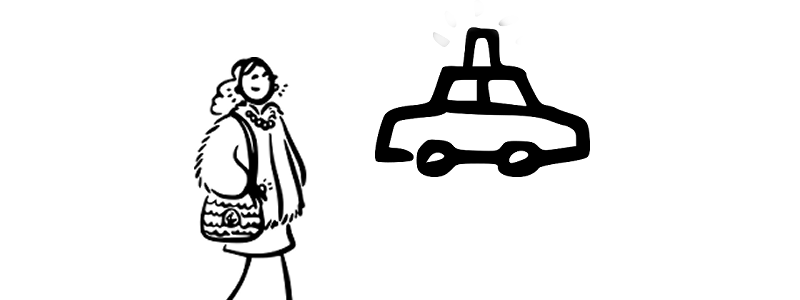
Taxi Chinese
麻煩máfán到dào__( 台北táiběi車站chēzhàn)__麻烦máfan到dào__( 台北táiběi车站chēzhàn)__ To the ___(Taipei main station)___ Dialogue 司機sījī: 請問qǐngwèn要yào到dào哪裡nǎlǐ? 师傅shīfu: 您nín要yào到dào哪nǎ去qù? Driver: Where are you going? 我wǒ: 麻煩máfán到dào台北táiběi車站chēzhàn我wǒ: 麻烦máfan到dào台北táiběi车站chēzhànI: To the Taipei main station, please. 司機sījī: 好hǎo的de师傅shīfu: 好hǎo的deDriver: Certainly. 我wǒ: 請qǐng開kāi快kuài一點yìdiǎn, 謝謝xièxie我wǒ: 尽量jǐnliàng快点kuàidiǎn吧ba, 谢谢xièxieI: Please go faster, thank you! Simplified (China) Traditional (Taiwan) Vocabulary 車站chēzhàn车站chēzhàn🔊 Station 機場jīchǎng机场jīchǎng🔊 Airport 飯店fàndiàn/ 酒店jiǔdiàn饭店fàndiàn/ 酒店jiǔdiàn🔊 Hotel 醫院yīyuàn医院yīyuàn🔊 Hospital 這裡zhèlǐ/ 這兒zhèr这里zhèlǐ/ 这儿zhèr🔊 Here 博物館bówùguǎn/ 博物院bówùyuàn博物馆bówùguǎn/ 博物院bówùyuàn🔊 Museum 第一dìyī航廈hángxià/ 一號yīhào航站樓hángzhànlóu第一dìyī航厦hángshà/ 一号yīhào航站楼hángzhànlóu🔊 First terminal…
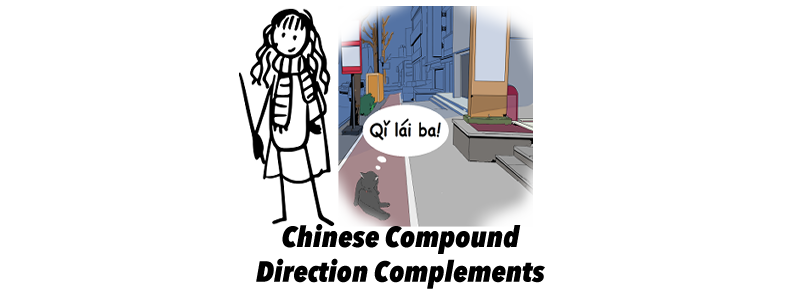
Compound direction complements
Before we discuss the compound direction complements, it’s important to ensure that you have a good understanding of all the basic direction complements. Otherwise, you may have difficulty following this article. What is compound direction complement? A Chinese compound directional complement is formed by combining two or more basic directional words to express more specific movement or…
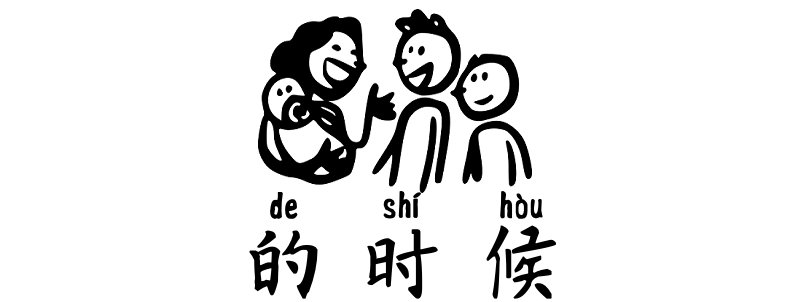
Time Expression – de shíhou
Grammar Point:The time expression grammar “…的時候的时候 de shíhòudeshíhou” is similar to the English phrase “when something happens.” It can be used to talk about things that happen at a particular time. To use it, simply attach it to the word or phrase indicating the time. Sentence structure Time Word or description + 的時候/的时候 我wǒ工作gōngzuò的de時候shíhòu常常chángcháng喝hē咖啡kāfēi我wǒ工作gōngzuò的de时候shíhou常常chángcháng喝hē咖啡kāfēiI usually…
Chinese Grammar 了 le – 2
Grammar Point:Some textbooks may list multiple meanings to explain the Chinese character 了 le, but actually, there are only three of them main uses which we refer 了1, 了2, and 了3. Before you read this post, please make sure you have known what is 了1, 了2, and 了3.If you are not sure about it, you…
Mobile Phone Related Words
Buy a SIM card Prepaid SIM cards can be purchased from all telecom stores in the airport or convenience stores outside of the airport and plans will vary regarding the rates paid for minutes, texts, and data. 預付卡/ 预付卡 YùfùkǎSIM card 我要買一張預付卡我要买一张预付卡Wǒ yào mǎi yìzhāng yùfùkǎ.I would like to buy a SIM card. 請問有哪些方案?请问有哪些方案?Qǐngwèn yǒu…
了 Part 1
Grammar Point:Some textbooks may list multiple meanings to explain the Chinese character 了 le, but actually, there are only three of them main uses which we refer 了1, 了2, and 了3. 了1 (Verb-suffix了) S + V + 了 + (O) It means the action is complete and it should always be placed immediately after the verb….
一 yī… 就 jiù… Grammar
Grammar Point:The grammar structure 一 yī… 就 jiù… is a common pattern in Chinese that expresses a cause-and-effect relationship between two events or actions. It is used to describe that once the first event or action occurs, the second event or action will immediately follow, much like the English phrase “as soon as”. Structure S1 +…
的 de, 得 de, and 地 de
Grammar Point:Do you know the difference between 的 de, 得 de, and 地 de? They are three structural auxiliary words with different functions but the same pronunciation. <的> 的 de is a noun modifier that can be used to indicate possession or link an adjective or verb phrase to a noun. V / Adj. / N+ 的 +…