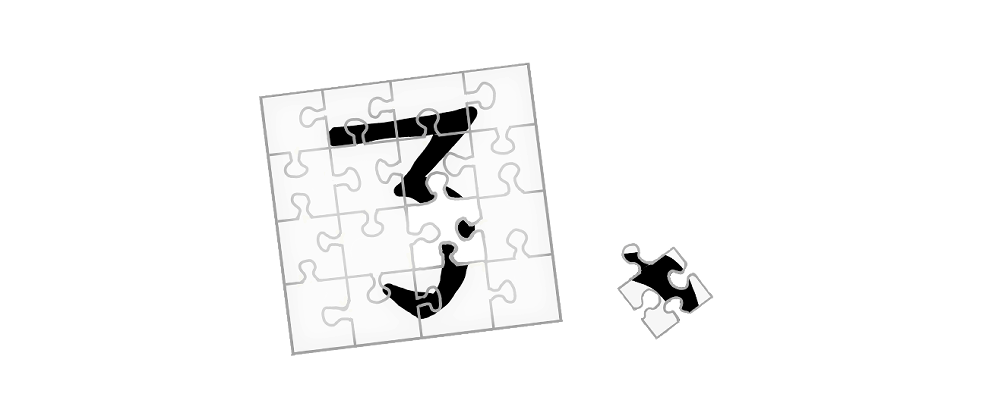
There is no past tense in Chinese. 了1 le only tells you the action is finished — so it can show up in a sentence about tomorrow, and it can never attach to a verb that describes a state rather than an action.
1S + V + 了了 + (O)
The action is complete, and 了1 always goes immediately after the verb.
Common Mistake
Don’t treat 了1 as English past tense. “I didn’t eat it” is past tense in English, but the eating never happened — so no 了 appears in the Chinese translation at all.
他吃了飯他吃了饭
He had a meal. (The action of eating is complete.)
我睡了覺我睡了觉
I slept. (I’ve finished sleeping and am now awake.)
我明天下了課就要回家我明天下了课就要回家
I’m going home right after class finishes tomorrow. (Tomorrow is future — proof 了1 isn’t about past tense.)
Adding Detail: S + V + 了了1 + Number + Measure Word + O
他昨天吃了兩碗飯他昨天吃了两碗饭
He ate two bowls of rice yesterday.
我喝了五杯水我喝了五杯水
I drank five glasses of water.
老師給了你五塊錢嗎?老师给了你五块钱吗?
Did the teacher give you five dollars?
Adding Time: S + V + 了了1 + Time Spent + (的的 de + O)
他晚上看了兩個鐘頭的電視他晚上看了两个钟头的电视
He watched two hours of television at night.
你以前在台灣學了多久的中文?你以前在台湾学了多久的中文?
How long did you study Chinese in Taiwan before?
Good to Know
你吃了飯嗎?on its own sounds odd — it really asks “have you finished the act of eating,” not “have you eaten?” It becomes natural once a second action follows: 你吃了飯要一起去打球嗎?你吃了饭要一起去打球吗? “Are you going to play ball together after you eat?”
2Fixed Expressions: 太 tài + SV + 了了 le / SV + 死了了 sǐle
This 了 doesn’t add any meaning of its own — it just belongs to these fixed patterns for exaggeration, so you simply memorize them as a set.
天氣熱死了!天气热死了!
The weather is scorching hot!
王先生太胖了!王先生太胖了!
Mr. Wang is too heavy!
這件衣服太貴了!这件衣服太贵了!
This piece of clothing is too expensive!
太好了!太好了!
That’s great!
我餓死了!我饿死了!
I’m starving!
3When You Can’t Use 了了1
了1 only works on actions that can be “finished.” Two whole categories of verbs never take it.
Type 1 — State Verbs: 是是 shì / 在在 zài / 姓姓 xìng / 有有 yǒu
These four describe a state or condition, not an action — a state has no “finish line,” so 了1 can never attach to them.
✅
我有狗我有狗
I have a dog. (plain fact)
❌
我有了狗我有了狗
“Having” can’t be completed, so 了1 doesn’t belong here.
✅
我以前有狗我以前有狗
I had a dog before. (a time word marks the past instead)
A state can shift into being true or not true — that’s what 了2 (see the next article) is for: 我有狗了我有狗了 “I have a dog now (I didn’t before).”
Type 2 — Verbs of Thought Followed by a Clause: 覺得觉得 juéde / 以為以为 yǐwéi / 知道知道 zhīdào / 希望希望 xīwàng
When these verbs are followed by a whole clause — the content of what someone thinks, assumes, knows, or hopes — that clause isn’t a completable action either, so no 了1 goes after the verb.
✅
我覺得他很好我觉得他很好
I think he’s good. (plain opinion)
❌
我覺得了他很好我觉得了他很好
“他很好” is the content of an opinion, not a completable action — 了1 doesn’t fit here.
The same logic applies to 以為 (mistakenly thought), 知道 (know), and 希望 (hope) — whatever comes after them is content, not something that can be “finished.”
Type 3 — Quoting: 說说 shuō / 問问 wèn / 回答回答 huídá
When you quote what someone said, asked, or answered, the act of speaking is already obviously complete by the time you’re quoting it — that’s exactly why you can quote it — so 了1 is unnecessary here too.
他說:「我很忙。」他说:「我很忙。」
He said, “I’m busy.”
她問我:「你叫什麼名字?」她问我:「你叫什么名字?」
She asked me, “What’s your name?”
他回答:「我不知道。」他回答:「我不知道。」
He answered, “I don’t know.”
Type 4 — Multiple Verbs in One Sentence
When a sentence lists a chain of actions in order, 了1 is usually dropped from the earlier verbs and kept only on the last one — if the final action is complete, everything before it must be too.
✅
我昨天去北京見朋友,跟他一起吃了飯我昨天去北京见朋友,跟他一起吃了饭
I went to Beijing yesterday to see a friend, and we had a meal together. (only the last verb, 吃吃 chī, carries 了1)
🔸
我昨天去了北京,見了朋友,跟他一起吃了飯我昨天去了北京,见了朋友,跟他一起吃了饭
Grammatical, but sounds redundant — like reporting three separate finished events instead of one trip with a natural sequence.
去去 qù and 見见 jiàn are just intermediate steps of the same trip; once 吃了飯吃了饭 chī le fàn (the final action) is confirmed to have happened, 去北京去北京 qù Běijīng and 見朋友见朋友 jiàn péngyou obviously already happened too — so there’s no need to mark every single verb with 了1.
4Practice
Translate each sentence into Chinese, then tap the card to check your answer.
01I already finished my homework.
我做完了功課我做完了功课
👆 Tap to reveal
02He drank three cups of tea.
他喝了三杯茶他喝了三杯茶
👆 Tap to reveal
03This bag is too expensive!
這個包包太貴了!这个包包太贵了!
👆 Tap to reveal
04I’m so busy!
我忙死了!我忙死了!
👆 Tap to reveal
05She already bought the ticket.
她買了票她买了票
👆 Tap to reveal
06He said one sentence.
他說了一句話他说了一句话
👆 Tap to reveal
