Skip to content

OneDotDot Chinese

Learn a little Chinese every day

Menu
  • Vocabulary
    • Pronunciation
    • HSK 3.0 Voc
    • Topic Center
    • Professional Field
    • Food Words
    • Synonyms
    • Chinese Slang
  • Grammar
    • Foundation
    • A1 Grammar (HSK 1)
    • A2 Grammar (HSK 2)
    • B1 Grammar (HSK 3)
    • B1 Grammar (HSK 4)
    • B2 Grammar (HSK 5)
    • B2 Grammar (HSK 6)
    • C1-C2 Grammar (HSK 7-9)
  • Resources
    • Characters
    • Get A Chinese Name
    • Conversation
    • Cooking Chinese Food
    • Story with Audio
    • Songs
    • Download
    • Chinese Festivals
  • Practice
    • Grammar
    • Reading
    • Listening
  • Shop
Menu

Category: HSK 3

根本 gēnběn chinese grammar

Emphasize a negation 2 – gēnběn

Posted on September 6, 2023September 7, 2023 by tiffany

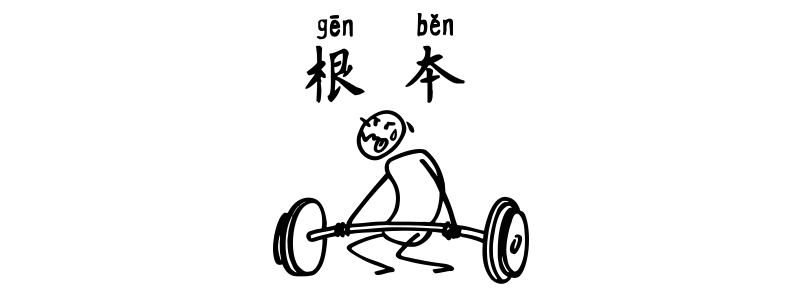
Grammar Point:根本 gēnběn is a Chinese adverb that the speaker uses to emphasize a negative view or a sense of impossibility. It often conveys a strong sense of negation or skepticism in sentences, highlighting that something is fundamentally lacking or impossible. Structure S + gēnběn + V 加州jiāzhōu房價fángjià那麼nàme高gāo, 年輕人niánqīngrén根本gēnběn買不起mǎibùqǐ房子fángzi加州jiāzhōu房价fángjià那么nàme高gāo, 年轻人niánqīngrén根本gēnběn买不起mǎibuqǐ房子fángziThe housing prices in California are…

Read more
dare Chinese grammar 敢 gǎn

“To dare” in Chinese – 敢 gǎn

Posted on September 3, 2023September 3, 2023 by tiffany

Grammar Point:The Chinese character 敢 gǎn is primarily used as a verb and means “to dare” or “to have the courage to.” It is often used in sentences to express someone’s willingness or courage to do something. Structure S + 敢 gǎn + V 弟弟dìdi不bù敢gǎn吃chī辣là弟弟dìdi不bù敢gǎn吃chī辣làMy younger brother is afraid of eating spicy food. 你nǐ敢gǎn用yòng手shǒu抓zhuā蛇shé嗎ma? 你nǐ敢gǎn用yòng手shǒu抓zhuā蛇shé吗ma?…

Read more
Only guāng jǐnjǐn chinese grammar

“Only” in Chinese 2

Posted on August 30, 2023October 31, 2024 by tiffany

Grammar Point:In Chinese, “only” can be translated using different words depending on the context. Two common translations for “only” are 光 guāng and 僅僅仅仅 jǐnjǐn. Structure S + guāng + V + O or Complement It can be used in both formal and casual situations. 他tā光guāng吃chī肉ròu, 一點yìdiǎn蔬菜shūcài也yě不吃bùchī他tā光guāng吃chī肉ròu, 一点yìdiǎn蔬菜shūcài也yě不吃bùchīHe only eats meat, he doesn’t eat any…

Read more
negation 並 bìng grammar

Emphasizing a negation – 並 / 并 bìng

Posted on August 28, 2023July 3, 2026 by tiffany

Grammar Point:In Chinese, the word 並并 bìng is used to emphasize a negation. It’s often used in conjunction with negative words like 不 bù or 沒 méi to strengthen the negative meaning. Structure People use 並并 bìng to indicate that what they are saying is contrary to what the addressee assumes or expects. It adds…

Read more
Moreover in Chinese 并且 bìngqiě

“Moreover” in Chinese 1 – 並且 / 并且 bìngqiě

Posted on August 27, 2023July 3, 2026 by tiffany

Grammar Point:並并且 bìngqiě can be used to connect two verbs. In this structure the two verbs may be of equal importance, but it emphasizes the progression of ideas and adds a layer of “moreover” or “furthermore” to the sentence. Structure Verb Phrase + 並并且 + Verb Phrase When 並并且 bìngqiě is used to link verb…

Read more
In addition in Chinese grammar 另外 lìngwài

“In addition” in Chinese – lìngwài

Posted on August 26, 2023August 27, 2023 by tiffany

Grammar Point:The term 另外 lìngwài is commonly used in Chinese to mean “in addition,” “furthermore,” “another,” “other,” or “besides.” It is used to introduce additional information or points in a sentence. Structure 另外 lìngwài is a transitional phrase, used to smoothly introduce additional information or ideas. Its placement in the sentence can vary, but it…

Read more
chinese grammar xūyào 需要

Need in Chinese – xūyào

Posted on August 24, 2023August 24, 2023 by tiffany

Grammar Point:需要 xūyào is an auxiliary verb in Chinese that means “to need” or “to require.” It’s used to indicate a necessity or a requirement for something. Structure S + 需要 xūyào + (MW) + N 我wǒ需要xūyào一個yíge男朋友nánpéngyǒu我wǒ需要xūyào一个yíge男朋友nánpéngyouI need a boyfriend. 她tā需要xūyào多少錢duōshǎoqián? 她tā需要xūyào多少钱duōshǎoqián? How much money does she need? 她tā需要xūyào很多hěnduō錢qián她tā需要xūyào很多hěnduō钱qiánShe needs a lot of money. 你nǐ需要xūyào更gèng多duō時間shíjiān嗎ma?…

Read more
Chinese Grammar nándào 难道

Chinese Grammar – nándào

Posted on August 22, 2023July 23, 2026 by tiffany

Grammar Point:難难道 nándào is a grammatical expression used in Chinese to convey a sense of rhetorical questioning or disbelief within a statement. It is often translated as “could it be that” or “is it possible that” in English. It’s used when you’re kind of asking a question, but you already know or expect the answer….

Read more
Still 仍然 réngrán chinese grammar

“Still” in Chinese 2 – 仍然 réngrán

Posted on August 19, 2023November 30, 2024 by tiffany

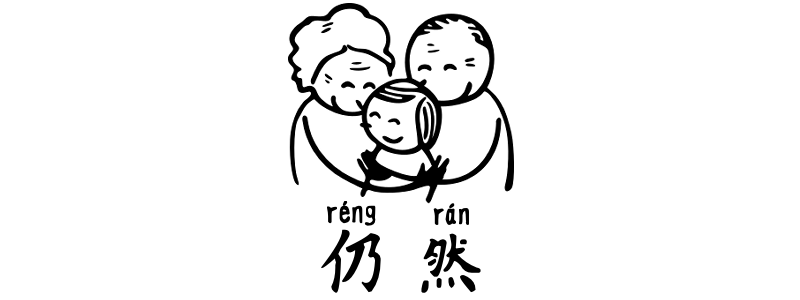
Grammar Point:仍然 réngrán is an adverb in Chinese that means “still” or “yet.” It’s used to indicate that a situation or condition remains the same despite changes that might have been expected. Structure S + 仍然 réngrán + V 我wǒ仍然réngrán愛ài著zhe他tā我wǒ仍然réngrán爱ài着zhe他tāI still love him. 台灣Táiwān仍然réngrán有yǒu行人xíngrén地獄dìyù的de問題wèntí台湾Táiwān仍然réngrán有yǒu行人xíngrén地狱dìyù的de问题wèntí“Pedestrian Hell” stills an issue in Taiwan. FYI“Pedestrian Hell” (in Chinese: 行人地獄狱…

Read more
Every in Chinese 每 mei grammar

“Every” in Chinese – 每 měi

Posted on August 18, 2023January 31, 2024 by tiffany

Grammar Point:每 měi is a Chinese character that means “every” in English. It is often used to indicate the recurrence of an action or event at regular intervals. Structure 每 měi + Measure Word + (N) + (都 dōu) Some Chinese words don’t need extra measure words because they are already like measure words. For…

Read more

Posts pagination

  • Previous
  • 1
  • …
  • 3
  • 4
  • 5
  • 6
  • 7
  • 8
  • 9
  • …
  • 17
  • Next

Contemporary Chinese
➤ Book 1
➤ Book 2
➤ Book 3
➤ Book 4

OneDotDot Chinese

When a foreign friend says their Chinese is "yì diǎn diǎn" (just a little), this site exists to make that little bit grow, one day at a time.

  ABOUT

  About Me
  Special Thanks
  News
  My Students Only

  CONTACT

  LinkedIn
  Instagram
  Privacy Policy

© 2026 OneDotDot Chinese | Powered by Superbs Personal Blog theme