味觉与口感 · Chinese Vocabulary
Taste and Texture in Chinese
味道与口感
Talking about flavor and texture can get dry fast — so this guide pairs the vocabulary with five real traditional Chinese snacks along the way, so you taste each word instead of just memorizing it.
The six flavors · 六种味道
The basics
味道 — Flavors / Taste
Six core flavors, how strong or subtle a dish tastes, and a handful of aroma words that don’t fit neatly into “flavor” or “texture” but come up constantly.
基本味道 · Basic flavors
味道浓淡 · Intensity
香气与其他 · Aroma & other notes
龙须糖
Dragon’s Beard Candy
Maltose is pulled and folded until it separates into thousands of hair-fine threads, wrapped around crushed peanuts and sugar. It’s sweet but never 甜腻 — it practically 入口即化, leaving just a faint 黏牙 trace on your teeth.
皮蛋
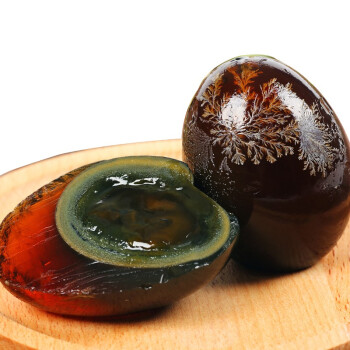
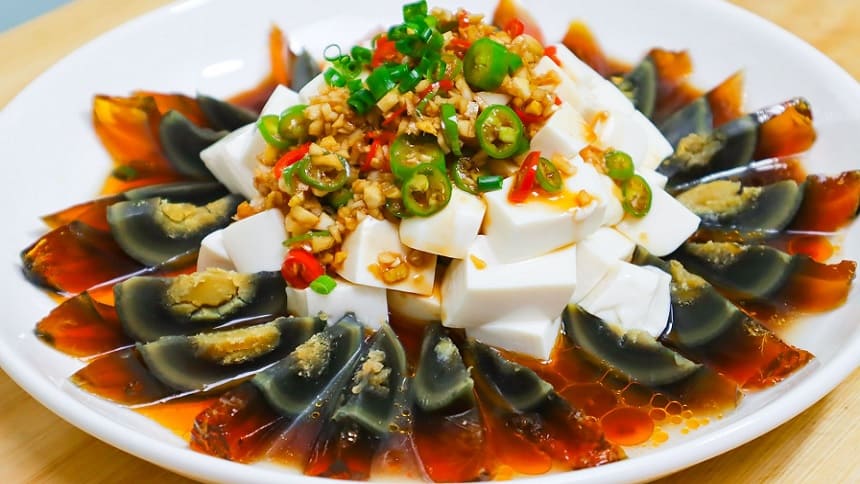
Century Egg
Preserved for weeks, not a century — the yolk turns dark and custardy with a distinctly 刺鼻 edge, and the flavor is genuinely 味道重, so a little goes a long way.
Beyond flavor
口感 — Texture
Chinese food writing spends as much energy on mouthfeel as on flavor. Split into two tables — how something’s structured in the mouth, and everything about its moisture and stickiness.
质地 · Consistency & mouthfeel
桃酥
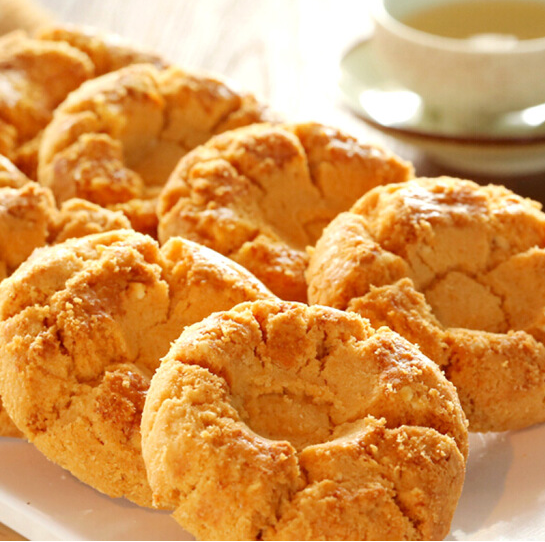
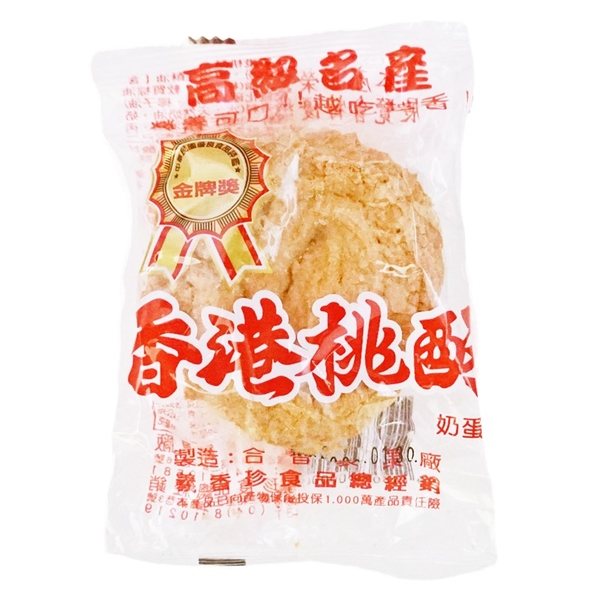
Walnut Pastry
Thin, 酥 layers wrapped around a ground walnut paste — restrained on sugar, so the roasted 坚果味 comes through clearly instead of being buried in sweetness.
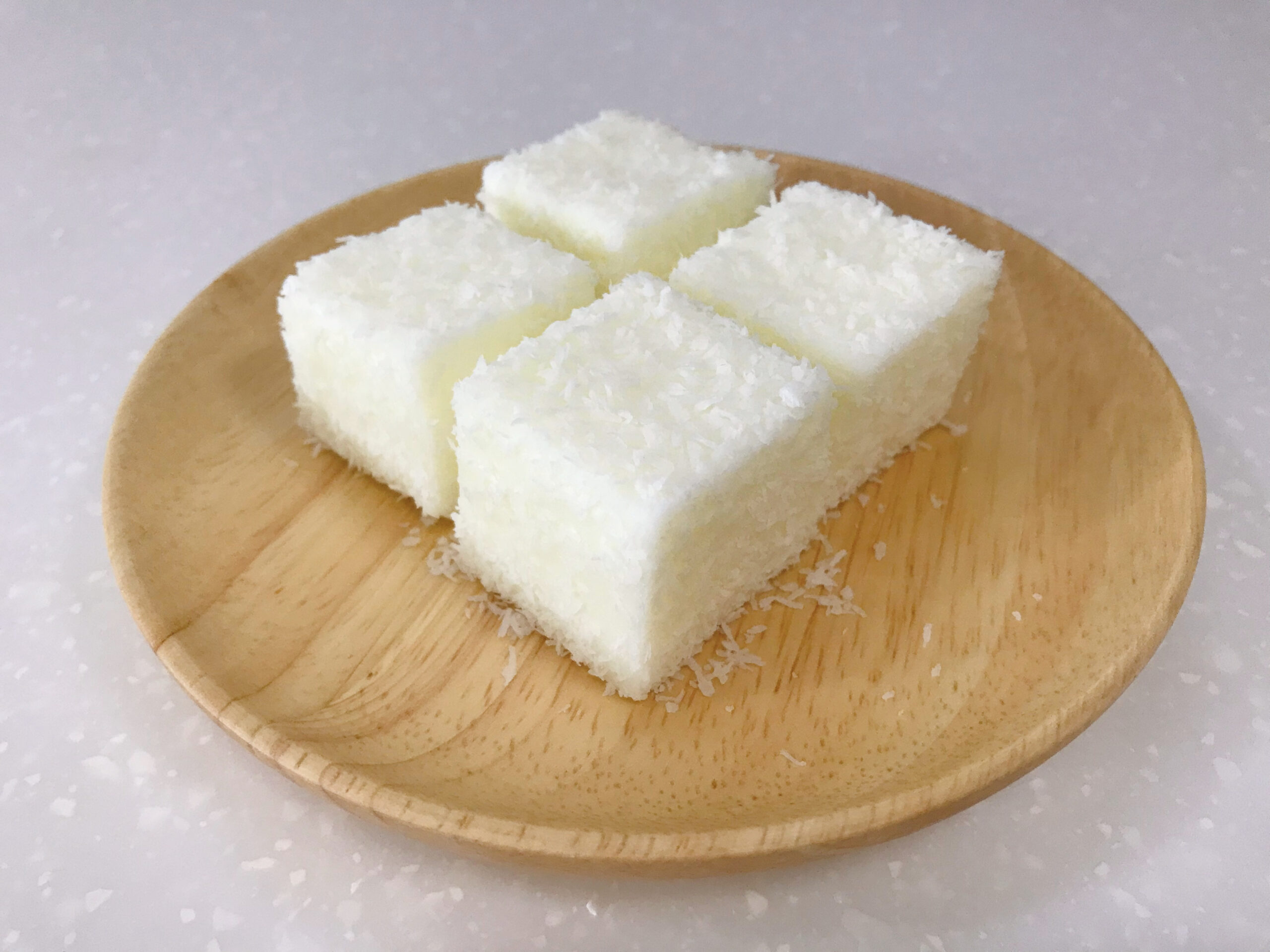
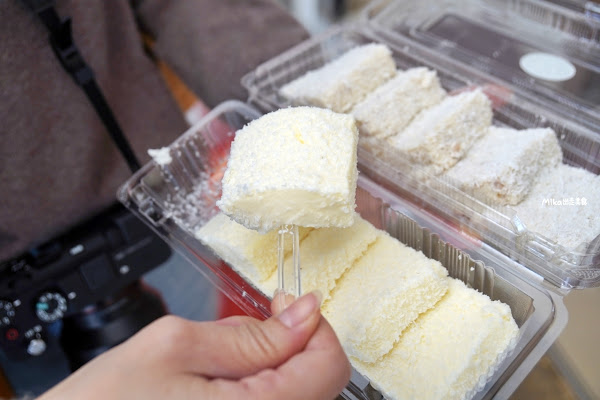
雪花糕
Snowflake Cake
Glutinous rice flour, sugar, and coconut milk steamed into a batter that’s 丝滑 on the tongue and 滑顺 all the way through — cut into small, snowflake-like shapes.
湿度、气味与黏性 · Moisture & stickiness
驴打滚
Donkey Rolling
Named for the rolling motion used to shape it — the glutinous rice dough stays 软糯, and the coconut coating adds a layer of crunch, so the whole bite ends up 有层次.

