Skip to content

OneDotDot Chinese

Learn a little Chinese every day

Menu
  • Vocabulary
  • Grammar
  • Resources
  • Practice
  • Shop
Menu

Chinese Measure Words 1

Posted on July 4, 2022September 7, 2026 by tiffany

Table of Contents

Toggle
  • 1 Quick Reference
  • 2 Usage
  • 3 Practice Quiz

  • Text Display
  • ►Traditional
  • ►Simplified
  • Pinyin Display
  • ►Visible
  • ►Mouseover
  • ►Hidden
OneDotDot Chinese
Grammar · HSK 1
Grammar Point · HSK 1

9 Measure Words — 本本 běn, 個个 gè, 家家 jiā, 口口 kǒu, 塊块 kuài, 件件 jiàn, 隻只 zhī, 元元 yuán, 杯杯 bēi

Every noun in Chinese needs a measure word before it when you count it. These nine are the everyday essentials — the ones you’ll use in your very first conversations.

The pattern is always Number + Measure Word + Noun. If you’re ever unsure which measure word to use, 個个 gè is the safest fallback — more on that below.

1 Quick Reference

A cheat sheet before diving into examples.

Word Used For Example Nouns
本本 běn Books and printed materials books, magazines, dictionaries
個个 gè The all-purpose default people, apples, most everyday nouns
家家 jiā Families and businesses families, shops, restaurants
口口 kǒu People in a household family members
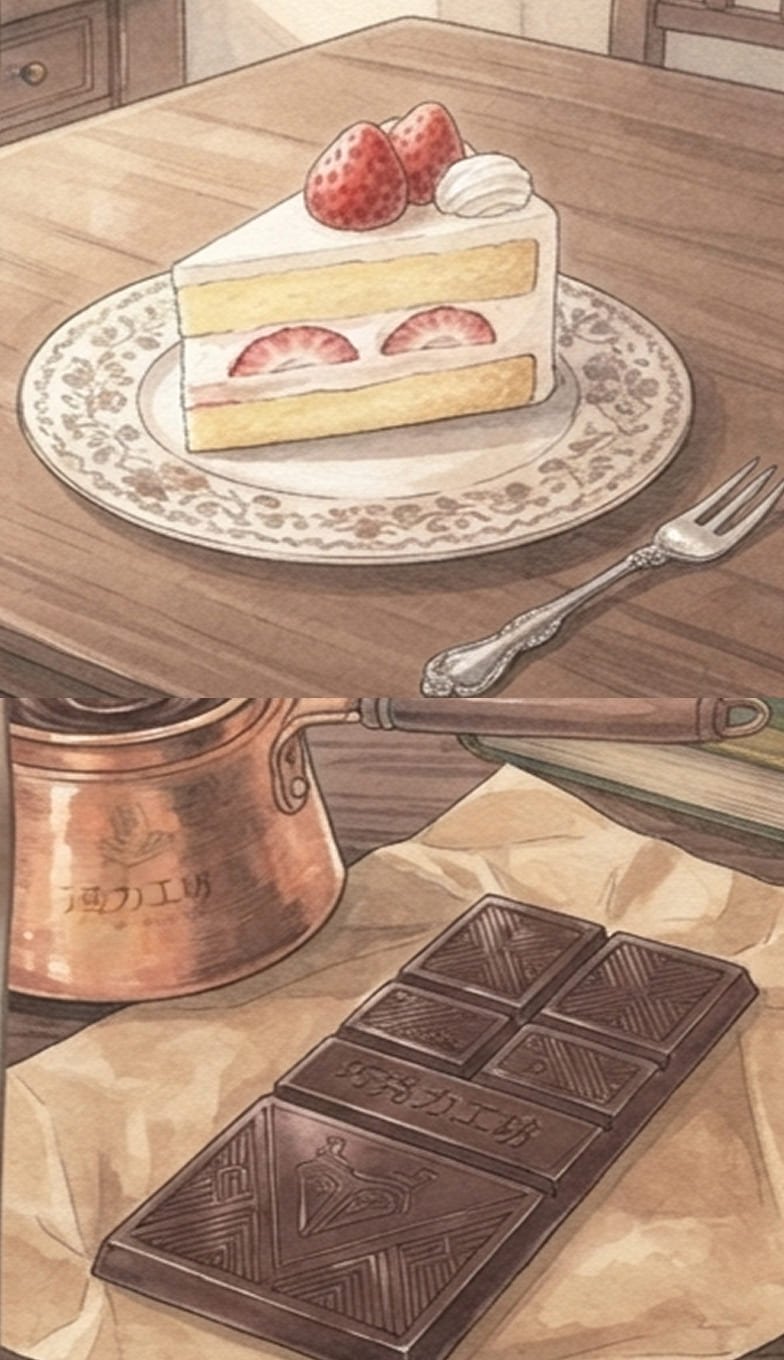
塊块 kuài Money (spoken), or chunks kuai, pieces of cake or bread
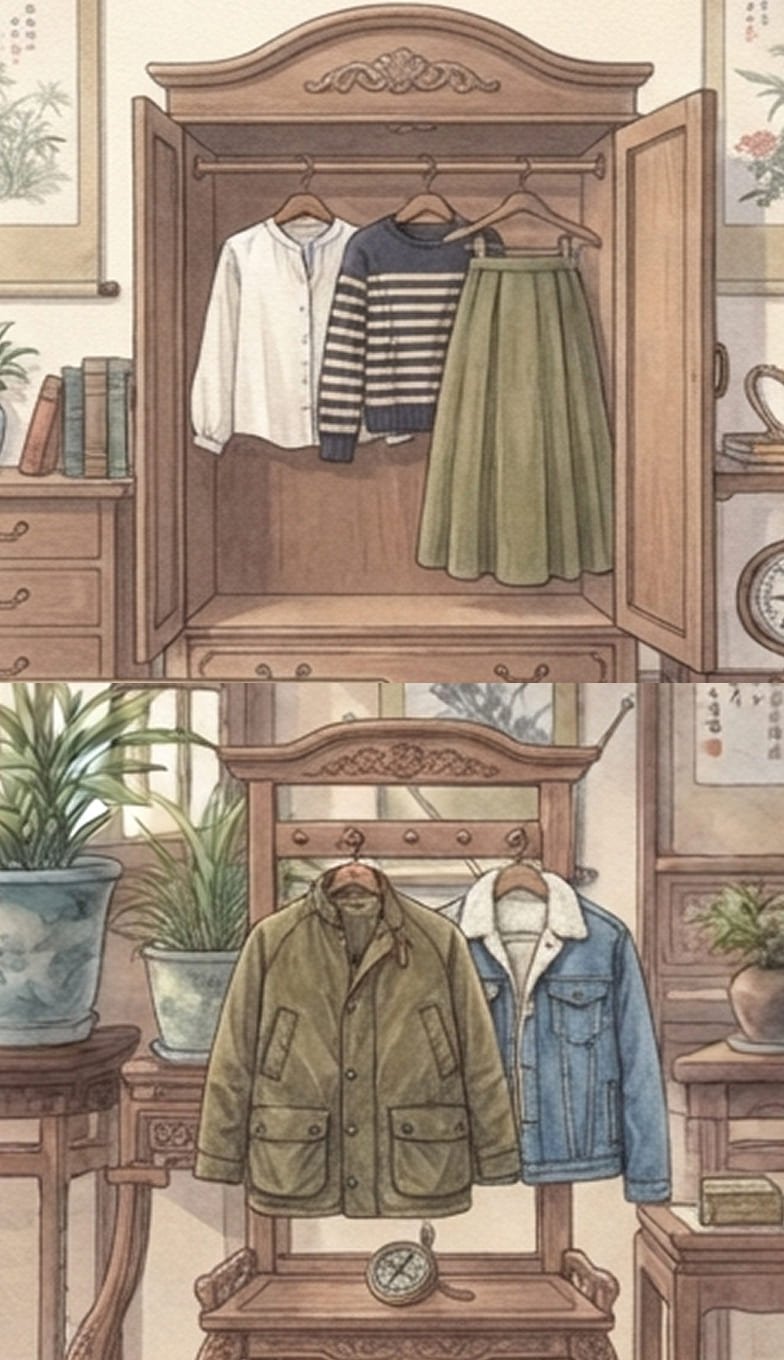
件件 jiàn Clothes and matters clothing, affairs, items
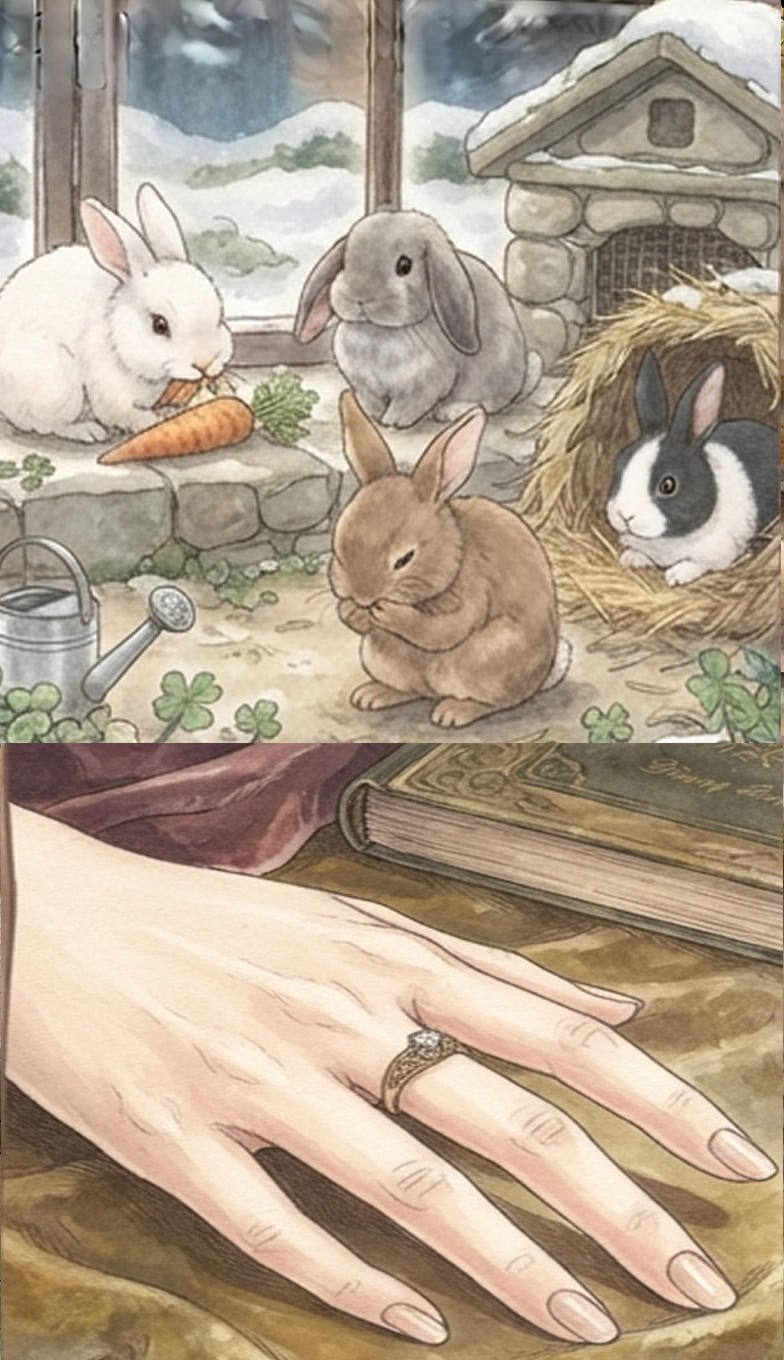
隻只 zhī Animals, and one of a pair cats, dogs, a hand or eye
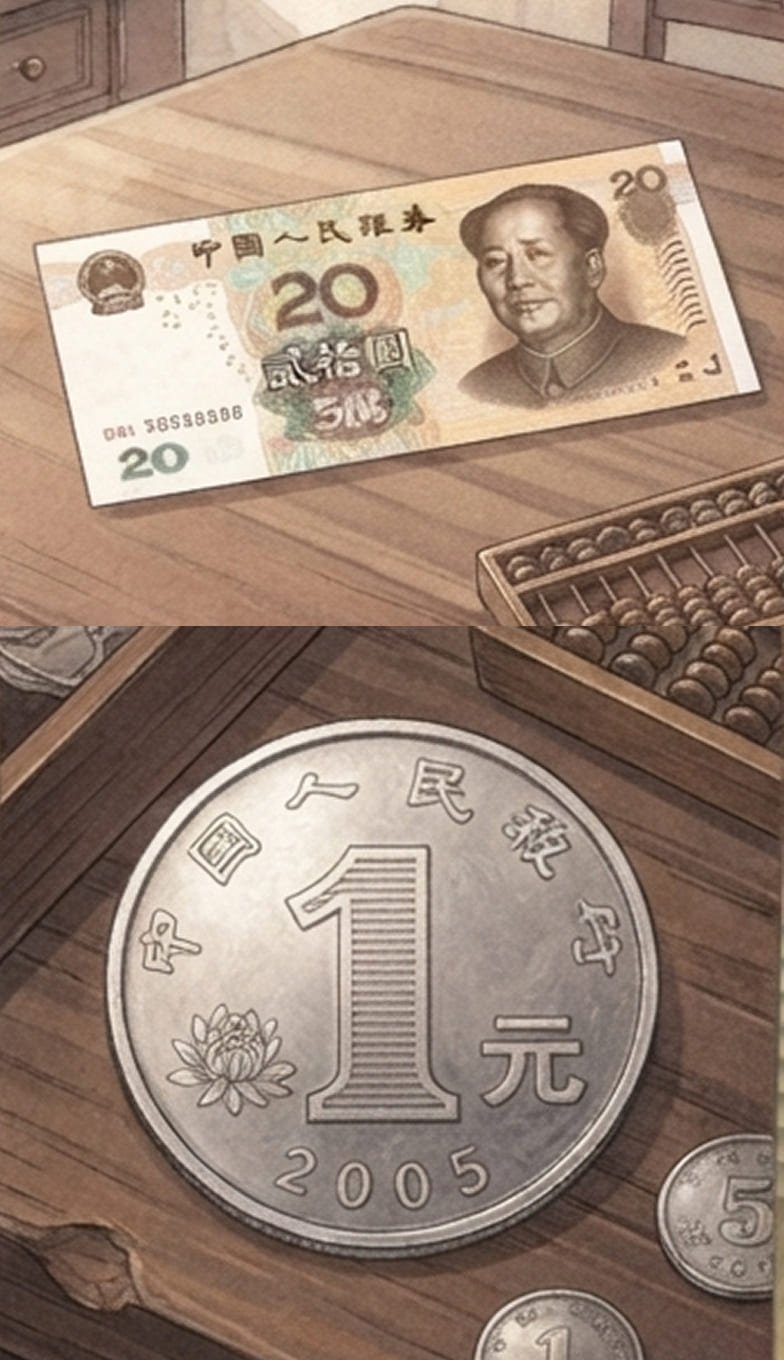
元元 yuán Money (written/formal) yuan, prices
杯杯 bēi Cups of something coffee, tea, water

2 Usage

本本 běn — Books and Printed Materials

本 measure word
我wǒ買mǎi了le一本yìběn書shū我wǒ买mǎi了le一本yìběn书shū
I bought a book.
桌上zhuōshàng有yǒu兩本liǎngběn雜誌zázhì桌上zhuōshàng有yǒu两本liǎngběn杂志zázhì
There are two magazines on the table.

個个 gè — The All-Purpose Default

個 measure word
我wǒ有yǒu一個yíge蘋果píngguǒ我wǒ有yǒu一个yíge苹果píngguǒ
I have an apple.
他tā是shì一個yíge好hǎo老師lǎoshī他tā是shì一个yíge好hǎo老师lǎoshī
He is a good teacher.
Good to Know

個个 gè is the most common measure word in the language, and the safest one to reach for when you’re not sure which measure word a noun takes. It’s not always technically correct, but native speakers will understand you every time, and it’s a great starting point while you’re still learning the more specific ones.

家家 jiā — Families and Businesses

家 measure word
我們wǒmen是shì一家人yìjiārén我们wǒmen是shì一家人yìjiārén
We are a family.
附近fùjìn有yǒu一家yìjiā咖啡店kāfēidiàn附近fùjìn有yǒu一家yìjiā咖啡店kāfēidiàn
There’s a coffee shop nearby.

口口 kǒu — People in a Household

口 measure word
我家wǒjiā有yǒu四口sìkǒu人rén我家wǒjiā有yǒu四口sìkǒu人rén
There are four people in my family.
他們家tāmen jiā一共yígòng五口wǔkǒu人rén他们家tāmen jiā一共yígòng五口wǔkǒu人rén
Their family has five people in total.
Good to Know

口口 kǒu (literally “mouth”) is reserved specifically for counting the people in one household — as in “how many mouths to feed.” For counting people in general, use 個个 gè instead: 我家有四口人我家有四口人 (my family) but 教室裡有四個人教室里有四个人 (the classroom).

塊块 kuài — Money (Spoken), or Chunks

塊 measure word
這個zhège蛋糕dàngāo十塊shíkuài錢qián这个zhège蛋糕dàngāo十块shíkuài钱qián
This cake costs ten kuai.
請qǐng給gěi我wǒ一塊yíkuài麵包miànbāo请qǐng给gěi我wǒ一块yíkuài面包miànbāo
Please give me a piece of bread.

件件 jiàn — Clothes and Matters

件 measure word
她tā買mǎi了le一件yíjiàn新xīn衣服yīfú她tā买mǎi了le一件yíjiàn新xīn衣服yīfú
She bought a new piece of clothing.
我wǒ有yǒu一件yíjiàn事shì想xiǎng跟gēn你nǐ說shuō我wǒ有yǒu一件yíjiàn事shì想xiǎng跟gēn你nǐ说shuō
I have something I want to tell you.

隻只 zhī — Animals, and One of a Pair

隻 measure word
我家wǒjiā有yǒu一隻yìzhī貓māo我家wǒjiā有yǒu一只yìzhī猫māo
My family has a cat.
他tā只有zhǐyǒu一隻yìzhī手shǒu可以kěyǐ用yòng他tā只有zhǐyǒu一只yìzhī手shǒu可以kěyǐ用yòng
He only has one hand he can use.

元元 yuán — Money (Written/Formal)

元 measure word
這本zhèběn書shū三十元sānshíyuán这本zhèběn书shū三十元sānshíyuán
This book is thirty yuan.
車票chēpiào是shì十五元shíwǔyuán车票chēpiào是shì十五元shíwǔyuán
The ticket is fifteen yuan.
Good to Know

塊块 kuài and 元元 yuán refer to the exact same unit of money — they’re not different amounts. 塊块 kuài is what people say out loud in everyday conversation, while 元元 yuán is the formal, written form you’ll see on price tags, receipts, and official documents.

杯杯 bēi — Cups of Something

杯 measure word
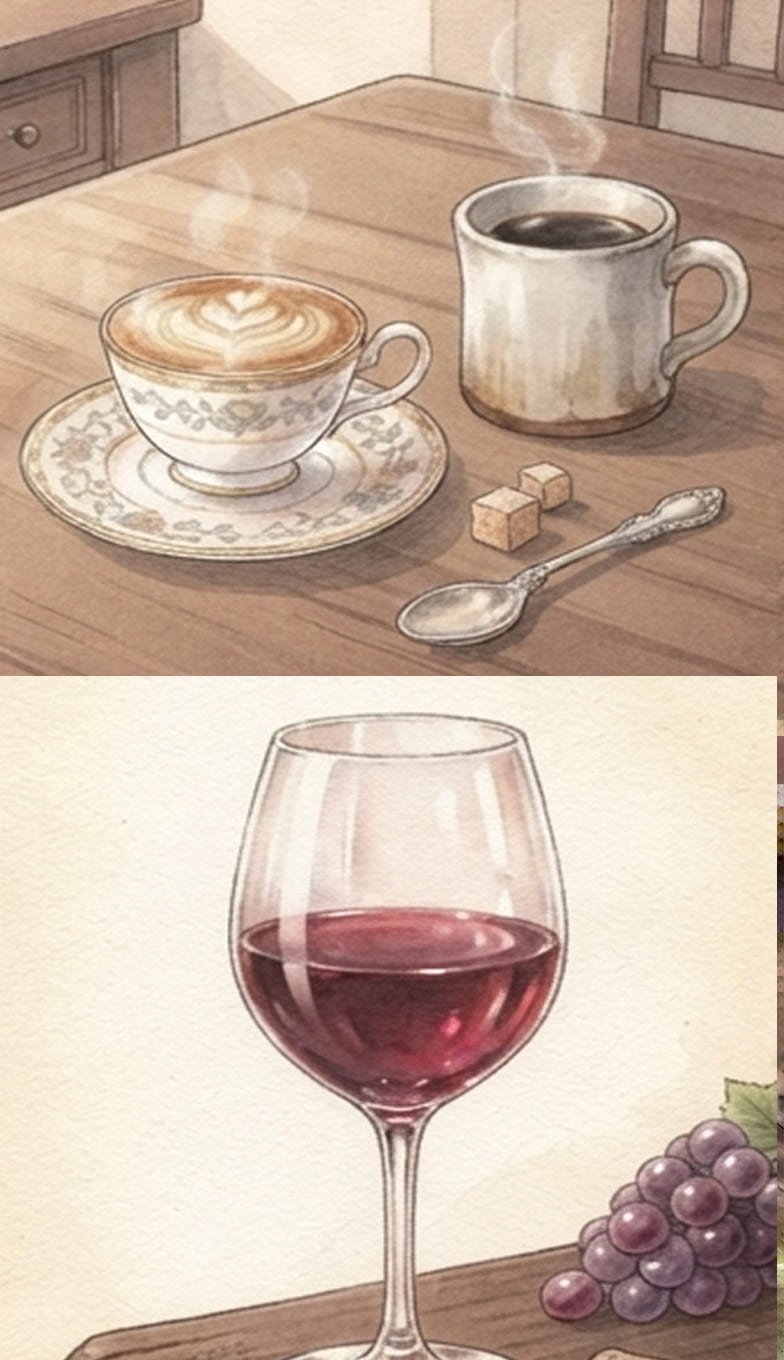
我wǒ想xiǎng喝hē一杯yìbēi咖啡kāfēi我wǒ想xiǎng喝hē一杯yìbēi咖啡kāfēi
I want to drink a cup of coffee.
她tā每天měitiān喝hē三杯sānbēi水shuǐ她tā每天měitiān喝hē三杯sānbēi水shuǐ
She drinks three cups of water every day.

3 Practice Quiz

Fill in the blank with the correct measure word.

我wǒ有yǒu三sān ___ 書shū。我wǒ有yǒu三sān ___ 书shū。

I have three books.

這zhè是shì一yí ___ 好主意hǎozhǔyì。这zhè是shì一yí ___ 好主意hǎozhǔyì。

This is a good idea.

我家wǒjiā附近fùjìn有yǒu一yì ___ 書店shūdiàn。我家wǒjiā附近fùjìn有yǒu一yì ___ 书店shūdiàn。

There’s a bookstore near my house.

你家nǐjiā有yǒu幾jǐ ___ 人rén?你家nǐjiā有yǒu几jǐ ___ 人rén?

How many people are in your family?

這zhè ___ 蛋糕dàngāo看起來kànqǐlái很好吃hěnhǎochī。这zhè ___ 蛋糕dàngāo看起来kànqǐlái很好吃hěnhǎochī。

This piece of cake looks delicious.

我wǒ買mǎi了le兩liǎng ___ 新xīn襯衫chènshān。我wǒ买mǎi了le两liǎng ___ 新xīn衬衫chènshān。

I bought two new shirts.

她tā有yǒu兩liǎng ___ 狗gǒu。她tā有yǒu两liǎng ___ 狗gǒu。

She has two dogs.

這個zhège包包bāobāo八十bāshí ___。这个zhège包包bāobāo八十bāshí ___。

This bag costs eighty yuan.

我wǒ可以kěyǐ喝hē一yì ___ 茶chá嗎ma?我wǒ可以kěyǐ喝hē一yì ___ 茶chá吗ma?

Can I have a cup of tea?

我家wǒjiā一共yígòng六liù ___ 人rén。我家wǒjiā一共yígòng六liù ___ 人rén。

My family has six members.

Related Grammar

→All Measure Words

Enjoyed this post? Buy me a coffee so I can keep writing more of these ☕

Support OneDotDot Chinese

當代中文当代中文 · Series

Contemporary Chinese

Volume Book 1 Volume Book 2 Coming Soon Book 3 Coming Soon Book 4
中文聽說讀寫中文听说读写 · Series

INTEGRATED CHINESE

Coming Soon Book 1 Coming Soon Book 2 Coming Soon Book 3 Coming Soon Book 4

OneDotDot Chinese

When a foreign friend says their Chinese is "yì diǎn diǎn" (just a little), this site exists to make that little bit grow, one day at a time.

  ABOUT

  About Me
  Special Thanks
  News
  My Students Only

  CONTACT

  LinkedIn
  Instagram
  Privacy Policy

© 2026 OneDotDot Chinese | Powered by Superbs Personal Blog theme