OneDotDot Chinese Grammar · HSK 2 Grammar Point · HSK 2 Approximate Numbers 1Number + 多 duō — “More Than” In Chinese grammar, 多 duō can be used to express a number in excess of a certain amount by adding it after the number. It is translated as “more than…” or “over…” in English. Where…
Category: HSK 2
Reduplication of Adjectives in Chinese
OneDotDot Chinese Grammar · HSK 2 Grammar Point · HSK 2 Reduplication of Adjectives — AA的的 & AABB的的/地地 Repeating an adjective intensifies it, a bit like adding 很很 hěn. But it also shows the speaker’s subjective feeling, not just an objective fact. It’s common in both spoken and written Chinese, and adds a sense of…
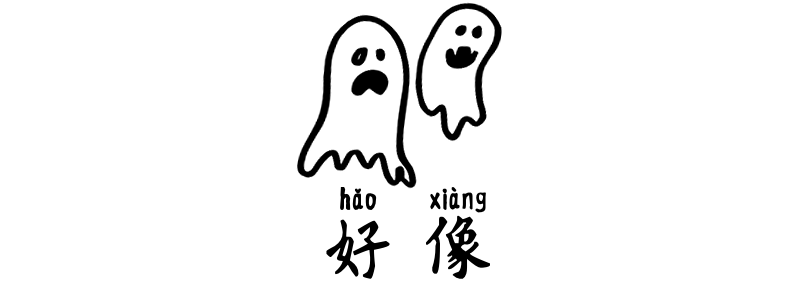
“Seems” in Chinese – 好像 hǎoxiàng
Grammar Point:The Chinese word 好像 hǎoxiàng is used to express the English phrase “seems” or “seems like.” It is commonly used to indicate that something appears or gives the impression of being a certain way, but it does not necessarily imply certainty. Structure S + 好像 hǎoxiàng + Comment/Description 好像 hǎoxiàng with a subject means…
Reduplication of Verbs in Chinese 1
OneDotDot Chinese Grammar · HSK 2 Grammar Point · HSK 2 Reduplication of Verbs 1 — V一一V, V了了V & V一下一下 Repeating a verb in Chinese softens it. It makes an action sound brief, casual, or like a quick try. You’ll hear it all the time in spoken Mandarin. There are three common forms: V(一一 yī)V…
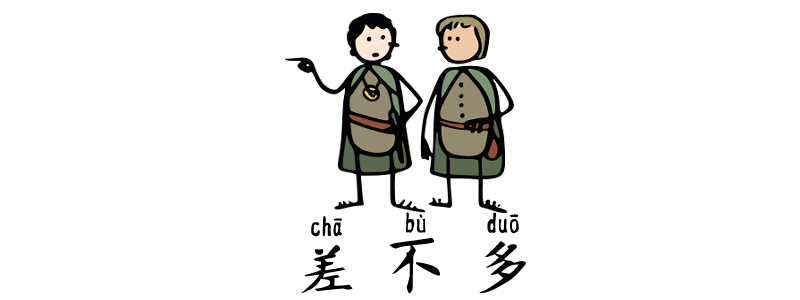
差不多 Chàbuduō Grammar
Grammar Point:差不多 chābùduōchàbuduō expresses the idea of “not much difference” or “almost the same.” It is often used to describe a situation where two things or situations are very similar or nearly identical. Structure S1 + (and + S2) + 差不多 Verb – It general means “about the same” in English. 我們wǒmen的de年紀niánjì差不多chābùduō我们wǒmen的de年纪niánjì差不多chàbuduōOur ages are about…
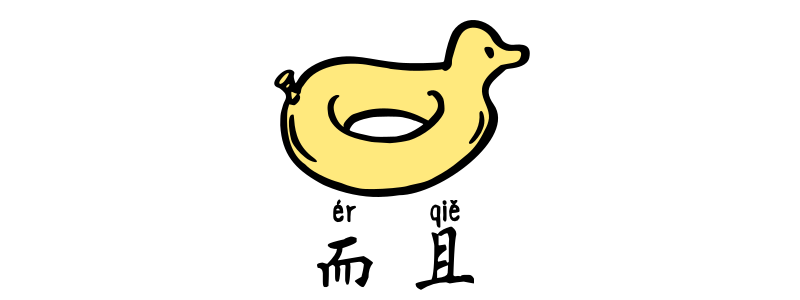
“Furthermore” in Chinese – érqiě
Grammar Point:In Chinese, “furthermore” can be expressed using the word 而且 érqiě. It’s a conjunction used to connect related information, often adding emphasis. Structure S + V/Adj +,而且 érqiě + V/Adj 台灣Táiwān的de水果shuǐguǒ甜tián而且érqiě便宜piányí台湾Táiwān的de水果shuǐguǒ甜tián而且érqiě便宜piányiTaiwanese fruits are sweet and inexpensive. 我wǒ每天měitiān都dōu有yǒu中文zhōngwén課kè, 而且érqiě我wǒ週末zhōumò的時候deshíhòu還hái做zuò語言yǔyán交換jiāohuàn我wǒ每天měitiān都dōu有yǒu中文zhōngwén课kè, 而且érqiě我wǒ周末zhōumò的时候deshíhòu还hái做zuò语言yǔyán交换jiāohuànI have Chinese classes every day, and during weekends, I also engage in language exchange. 我wǒ這幾天zhèjǐtiān一直yìzhí覺得juéde沒méi胃口wèikǒu,…
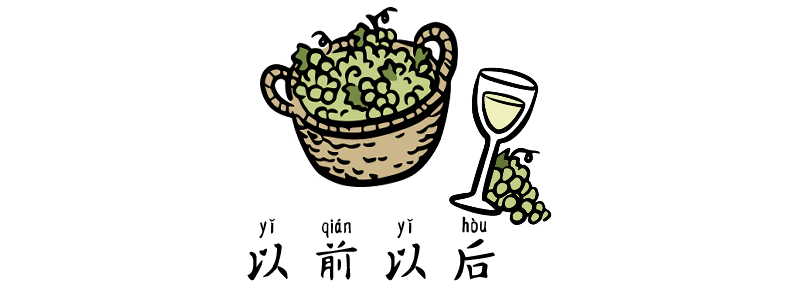
Before and After in Chinese
Grammar Point:The terms 以前 yǐqián (before) and 以後后 yǐhòu (after) are Chinese expressions used to indicate time references. Here’s an explanation of their grammar and usage: 以前 yǐqián Time or Verb + 以前 (Before) 你nǐ明天míngtiān8 點diǎn以前yǐqián必須bìxū到dào公司gōngsī你nǐ明天míngtiān8 点diǎn以前yǐqián必须bìxū到dào公司gōngsīYou must arrive at the company before 8 o’clock tomorrow. 我wǒ知道zhīdào我wǒ在zài做夢zuòmèng, 但是dànshì我wǒ希望xīwàng50 歲suì以前yǐqián能néng退休tuìxiū我wǒ知道zhīdào我wǒ在zài做夢zuòmèng, 但是dànshì我wǒ希望xīwàng50 岁suì以前yǐqián能néng退休tuìxiūI know I’m dreaming, but…
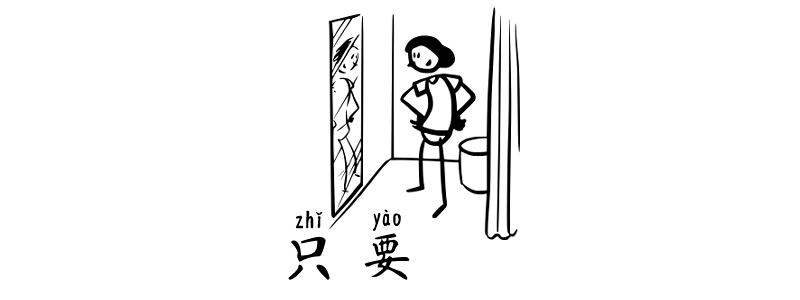
“As long as” in Chinese – zhǐyào
Grammar Point:The term “as long as” can be translated to 只要 zhǐyào in Chinese. It is commonly used to express a condition or requirement that needs to be met for something to happen or be true. Structure 只要 + condition + 就 + result 只要zhǐyào你nǐ在zài我wǒ身邊shēnbiān, 我wǒ就jiù會huì很hěn開心kāixīn只要zhǐyào你nǐ在zài我wǒ身边shēnbiān, 我wǒ就jiù会huì很hěn开心kāixīnAs long as you’re by my side, I will…
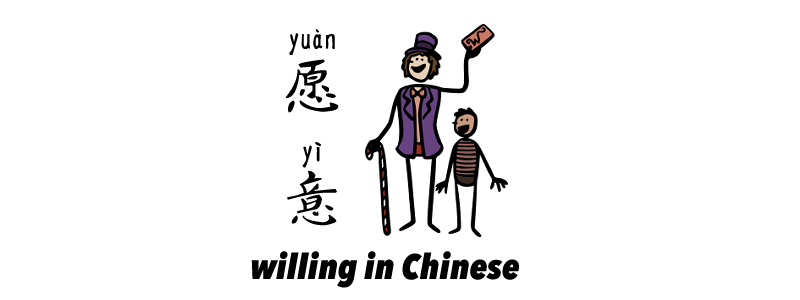
“Willing” in Chinese – yuànyì
Grammar Point:願愿意 yuànyì is a Chinese term that conveys the meaning of “willing” in English. It is commonly used to indicate a person’s willingness or readiness to do something. Structure S + 願意/愿意 + V 我wǒ願意yuànyì幫助bāngzhù你nǐ我wǒ愿意yuànyì帮助bāngzhù你nǐI am willing to help you. 他tā願意yuànyì參加cānjiā我們wǒmen的de計劃jìhuà他tā愿意yuànyì参加cānjiā我们wǒmen的de计划jìhuàHe is willing to participate in our project. 你nǐ願意yuànyì和hé我wǒ一起yìqǐ去qù嗎ma? 你nǐ愿意yuànyì和hé我wǒ一起yìqǐ去qù吗ma? Are you willing to…
Tag Questions in Chinese
OneDotDot Chinese Grammar · HSK 2 Grammar Point · HSK 2 Tag Questions 可以嗎可以吗 kěyǐ ma、好嗎好吗 hǎo ma & 行嗎行吗 xíng ma A tag question is a short question added to the end of a statement, like “…, okay?” or “…, is that alright?” In Chinese, you just say your idea, add a comma, then…