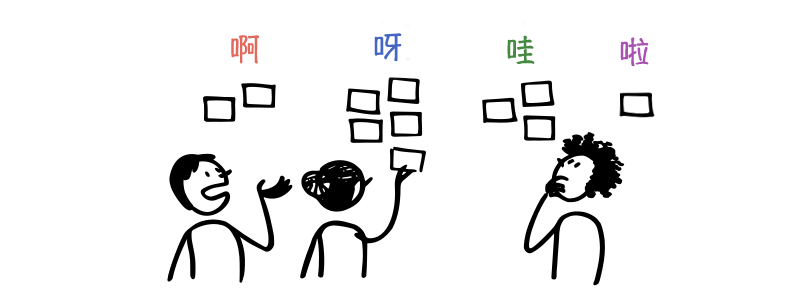
TouchHover over the space to see the answers. Linking sounds practice – 啊 / 呀 / 哇 / 哪 Different way to say “YES” in Chinese 可以kěyǐ( 呀ya) 可以kěyǐ( 呀ya) 對duì( 呀ya) 对duì( 呀ya) 好hǎo( 哇wa) 好hǎo( 哇wa) 是shì( 啊a) 是shì( 啊a) 行xíng( 啊a) 行xíng( 啊a) 要yào( 哇wa) 要yào( 哇wa) 會huì( 呀ya) 会huì( 呀ya) Okay…
Category: HSK 2
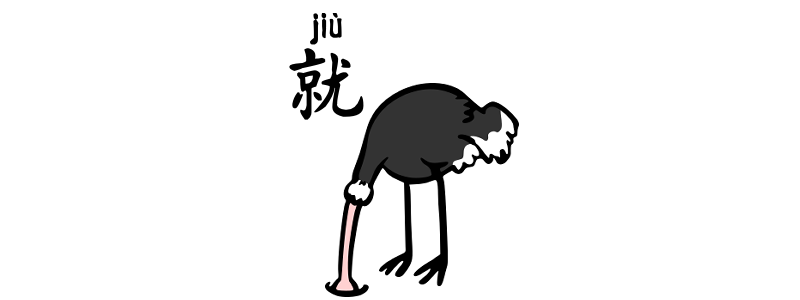
就 jiù Chinese grammar – Then
OneDotDot Chinese Grammar · HSK 2 Grammar Point · HSK 2 就 jiù — “Then” 就 jiù often maps to “then” in English, but not always — it marks the action that follows once the situation set up earlier in the sentence has happened. 就 jiù sits right before the verb phrase and points to…
是 shì … 的 de Structure 1
Grammar Point: The 是 shì … 的 de structure is used in Chinese to provide emphasis on specific details of a past action or event. It is used to draw attention to the time, place, manner, or other specific details of an action or event, and to give additional information or explanation. This structure is…
Wugang fagui 2
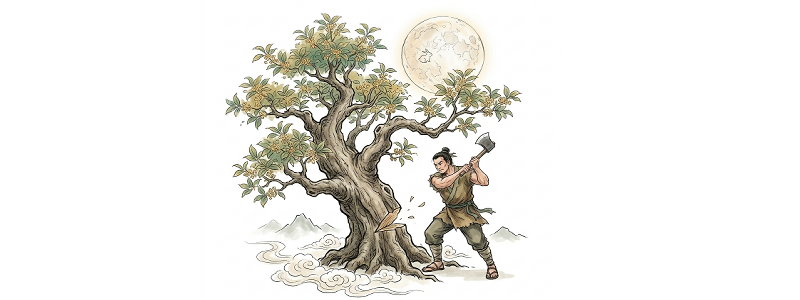
Story · HSK 2+ · Moon Festival 吳 Wugang Fagui — Part 2 吳剛伐桂(下)吴刚伐桂(下) Posted April 7, 2023 Author Tiffany Reading time 8 mins This story is one of the most famous stories associated with the Moon Festival. However, there are three different versions of it, each with slight variations — so if you hear…
Wugang Fagui 1
Story · HSK 2+ · Moon Festival 吳 Wugang Fagui 吳剛伐桂(上)吴刚伐桂(上) Posted April 6, 2023 Author Tiffany Reading time 7 mins This story is one of the most famous stories associated with the Moon Festival. However, there are three different versions of it, each with slight variations — so if you hear a different telling,…
Synonyms of “Again” in Chinese – Practice
TouchHover over the space to see the answers. Fill in the correct word – 又/再/還还/重 這zhè麵miàn太tài好hǎo吃chī了le, 我wǒ吃chī完wán一碗yìwǎn了le, 但是dànshì( 還hái) 想xiǎng( 再zài) 吃chī一碗yìwǎn这zhè面miàn太tài好hǎo吃chī了le, 我wǒ吃chī完wán一碗yìwǎn了le, 但是dànshì( 还hái) 想xiǎng( 再zài) 吃chī一碗yìwǎnThese noodles are so good. I ate one bowl, but still want to eat another one. 自從zìcóng在zài台灣táiwān吃chī過guò一次yícì牛肉麵niúròumiàn後hòu, 我wǒ就jiù一直yìzhí想xiǎng( 再zài) 吃chī一次yícì自从zìcóng在zài台湾táiwān吃chī过guò一次yícì牛肉面niúròumiàn后hòu, 我wǒ就jiù一直yìzhí想xiǎng( 再zài) 吃chī一次yícìEver since I ate beef noodles…
Because and so in Chinese – yīnwèi and suǒyǐ
OneDotDot Chinese Grammar · HSK 2 Grammar Point · HSK 2 因為 yīnwèi因为 yīnwèi & 所以 suǒyǐ所以 suǒyǐ — “Because” & “So” 因為 yīnwèi因为 yīnwèi introduces a reason, and 所以 suǒyǐ所以 suǒyǐ introduces the result. In Chinese, the two almost always travel together in the same sentence. When you explain why something happened, Chinese usually…
HSK2 Reading Practice – Shēngrì Kuàilè
HSK2 Reading Practice Remember to use the menu at the top right of the article to switch between Traditional and Simplified Chinese. Article – 生日快樂乐 今天是小明的生日,他邀請了他的好朋友們來參加生日派對。派對上有許多好吃的食物和飲料,還有生日蛋糕和氣球。小明非常開心,因為他可以和朋友們一起玩耍和享受美食。今天是小明的生日,他邀请了他的好朋友们来参加生日派对。派对上有许多好吃的食物和饮料,还有生日蛋糕和气球。小明非常开心,因为他可以和朋友们一起玩耍和享受美食。 他們一起玩了很多遊戲,像是跳繩、踢足球和玩捉迷藏。大家都非常開心,笑聲不斷。到了晚上,他們還看了一部有趣的電影,小明的媽媽為他們準備了很多爆米花。他们一起玩了很多游戏,像是跳绳、踢足球和玩捉迷藏。大家都非常开心,笑声不断。到了晚上,他们还看了一部有趣的电影,小明的妈妈为他们准备了很多爆米花。 當派對快結束的時候,小明收到了一份來自祖父母的禮物。禮物是一本關於動物的書,小明非常興奮,因為他一直對動物很感興趣。他決定明天就開始看這本書。当派对快结束的时候,小明收到了一份来自祖父母的礼物。礼物是一本关于动物的书,小明非常兴奋,因为他一直对动物很感兴趣。他决定明天就开始看这本书。 Questions Shēngrì kuàilè Jīntiān shì Xiǎomíng de shēngrì, tā yāoqǐngle tā de hǎo péngyǒumen lái cānjiā shēngrì pàiduì. Pàiduì shàng yǒu xǔduō hǎochīde shíwù hé yǐnliào, háiyǒu…
HSK2 Reading Practice – Story of a Little Dog
HSK2 Reading Practice Remember to use the menu at the top right of the article to switch between Traditional and Simplified Chinese. Vocabulary 聰明cōngmíng聪明cōngmingsmart; intelligent 他tā是shì一個yíge非常fēicháng聰明cōngmíng的de學生xuéshēng他tā是shì一个yíge非常fēicháng聪明cōngming的de学生xuéshengHe is a very smart student. 玩耍wánshuǎ玩耍wánshuǎto play 小朋友xiǎopéngyǒu們men在zài公園gōngyuán裡lǐ開心kāixīn地de玩耍wánshuǎ小朋友xiǎopéngyou们men在zài公园gōngyuán里lǐ开心kāixīn地de玩耍wánshuǎThe children are happily playing in the park. 散步sànbù散步sànbùtake a walk 晚飯wǎnfàn後hòu, 我們wǒmen喜歡xǐhuān去qù河邊hébiān散步sànbù晚饭wǎnfàn后hòu, 我们wǒmen喜欢xǐhuan去qù河边hébiān散步sànbùWe like to take a walk by the river…
過/过 guò Grammar
Grammar Point:The particle 過过 guò is used to talk about something you have or haven’t experienced in the past. It always goes right after the verb. Structure S + V + 過过 guò + O 我wǒ去qù過guò中國Zhōngguó我wǒ去qù过guò中国ZhōngguóI have been to China. 你nǐ看kàn過guò這zhè部bù電影diànyǐng嗎ma? 你nǐ看kàn过guò这zhè部bù电影diànyǐng吗ma? Have you seen this movie before? 我wǒ見jiàn過guò他tā我wǒ见jiàn过guò他tāI have met him before. 我wǒ說shuō過guò嗎ma??我wǒ说shuō过guò吗ma??Have I said that before?…