Skip to content

OneDotDot Chinese

Learn a little Chinese every day

Menu
  • Vocabulary
  • Grammar
  • Resources
  • Practice
  • Shop
Menu

Category: HSK 2

For in Chinese 為 为 wèi

“For” in Chinese 1 – 為/为 wèi

Posted on May 24, 2023May 24, 2023 by tiffany

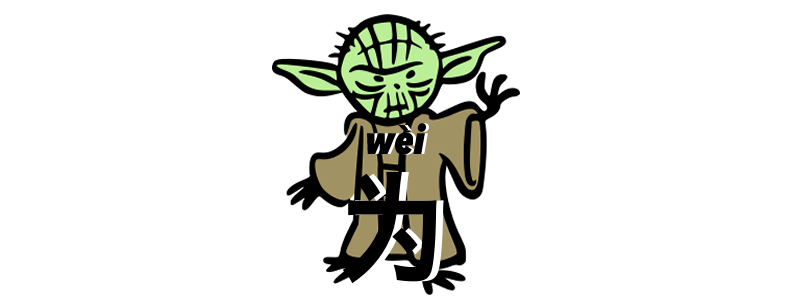
Grammar Point:為为 wèi has many functions in Mandarin Chinese. In this article, we are going to discuss how to use 為为 wèi to express the meaning of “for”. Structure 為/为 + Sth or Sb + Verb It is used to express the reason or motivation behind an action. 為wèi大家dàjiā的de健康jiànkāng乾杯gānbēi为wèi大家dàjiā的de健康jiànkāng干杯gānbēiCheers to everyone’s health. 為wèi孩子háizi戒jiè菸yān为wèi孩子háizi戒jiè烟yānQuit smoking for…

Read more

Chinese Bigger Numbers

Posted on May 20, 2023May 18, 2023 by tiffany

Grammar Point:In Chinese, numbers beyond 10,000 follow a different naming pattern compared to English. Understanding how to express bigger numbers in Chinese is essential for effective communication. Let’s explore the structure and naming conventions of Chinese bigger numbers. Thousands: To express numbers in the thousands (e.g., 1000, 2000, 3000), the basic numerals are combined with…

Read more
Chinese pronouns

Pronouns in Chinese 2

Posted on May 17, 2023May 14, 2023 by tiffany

Grammar Point:Mandarin Chinese has a relatively small number of pronouns, and unlike many European languages, there is no need to worry about subject-verb agreement. It 牠tā它tāit (for animal) 牠的tāde它的tādeits (for animal) 牠tā它tāit (for animal) 祂tā祂tāit (for God) 祂的tāde祂的tādeits (for God) 祂tā祂tāit (for God) 它們tāmen它们tāmenthey 它們的tāmende它们的tāmendetheir 它們tāmen它们tāmenthem 我wǒ家jiā有yǒu貓māo有yǒu狗gǒu, 牠們tuómen都dōu是shì我的wǒde好hǎo朋友péngyǒu我wǒ家jiā有yǒu猫māo有yǒu狗gǒu, 它们tāmen都dōu是shì我的wǒde好hǎo朋友péngyouI have both cats and dogs at…

Read more
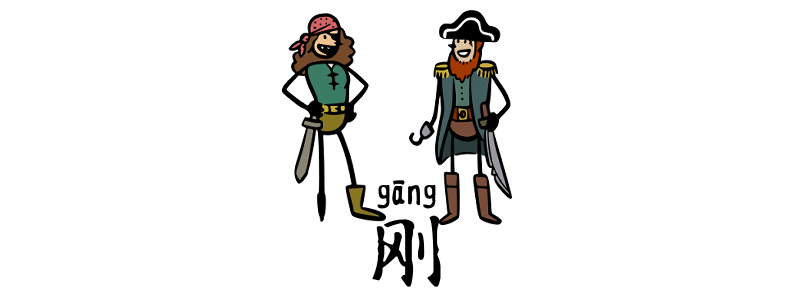
刚 gāng and 刚刚 gānggāng

剛剛 gānggāng and 刚 gāng

Posted on May 10, 2023May 5, 2023 by tiffany

Grammar Points:The words “剛刚 gāng” and “剛剛刚刚 gānggāng” are used to indicate an action that has just happened a short while ago. However, there are some subtle differences in their meanings and usage: 剛/刚 gāng It is an adverb that can only be used before a verb or adjctive and after a subject. It emphasizes…

Read more
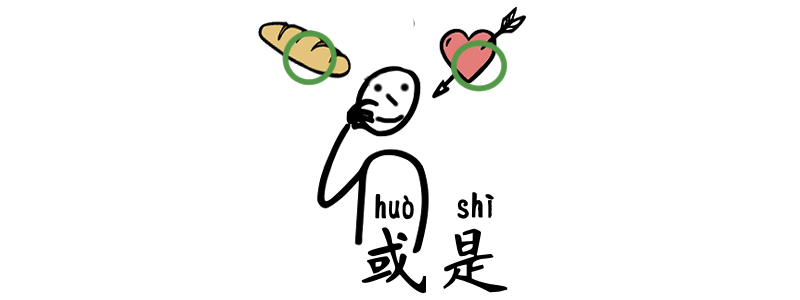
either or in chinese 或是 huòshì 或者 huòzhě

Expressing “either…or” with 或者 huòzhě

Posted on May 9, 2023May 5, 2023 by tiffany

Grammar Point:或者 huòzhě and 或是 huòshì both mean “or” in Chinese, but they are used to express a preference or emphasis on one of the options. It can be translated as “either…or” in English. Structure Option 1 + 或者 or 或是 + Option 2 或者 huòzhě is generally considered more formal and literary than 或是…

Read more
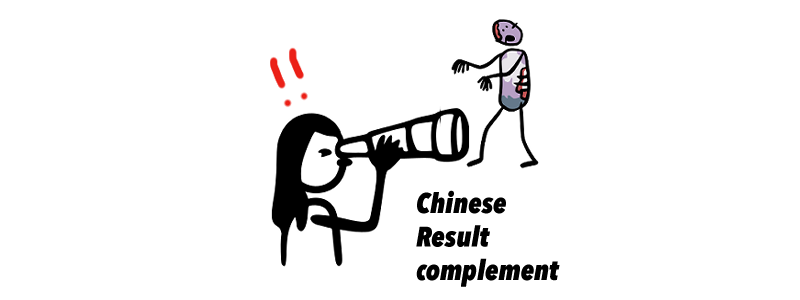
Chinese Result complement 結果補語

Result Complement 1 Practice

Posted on May 2, 2023May 7, 2023 by tiffany

TouchHover over the space to see the answers. Fill in the correct result complements and verbs 你nǐ( 做錯zuòcuò) 了le事shì, 就jiù應該yīnggāi跟gēn人rén道歉dàoqiàn你nǐ( 做错zuòcuò) 了le事shì, 就jiù应该yīnggāi跟gēn人rén道歉dàoqiànYou should apologize when you do something wrong. 爺爺yéye沒有méiyǒu牙齒yáchǐ, 所以suǒyǐ他tā說shuō的de話huà很hěn難nán( 聽懂tīngdǒng) 爷爷yéye没有méiyǒu牙齿yáchǐ, 所以suǒyǐ他tā说shuō的de话huà很hěn难nán( 听懂tīngdǒng) Grandpa doesn’t have teeth, so it’s hard to understand what he’s saying. 打掃dǎsǎo了le一整個yìzhěngge下午xiàwǔ, 終於zhōngyú把bǎ房間fángjiān( 打掃 乾淨dǎsǎo gānjìng) 了le打扫dǎsǎo了le一整个yìzhěngge下午xiàwǔ, 终于zhōngyú把bǎ房间fángjiān(…

Read more
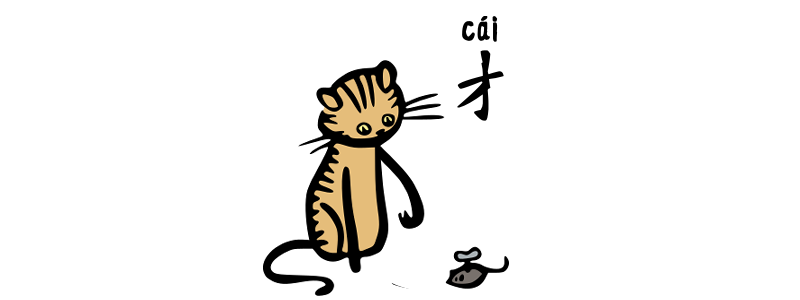
才 cái Chinese Grammar

Lateness 才 cái Grammar

Posted on April 23, 2023April 23, 2023 by tiffany

Grammar Point:才 cái has the function of indicating an occurrence that happened later or slower than expected. It can also be used to express “as late as” or “not until” in English. Structure S + Time word + 才 cái + V 不好意思bùhǎoyìsi, 你們nǐmen先xiān吃chī吧ba! 我wǒ大概dàgài八bā點diǎn才cái會huì到dào不好意思bùhǎoyìsi, 你们nǐmen先xiān吃chī吧ba! 我wǒ大概dàgài八bā点diǎn才cái会huì到dàoSorry, you go ahead and eat first! I probably…

Read more
就 jiù Chinese Grammar

Condition if 就 jiù Grammar

Posted on April 17, 2023April 21, 2023 by tiffany

Grammar Point:When 就 jiù is used with 如果 rúguǒ, it usually implies that if the condition in the “if” clause is met or becomes true, then the result or consequence in the main clause will also happen. It can be translated as “in the case that” or “if…then…” in English Structure 如果 rúguǒ ··· +…

Read more

Earliness 就 jiù Grammar

Posted on April 16, 2023August 15, 2026 by tiffany

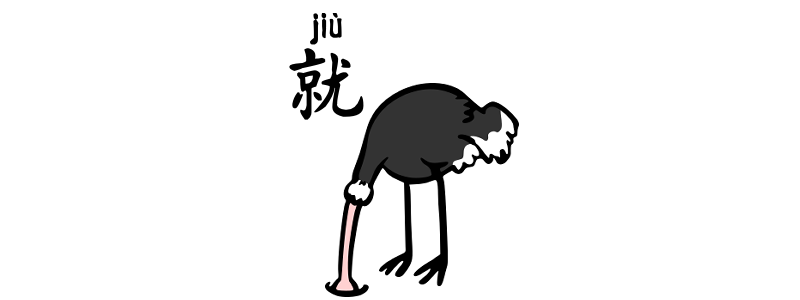
OneDotDot Chinese Grammar · HSK 2 Grammar Point · HSK 2 就 jiù — Earliness 就 jiù can flag something happening earlier or sooner than expected — or something about to happen right away, in the very near future. This use of 就 jiù has two closely related jobs: signaling something is about to happen…

Read more
就是 jiùshì Chinese Grammar

Exactly 就是 jiùshì Grammar

Posted on April 15, 2023April 21, 2023 by tiffany

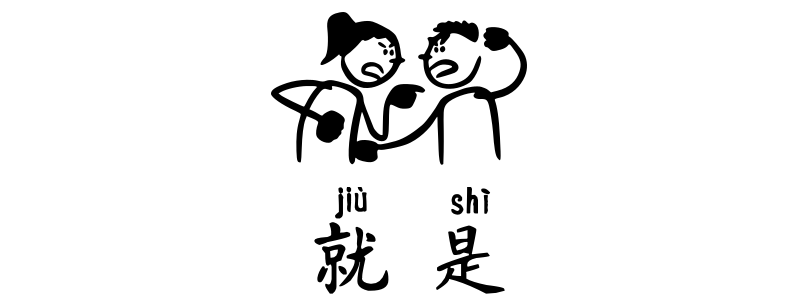
Grammar Point:As an adverb, 就 jiù can be placed before the predicate to add emphasis. “就是 jiùshì” is used to emphasize or confirm a statement. It can be translated into English as “exactly,” “indeed,” or “only because.” Structure 就是 jiùshì + N/SV A: 喂wéi? 請qǐng找zhǎoTiffany A: 喂wéi? 请qǐng找zhǎoTiffany Hello? May I speak to Tiffany, please?B: 我wǒ就是jiùshìB: 我wǒ就是jiùshìThis…

Read more

Posts pagination

  • Previous
  • 1
  • …
  • 4
  • 5
  • 6
  • 7
  • 8
  • 9
  • 10
  • …
  • 14
  • Next
當代中文当代中文 · Series

Contemporary Chinese

Volume Book 1 Volume Book 2 Coming Soon Book 3 Coming Soon Book 4
中文聽說讀寫中文听说读写 · Series

INTEGRATED CHINESE

Coming Soon Book 1 Coming Soon Book 2 Coming Soon Book 3 Coming Soon Book 4

OneDotDot Chinese

When a foreign friend says their Chinese is "yì diǎn diǎn" (just a little), this site exists to make that little bit grow, one day at a time.

  ABOUT

  About Me
  Special Thanks
  News
  My Students Only

  CONTACT

  LinkedIn
  Instagram
  Privacy Policy

© 2026 OneDotDot Chinese | Powered by Superbs Personal Blog theme