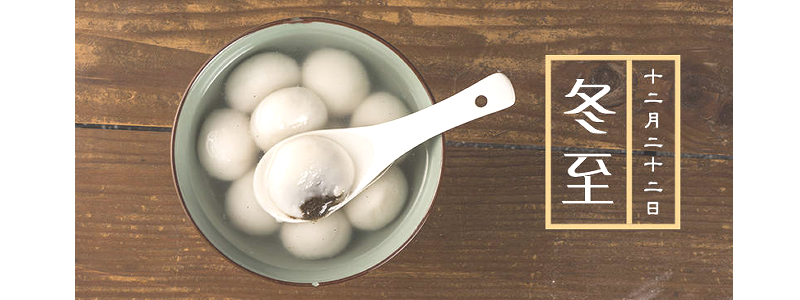
Dongzhi
冬至冬至是華人文化中一個很重要的日子,通常在是华人文化中一个很重要的日子,通常在12月21日到23日之間12月21日到23日之间。這一天是一年中。这一天是一年中白天最短、晚上最長白天最短、晚上最长的一天。從冬至開始,白天會一天一天變長,代表的一天。从冬至开始,白天会一天一天变长,代表新的開始和希望新的开始和希望。。
The Winter Solstice, known as Dongzhi 冬至, is one of the most important seasonal festivals in Chinese culture. It usually falls around December 21–23, marking the shortest day and longest night of the year. From this day on, daylight gradually becomes longer, symbolizing renewal, balance, and hope.
In China
在在中國中国,人們覺得冬至是一個天氣開始慢慢變暖的重要時間。很多家庭會在這一天一起吃飯,吃一些可以讓身體變暖的食物。南方的人常吃,人们觉得冬至是一个天气开始慢慢变暖的重要时间。很多家庭会在这一天一起吃饭,吃一些可以让身体变暖的食物。南方的人常吃湯圓汤圆,北方的人則常吃,北方的人则常吃餃子饺子。大家相信,吃了這些食物,冬天會比較不容易生病。。大家相信,吃了这些食物,冬天会比较不容易生病。
In China, Dongzhi has traditionally been seen as a time when yin energy reaches its peak and yang energy begins to grow. Families gather to eat warming foods, especially tangyuan (glutinous rice balls) in the south and dumplings in the north, believing these foods bring good health and protection during winter.
In Taiwan
在在台灣台湾,冬至也和,冬至也和有很大的關係。很多人會在冬至吃湯圓,表示自己有很大的关系。很多人会在冬至吃汤圆,表示自己又長大一歲了又长大一岁了。有些家庭也會準備食物,拜祖先或家裡的神明,感謝他們的保護。。有些家庭也会准备食物,拜祖先或家里的神明,感谢他们的保护。
In Taiwan, Dongzhi is also closely connected to family, tradition, and folk beliefs. Eating tangyuan is believed to symbolize growing older by one year, and in some families, offerings are made to ancestors or household gods. Compared to Mainland China, Taiwanese Dongzhi customs place stronger emphasis on home rituals and symbolic foods, making the festival feel both intimate and meaningful.
Tangyuan In Taiwan
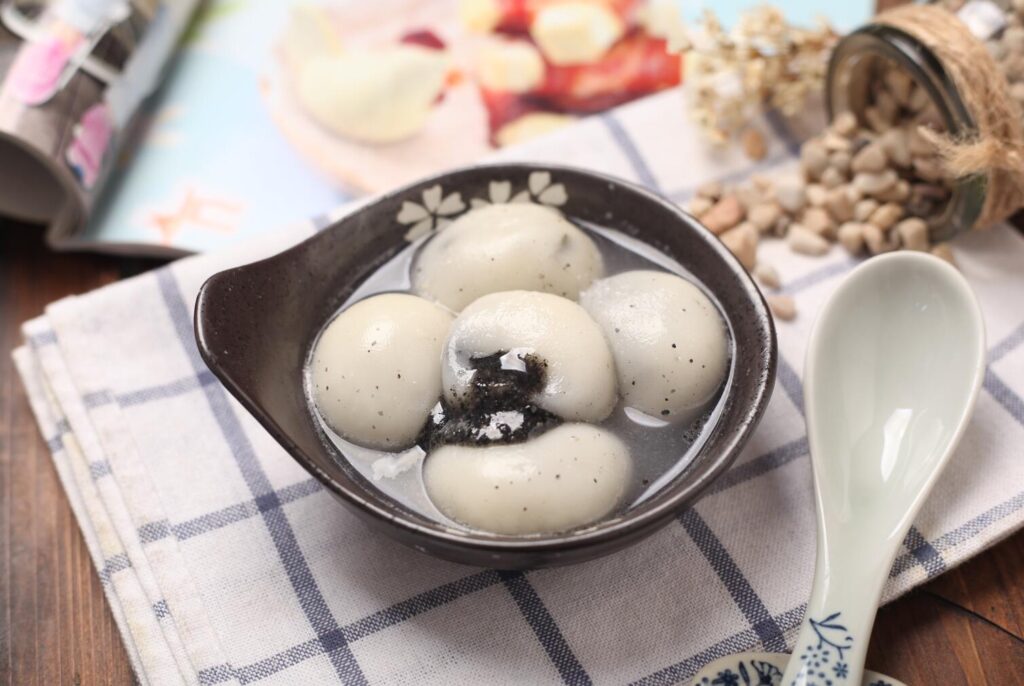
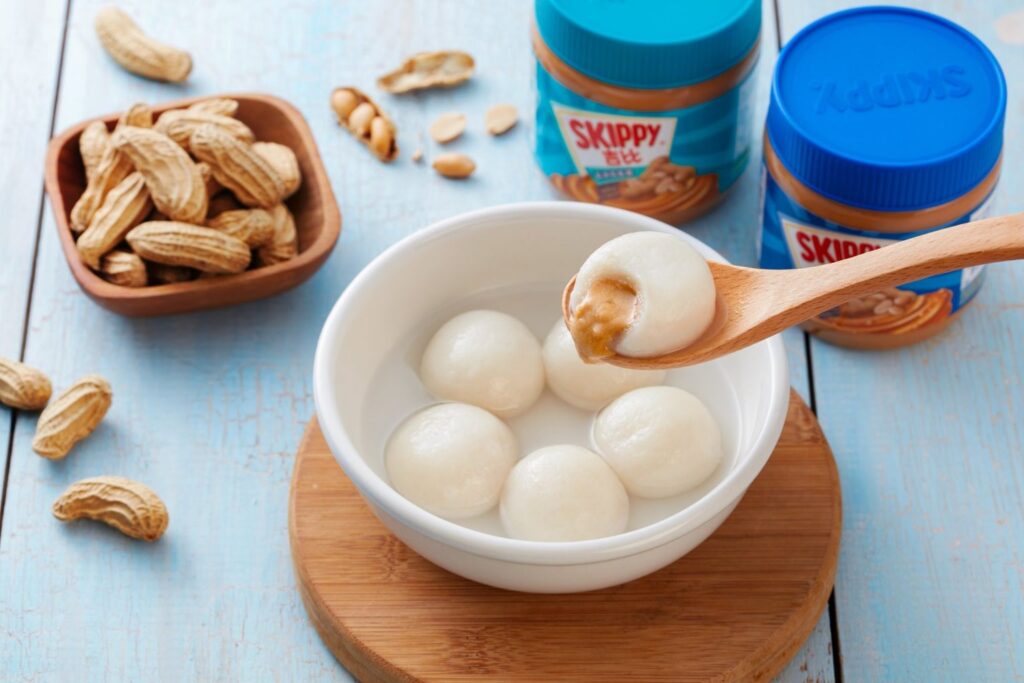
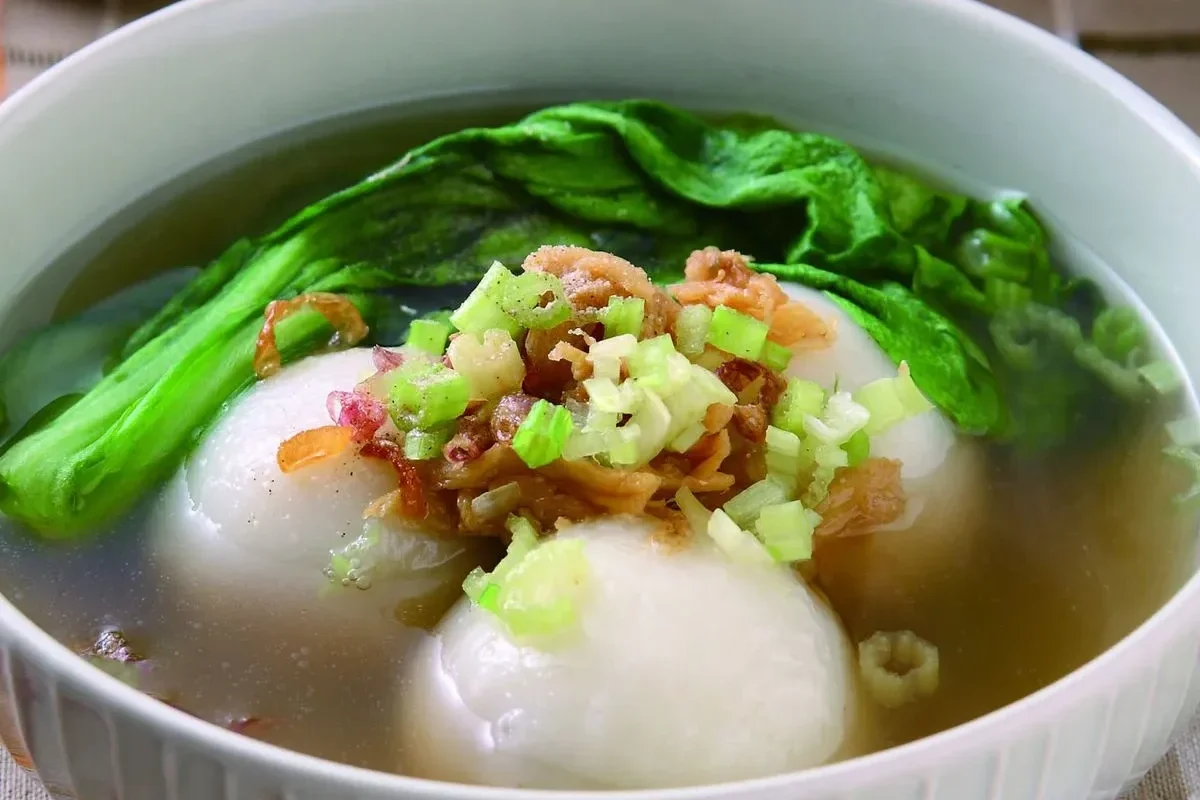
On the day of the Winter Solstice, people in Taiwan always eat tangyuan. Tangyuan are made from glutinous rice and are round in shape. Because “round 圆 yuán” means togetherness 团圆 tuányuán, eating tangyuan is a way to show that the family is together and happy.
In Taiwan, there are two traditional kinds of tangyuan: sweet tangyuan and savory tangyuan. Sweet tangyuan are filled with peanuts, sesame, or red beans and are eaten in sweet soup. Savory tangyuan have no filling, but the soup is cooked with meat, mushrooms, and vegetables, making it warm and comforting. On this day, families often make tangyuan together at home and offer them during worship, which makes the festival feel even more special.
There is a popular saying in Taiwan: “After eating tangyuan, you are one year older.” This means people believe eating tangyuan brings growth and good luck. Families also take this time to thank their ancestors and gods, hoping for a year that is complete 圆满 yuánmǎn, smooth 圆融 yuánróng, and full of blessings.
Today, tangyuan are no longer just traditional. Many fun and creative flavors have appeared! You can find matcha tangyuan, tiramisu tangyuan, strawberry tangyuan, taro tangyuan, fresh meat tangyuan, and even the surprising cilantro tangyuan. No matter the flavor, tangyuan continue to bring warmth, smiles, and a sense of togetherness to Winter Solstice celebrations in Taiwan.
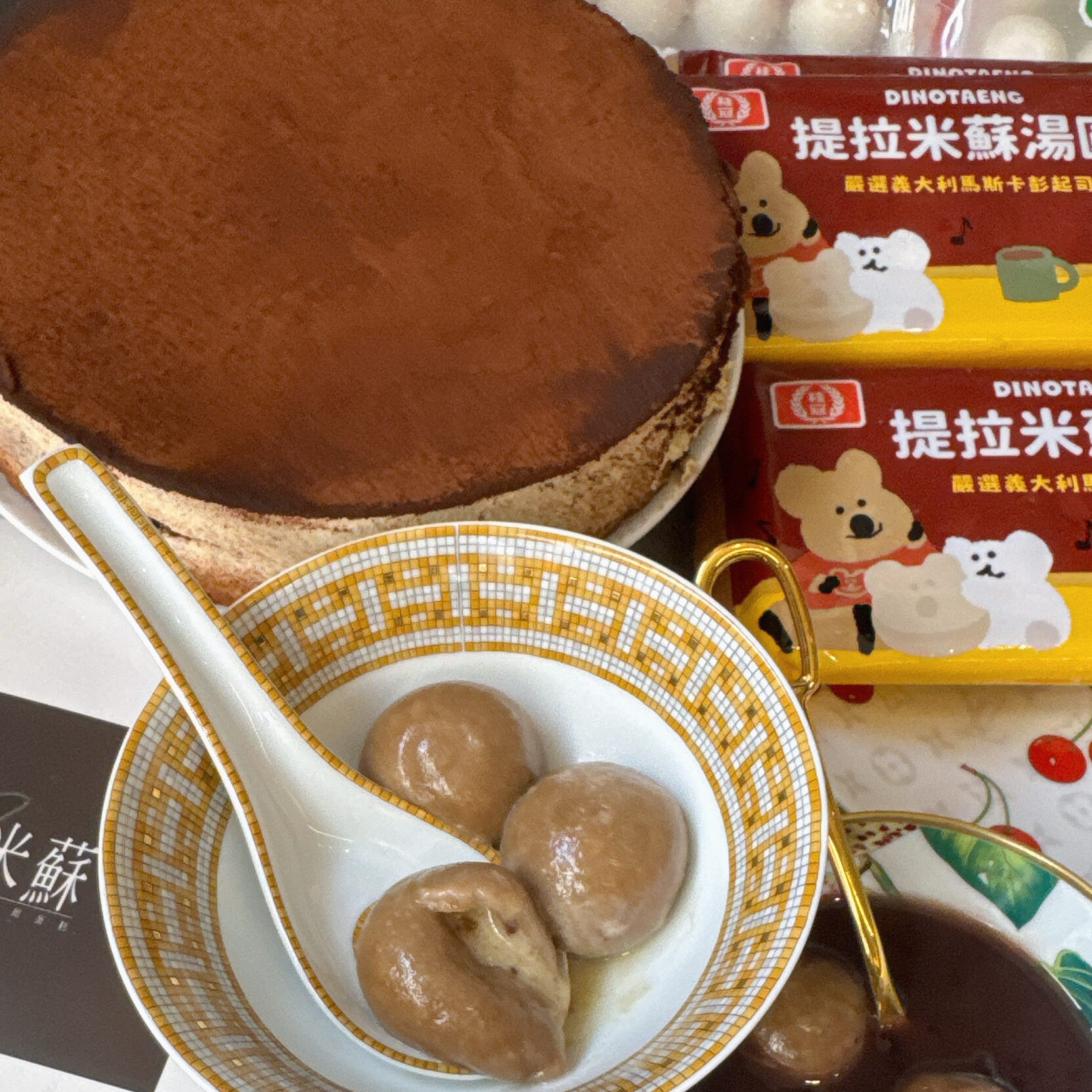
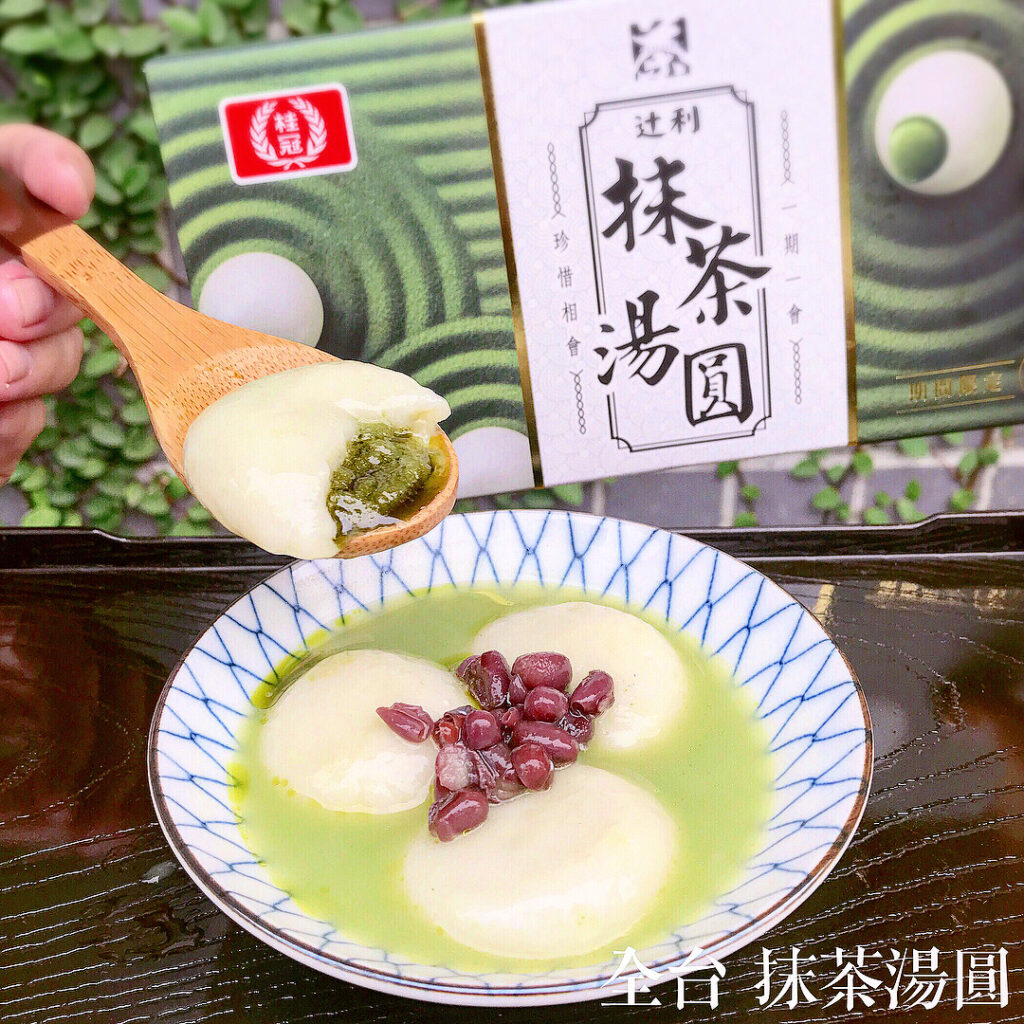
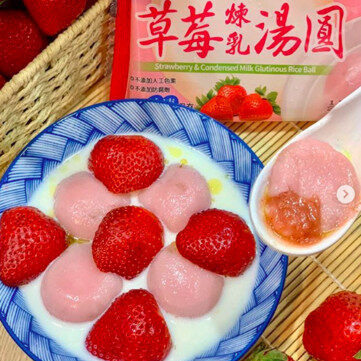
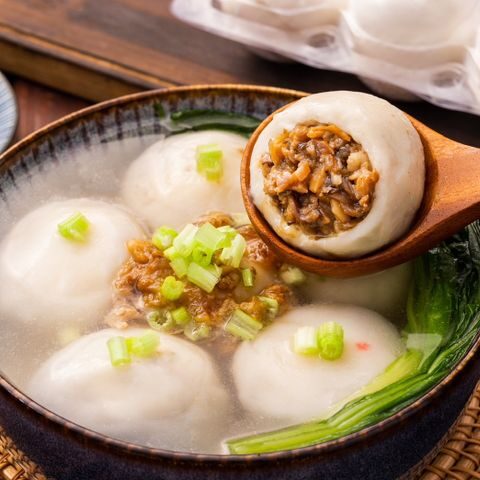
Actually, besides the traditional hot tangyuan, if you visit in summer, I highly recommend trying Yu Pin Yuan’s Iced and Hot Tangyuan (御品元冰火湯圓) in Taipei! 😋 Imagine hot, chewy rice balls sitting on a bed of shaved ice, with a splash of fresh lemon juice and sweet osmanthus syrup. It’s sweet but not too heavy, and the hot-and-cold combo is just so fun to eat. This refreshing dessert is even a Bib Gourmand–recommended local snack!
Fun Fact
In Taiwan, when you eat tangyuan, you’re supposed to eat an even number, because good things always come in pairs. And here’s another important rule: don’t eat tangyuan alone! You should eat them with your family or friends, so you won’t be lonely in the coming year.
But don’t worry! If you really have no one to eat with, just go to a tangyuan shop on the street. Who knows? You might just meet your new family there. 😉
Story of Why We Eat Tangyuan
Long ago, on a Winter Solstice day, a poor family came to a town. They were a father, a mother, and a young daughter. The weather was very cold, and they had no food. The mother became sick and later died.
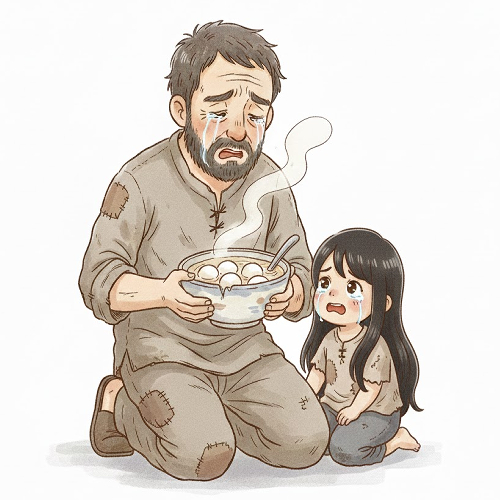
The father wanted to give his wife a burial, but he had no money. So he had no choice but to sell his daughter to a wealthy family.. When the daughter knew she had to leave her father, she was very sad and fainted. The father asked for a bowl of rice soup and fed her slowly, one spoon at a time, until she woke up.
Later, the father asked for some glutinous rice balls. He wanted to give them to his daughter. But neither of them wanted to eat first. The father said:
“After today, we will be separated, just like this rice ball being split in two. Let’s wait until the day we are reunited to eat whole rice balls again, okay?”
They cried as they ate the rice balls, and then they said goodbye.
Three years passed. The father never came back. Every Winter Solstice, the daughter missed her father more and more. She thought, Maybe my father is still poor and doesn’t want to see me.
Then she had an idea. She said to the family she lived with,
“Today is the Winter Solstice. Every family eats rice balls, so the door gods should eat them too.”
The family agreed. The girl made two big, round rice balls and stuck them on the door. She hoped her father would see them and know this was her home.
But the father did not come.
The next year, she put rice balls on the door and the window again. The neighbors saw this and thought it was a nice idea about family and reunion, so they did it too.
And that is how this Winter Solstice tradition began.

