Skip to content

OneDotDot Chinese

Learn a little Chinese every day

Menu
  • Vocabulary
  • Grammar
  • Resources
  • Practice
  • Shop
Menu

腦袋有洞 nǎodài yǒudòng

Posted on May 4, 2023August 9, 2026 by tiffany

Table of Contents

Toggle
  • 動詞短語动词短语 VERB PHRASE
  • 例句例句
  • 對話对话
  • 辨析辨析
  • 快閃卡快闪卡
  • 跨語言跨语言

  • Text Display
  • ►Traditional
  • ►Simplified
  • Pinyin Display
  • ►Visible
  • ►Mouseover
  • ►Hidden
腦袋有洞

Naodai Youdong

腦袋有洞脑袋有洞 · Nǎodài yǒudòng
In one line
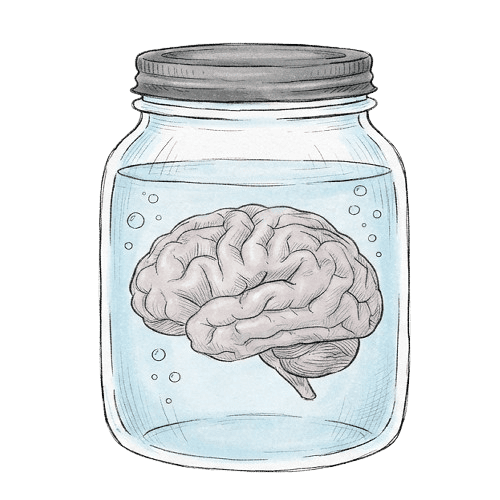
Literally “having a hole in one’s head” — a humorous or critical way to describe someone who is acting foolish, brainless, or absent-minded.
Definition

動詞短語动词短语 VERB PHRASE

Literally meaning “having a hole in the head,” this popular slang expression (especially common in Taiwan) suggests that a person’s brain has a leak or a hole, making them unable to think clearly or logically.

It can range from a lighthearted tease among friends when someone does something silly to a sharp criticism of someone’s foolish decisions.

In mainland China, you will often hear the equivalent phrase 腦子進水脑子进水 (nǎozi jìnshuǐ, “water in the brain”).

Examples

例句例句

你nǐ把bǎ電視diànshì遙控器yáokòngqì冰bīng在zài冰箱bīngxiāng裡lǐ是shì腦袋nǎodài有洞yǒudòng嗎ma?你nǐ把bǎ电视diànshì遥控器yáokòngqì冰bīng在zài冰箱bīngxiāng里lǐ是shì脑子nǎozi进水jìnshuǐ吗ma?
Do you have a screw loose for putting the TV remote in the fridge?
市長shìzhǎng決定juédìng要yào提高tígāo窮人qióngrén的de稅shuì來lái幫助bāngzhù富人fùrén,真zhēn的de是shì腦袋nǎodài不知道bùzhīdào有yǒu幾個jǐge洞dòng市长shìzhǎng决定juédìng要yào提高tígāo穷人qióngrén的de税shuì来lái帮助bāngzhù富人fùrén,真zhēn的de是shì脑袋nǎodài不知道bùzhīdào有yǒu几个jǐge洞dòng
The mayor’s decision to increase taxes for the poor to help the rich is really brainless.
我wǒ怎麼zěnme可能kěnéng喜歡xǐhuān他tā,你nǐ是shì腦袋nǎodài有洞yǒudòng嗎ma?我wǒ怎么zěnme可能kěnéng喜欢xǐhuan他tā,你nǐ是shì脑子nǎozi进水jìnshuǐ吗ma?
How could I possibly like him? Are you out of your mind?
Dialogue

對話对话

A
我wǒ沒有méiyǒu護照hùzhào怎麼辦zěnmebàn?我wǒ没有méiyǒu护照hùzhào怎么办zěnmebàn?
I don’t have a passport, what can I do?
B
你nǐ要yào護照hùzhào做zuò什麼shénme?你nǐ要yào护照hùzhào做zuò什么shénme?
What do you want the passport for?
A
明天míngtiān不bù是shì要yào去qù紐約Niǔyuē嗎ma?明天míngtiān不bù是shì要yào去qù纽约Niǔyuē吗ma?
Aren’t you going to New York tomorrow?
B
我們wǒmen的de班機bānjī是shì從cóng加州Jiāzhōu出發chūfā又yòu不bù是shì從cóng加拿大Jiānádà出發chūfā我们wǒmen的de班机bānjī是shì从cóng加州Jiāzhōu出发chūfā又yòu不bù是shì从cóng加拿大Jiānádà出发chūfā
Our flight is from California and not from Canada.
A
可是kěshì我們wǒmen坐zuò飛機fēijī去qù,坐zuò飛機fēijī就jiù要yào有yǒu護照hùzhào可是kěshì我们wǒmen坐zuò飞机fēijī去qù,坐zuò飞机fēijī就jiù要yào有yǒu护照hùzhào
But we go by plane, so we need a passport to fly.
B
我wǒ建議jiànyì你nǐ最近zuìjìn都dōu不要búyào低頭dītóu比較bǐjiào好hǎo我wǒ建议jiànyì你nǐ最近zuìjìn都dōu不要búyào低头dītóu比较bǐjiào好hǎo
I suggest you not to bow your head recently.
A
為什麼wèishénme?为什么wèishénme?
Why?
B
因為yīnwèi水shuǐ會huì流liú出來chūlái…因为yīnwèi水shuǐ会huì流liú出来chūlái…
Because the water will come out…
Don’t mix these up

辨析辨析

People often confuse different ways to talk about foolishness or poor decision-making in Chinese. Here is how they compare:

TermWhat it actually meansTone
腦袋有洞脑袋有洞nǎodài yǒudòng Acting foolish or lacking common sense (Taiwan usage) Humorous, teasing, or critical slang
腦子進水脑子进水nǎozi jìnshuǐ Having water in the brain — acting thoughtlessly or foolishly (Mainland China usage) Critical, casual slang
愚蠢yúchǔn Stupid or lacking intelligence Formal or serious

The quick test: 腦袋有洞脑袋有洞 is popular colloquial slang for doing silly things, and 愚蠢愚蠢 is a formal description of stupidity.

Flashcards

快閃卡快闪卡

Tap a card to flip it.

腦袋有洞脑袋有洞
nǎodài yǒudòng
Hole in the head — foolish, brainless (Taiwan)
腦子進水脑子进水
nǎozi jìnshuǐ
Water in the brain — thoughtless, silly (China)
愚蠢
yúchǔn
Foolish / stupid — formal and serious
胡思亂乱想
húsī luànxiǎng
Overthinking / wild imagination
Beyond Chinese

跨語言跨语言

Expressing that someone lacks common sense or has loose screws is a creative global phenomenon.

Korean · 정신 나갔다
정신이 나갔다 (jeongsin-i nagatda, “out of one’s mind”)
너 정신 나갔어? 그런 위험한 일을 왜 해?
Are you out of your mind? Why would you do something so dangerous?
Japanese · いかれポンチ
いかれポンチ (ikare ponchi)
あいつは本当にいかれポンチだね。
That guy is seriously a screwloose fool.

Etymology fact
The phrase “nǎodài yǒudòng” uses the humorous imagery of a physical hole in one’s head or skull. Just like a leaky container, a person with a “hole in the brain” cannot hold logic or common sense properly, leading to hilarious blunders and absurd actions.
Do you like it? 🙂
當代中文当代中文 · Series

Contemporary Chinese

Volume Book 1 Volume Book 2 Coming Soon Book 3 Coming Soon Book 4
中文聽說讀寫中文听说读写 · Series

INTEGRATED CHINESE

Coming Soon Book 1 Coming Soon Book 2 Coming Soon Book 3 Coming Soon Book 4

OneDotDot Chinese

When a foreign friend says their Chinese is "yì diǎn diǎn" (just a little), this site exists to make that little bit grow, one day at a time.

  ABOUT

  About Me
  Special Thanks
  News
  My Students Only

  CONTACT

  LinkedIn
  Instagram
  Privacy Policy

© 2026 OneDotDot Chinese | Powered by Superbs Personal Blog theme