方向补语 fāngxiàng bǔyǔ — Direction Complement 1
A 方向补语 fāngxiàng bǔyǔ attaches right after a verb to show which direction the action moves in — up, down, in, out, back, away, or across.
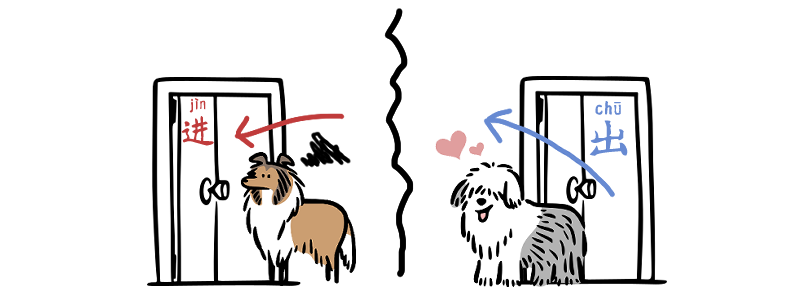
The structure is always V + Direction Word. Each direction word carries its own simple, literal meaning — once you know it, you can attach it to almost any verb of motion.
1 V + 来 lái / 去 qù
来 lái means movement toward the speaker; 去 qù means movement away from the speaker. Everything else in this article builds on this one distinction.
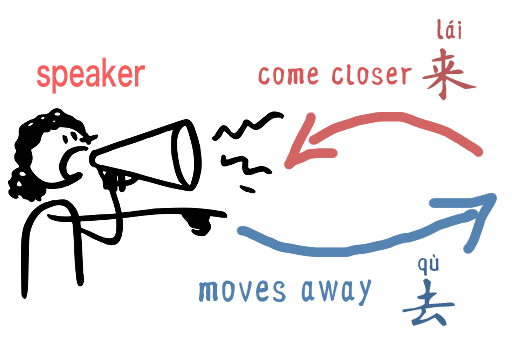
2 V + 进 jìn / 出 chū
进 jìn (“in”) and 出 chū (“out”) are usually used with an object that names a place.
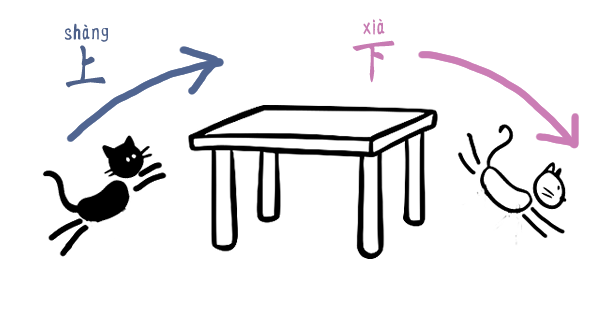
3 V + 上 shàng / 下 xià
上 shàng (“up”) and 下 xià (“down”) are typically used with a destination or a location — shown in orange below.
4 V + 起 qǐ
起 qǐ also indicates upward movement, but it’s a bit different from 上 shàng.
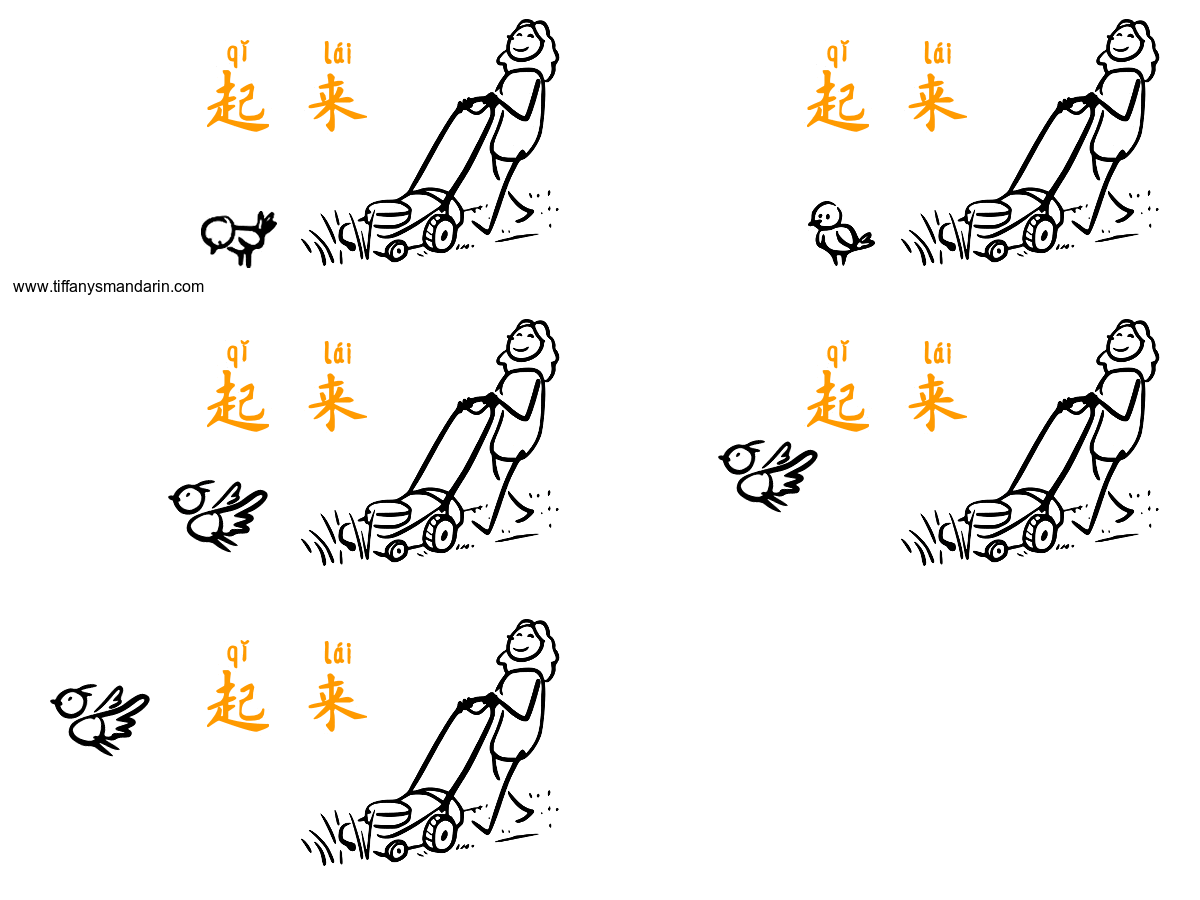
Both 上 shàng and 起 qǐ indicate upward movement. The key difference: 上 shàng usually needs a specific destination or surface (走上二楼 zǒu shàng èrlóu — up to the second floor), while 起 qǐ doesn’t (站起来 zhàn qǐlái — just up, no destination named).
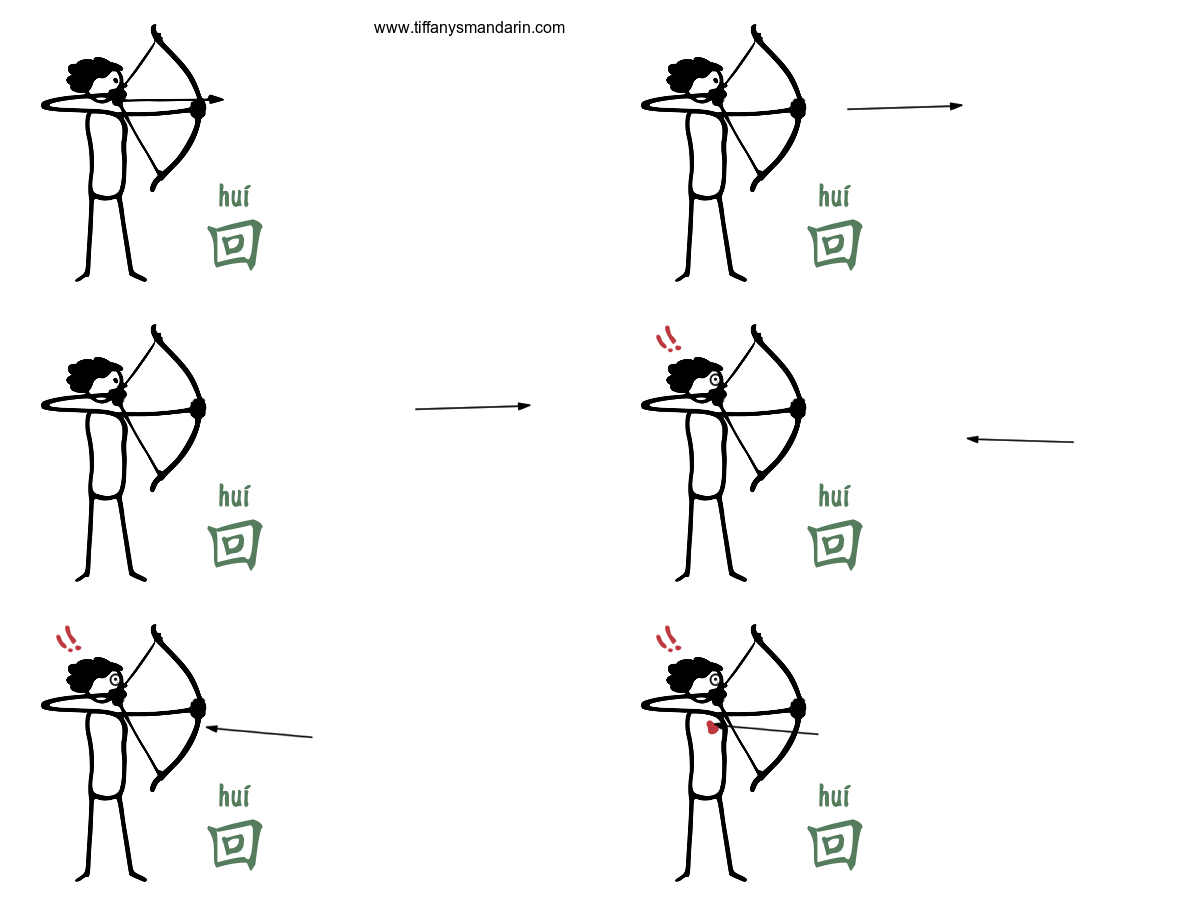
5 V + 回 huí
回 huí means returning to somewhere — home, the office, a place you’ve already been.
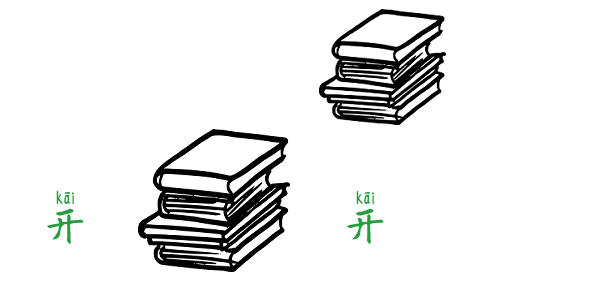
6 V + 开 kāi
开 kāi shows something or someone moving away, creating distance.
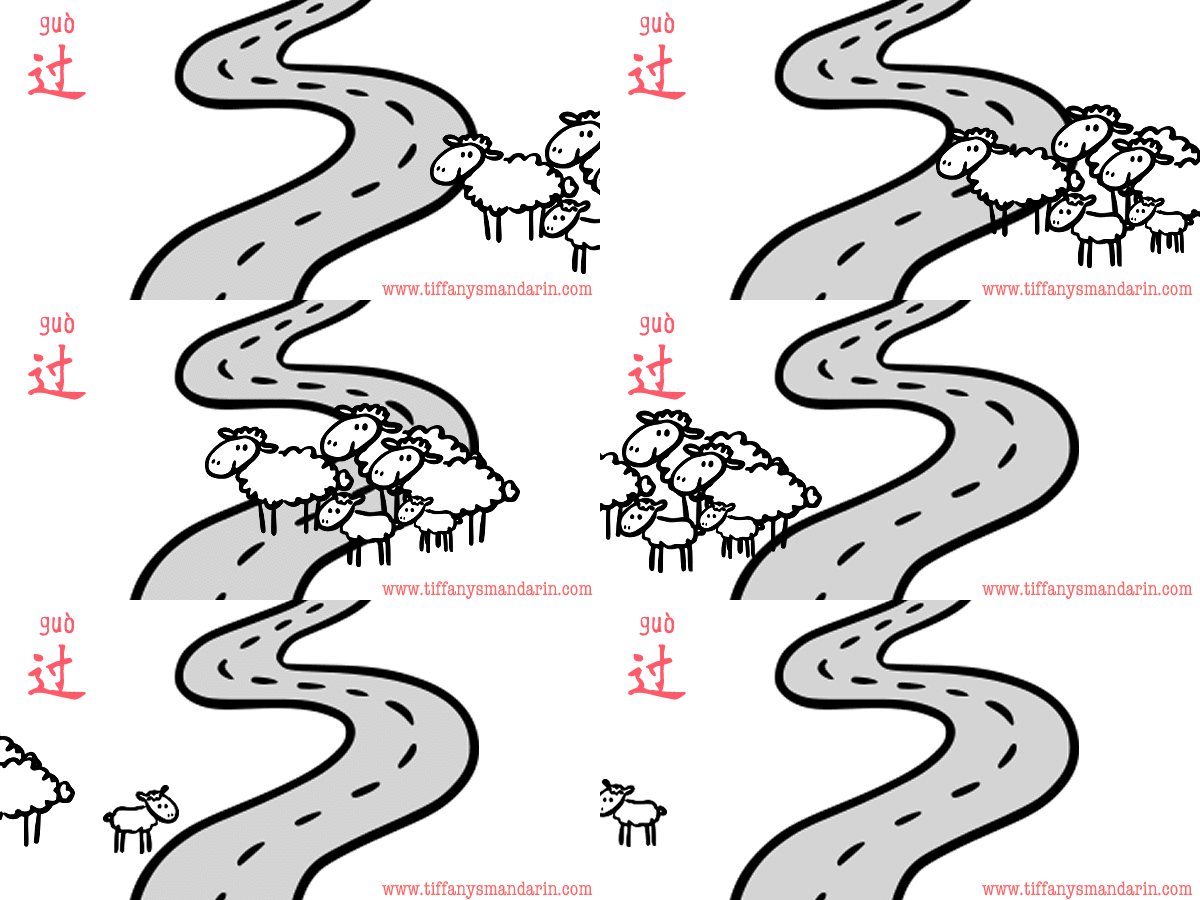
7 V + 过 guò
过 guò shows the action passing by or across something.
8 Negation: 别 bié / 不要 búyào + V + Direction Word
To tell someone not to do it, just add 别 bié or 不要 búyào in front — the direction word itself doesn’t change.
9 Practice
Translate each sentence into Chinese, then tap the card to check your answer.
Enjoyed this post? Buy me a coffee so I can keep writing more of these ☕
Support OneDotDot Chinese
