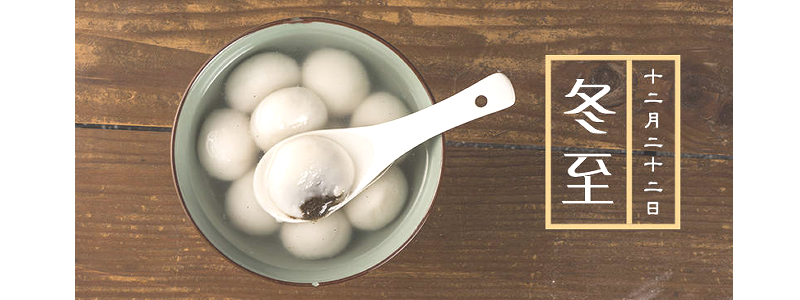
Chinese Festivals · 中国节日
Winter Solstice
冬至 dōngzhì
冬至 dōngzhì is one of the most important seasonal markers in Chinese culture. It usually falls around December 21st to 23rd, marking the shortest day and longest night of the year.
What is 冬至 dōngzhì?
From this day on, daylight gradually grows longer. In Chinese culture, that turning point symbolizes renewal, balance, and hope.
The astronomy behind it: the winter solstice happens because Earth’s axis is tilted away from the sun at this point in its orbit. It’s the same physical event everywhere on the planet, not a uniquely Chinese one. It’s also why sites like Stonehenge are aligned to it. Midwinter festivals like Yule show up across many other, unrelated cultures for the same reason.
In China
In 中国 Zhōngguó, 冬至 dōngzhì has traditionally marked the point when 阴 yīn energy peaks and 阳 yáng energy begins to grow again. Families gather to eat warming foods. In the south, that usually means 汤圆 tāngyuán, glutinous rice balls. In the north, it’s 饺子 jiǎozi, dumplings. Both are believed to bring good health and protection through the winter.
In Taiwan
In 台湾 Táiwān, 冬至 dōngzhì is closely tied to family, tradition, and folk belief. Eating 汤圆 tāngyuán is said to mean you’ve grown a year older. Some families also prepare food to offer to ancestors or household gods, giving thanks for their protection. Compared to the mainland, Taiwanese 冬至 customs lean more on home rituals and symbolic food, which makes the day feel both intimate and meaningful.
汤圆 tāngyuán in Taiwan
On 冬至 dōngzhì, people across Taiwan eat 汤圆 tāngyuán — round balls made from glutinous rice. Because 圆 yuán, “round,” sounds like 团圆 tuányuán, “togetherness,” eating them is a way of showing the family is together and happy.
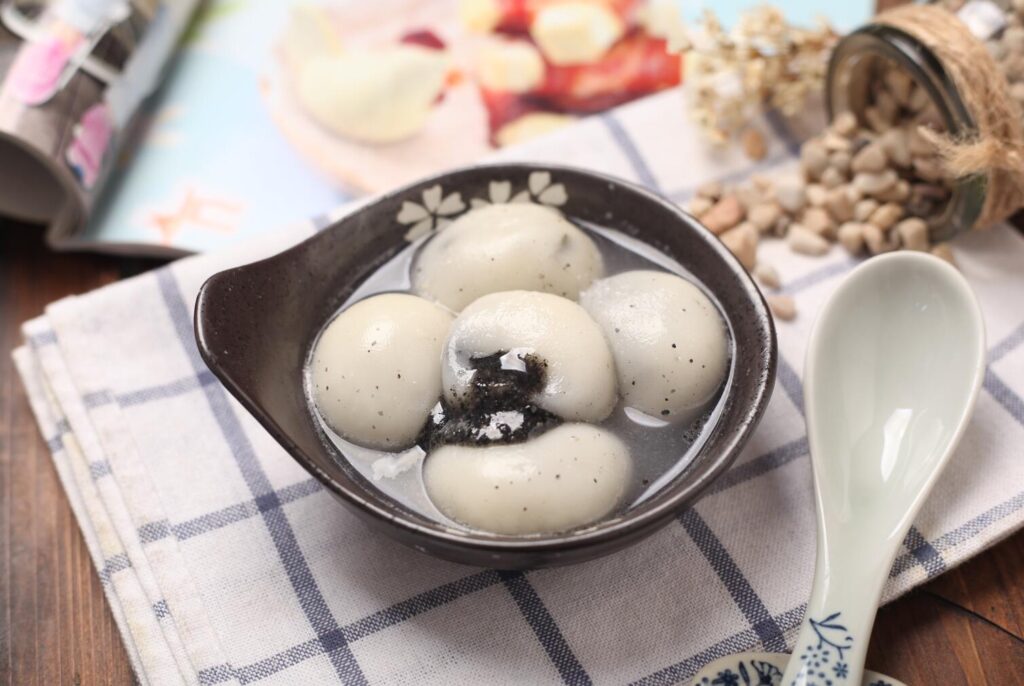
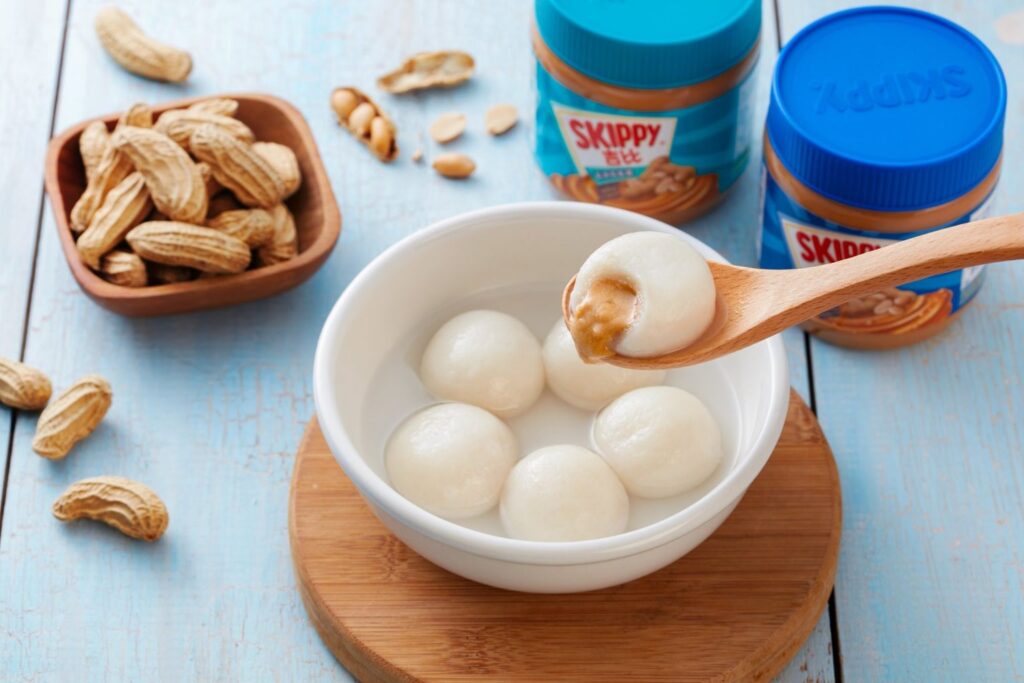
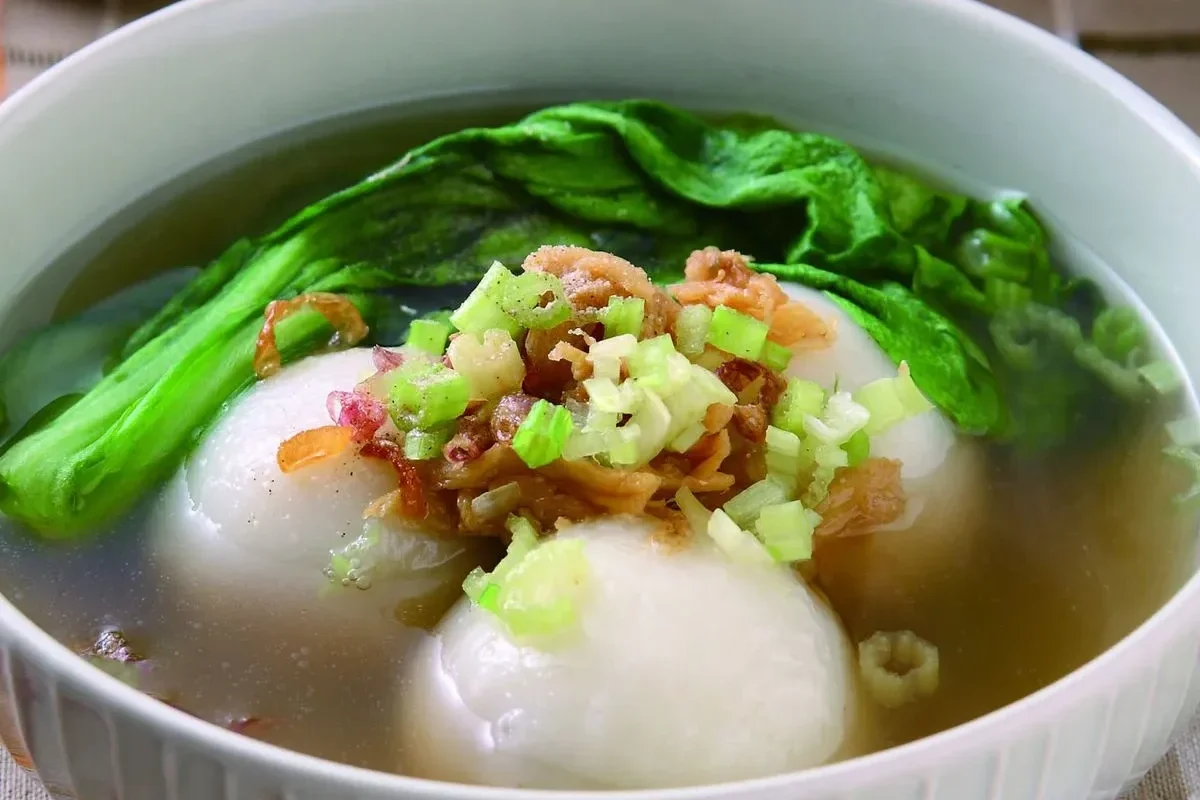
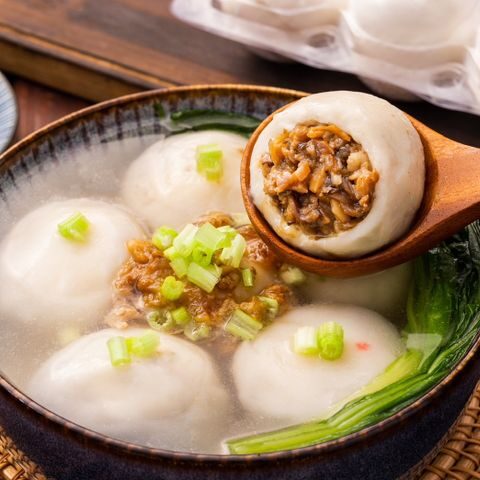
Taiwan has two traditional kinds. Sweet 汤圆 tāngyuán are filled with peanuts, sesame, or red beans and served in sweet soup. Savory ones have no filling at all. Instead, they’re cooked in a broth with meat, mushrooms, and vegetables — warm and comforting in its own way. Families often make them together at home, then set some aside as an offering during worship.
There’s a popular saying in Taiwan: “After eating 汤圆, you are one year older.” Eating them is believed to bring growth and good luck. It’s also a moment to thank ancestors and household gods, hoping for a year that’s 圆满 yuánmǎn, complete, and 圆融 yuánróng, smooth and harmonious.
About that “one year older” saying: it connects to an older way of counting age in Chinese culture, 虚岁 xūsuì, “nominal age.” Rather than counting from your birthday, this system adds a year at the New Year, or sometimes right at 冬至 itself. Under this system, a baby is already considered one year old at birth. The nine months in the womb count for something too.
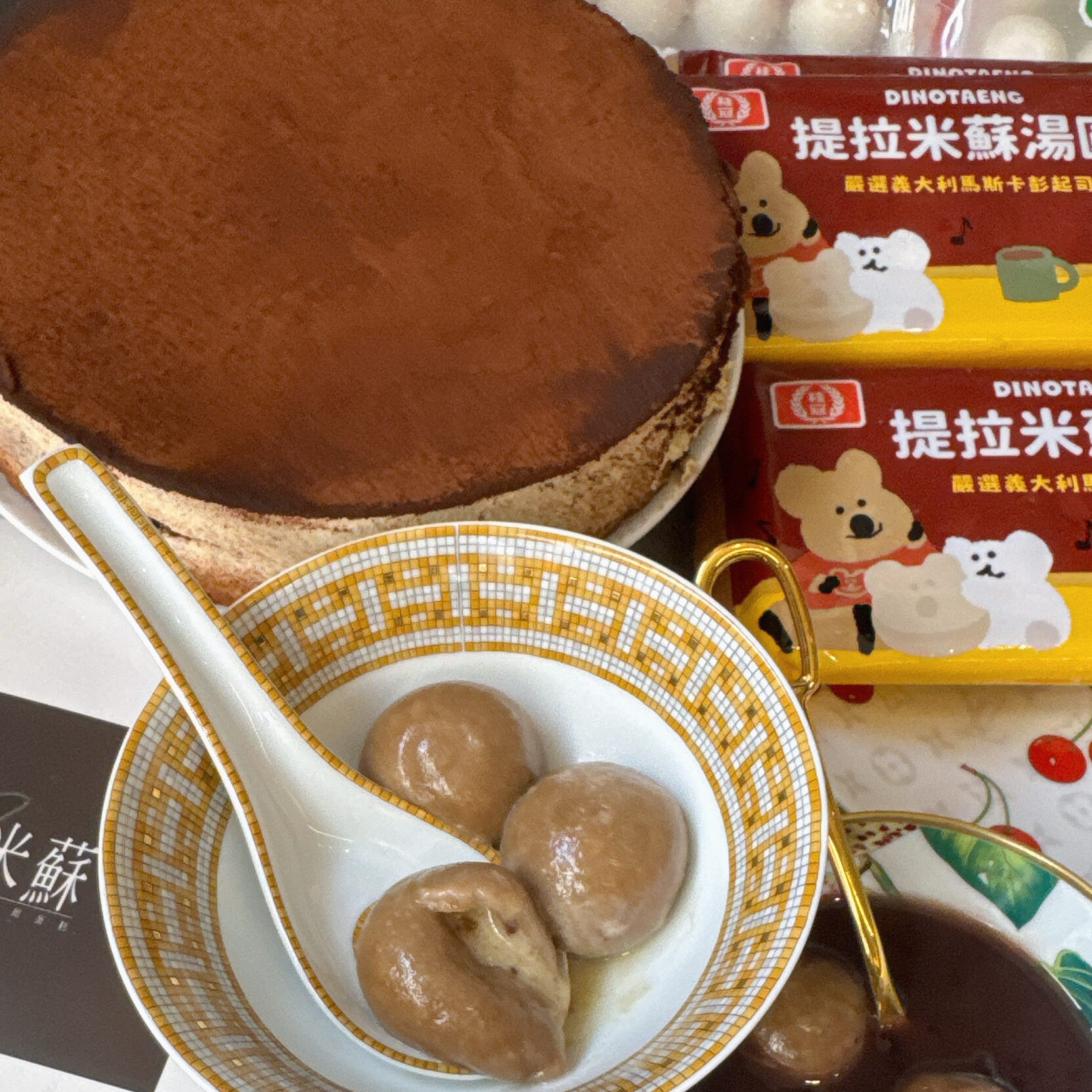
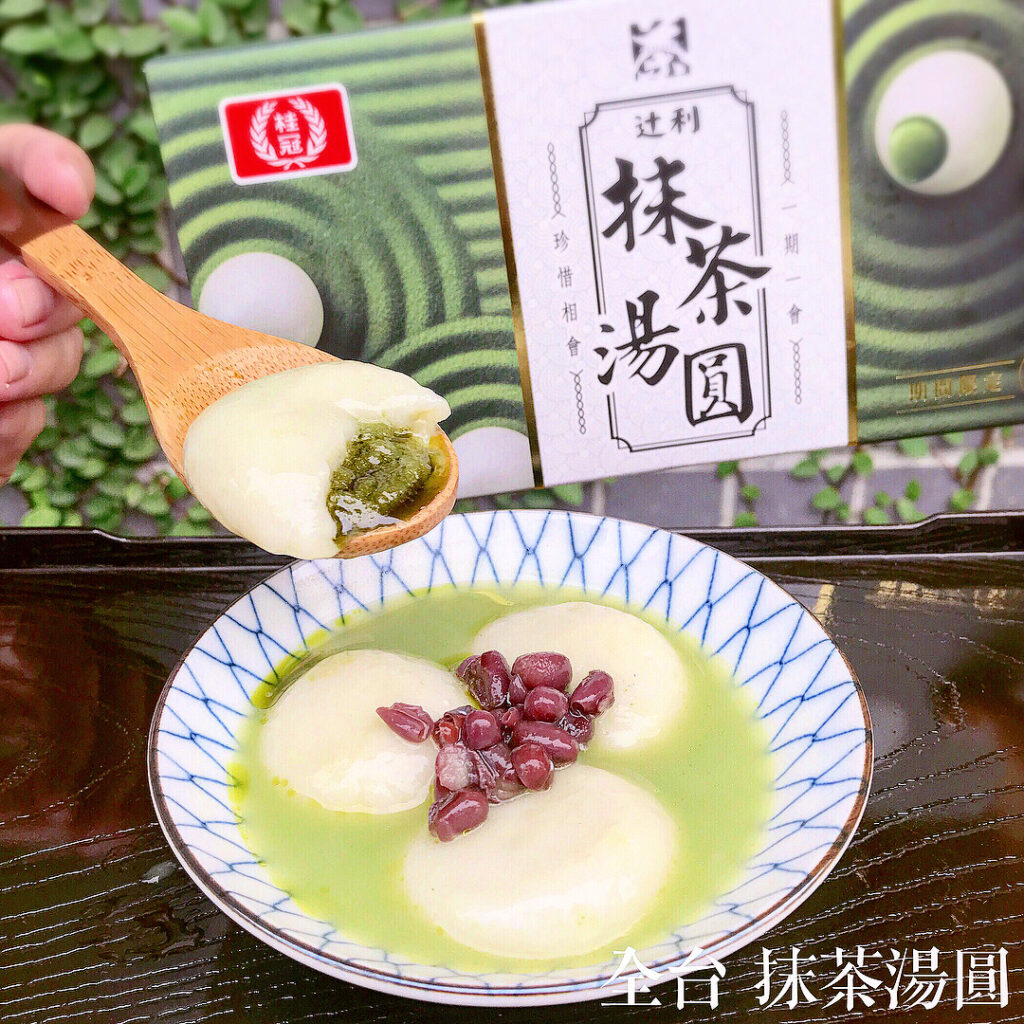
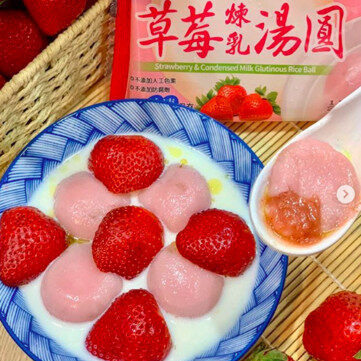
Tangyuan today has moved well beyond the traditional flavors. Matcha, tiramisu, strawberry, taro, and fresh meat versions are all common now — and yes, even a cilantro tangyuan exists for the adventurous.
Worth trying in summer: if you’re ever in Taipei outside of winter, look up Yu Pin Yuan’s Iced and Hot Tangyuan (御品元冰火汤圆). Hot, chewy rice balls sit on a bed of shaved ice, finished with fresh lemon juice and sweet osmanthus syrup. Sweet without being heavy, and the hot-and-cold combination is genuinely fun to eat. It’s even a Bib Gourmand–recommended local snack.
Eat in even numbers, and never alone
In Taiwan, tangyuan should always be eaten in an even number, since good things are believed to come in pairs. There’s another rule too: don’t eat them alone. Share them with family or friends, so you won’t be lonely in the year ahead.
If you really have no one to eat with, don’t worry. Just head to a tangyuan shop on the street. Who knows — you might just meet your new family right there. 😉
Why we eat 汤圆 tāngyuán
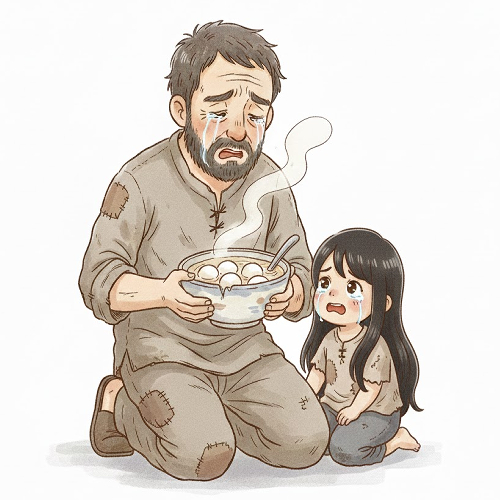
Long ago, on a Winter Solstice day, a poor family came to a town: a father, a mother, and a young daughter. The weather was bitterly cold, and they had no food. The mother fell sick and died.
The father wanted to give his wife a proper burial, but he had no money. With no other choice, he sold his daughter to a wealthy family. When she learned she had to leave her father, she was so sad that she fainted. He fed her rice soup slowly, one spoonful at a time, until she woke.
Later, the father asked for some glutinous rice balls to give to her. But neither of them wanted to eat first. The father said:
“After today, we will be separated, just like this rice ball being split in two. Let’s wait until the day we’re reunited to eat whole rice balls again, okay?”
They cried as they ate, and then they said goodbye.
Three years passed. The father never came back. Every Winter Solstice, the daughter missed him more. She wondered if he was still too poor to face her.
Then she had an idea. She told the family she lived with: “Today is the Winter Solstice. Every family eats rice balls — so the door gods should eat them too.” The family agreed. She made two big, round rice balls and stuck them on the door, hoping her father would see them and know this was her home.
He never came. The next year, she did it again, sticking rice balls on the door and window. Neighbors noticed and liked the idea of family and reunion behind it, so they started doing it too.
And that’s how this Winter Solstice tradition is said to have begun.

