OneDotDot Chinese Grammar · HSK 5 Grammar Point · HSK 5 可能補語可能补语 kěnéng bǔyǔ — Potential Complement 3 A different kind of “can’t” — V + 得得 dé / 不得不得 bùdé isn’t about ability at all. It’s about whether something is safe, wise, or allowed. Same character, different tone, different job. 得得 dé here is…
Category: HSK 5
Verbal Measure Words 3
OneDotDot Chinese Grammar · HSK 5 Grammar Point · HSK 5 Verbal Measure Words 3 — 眼眼 yǎn Literally “eye,” borrowed as a measure word for a single glance or look — it goes right after a seeing verb to say how many times you looked. The pattern is Verb + 了 + 一眼 (+…
Chinese Measure Words 8
OneDotDot Chinese Grammar · HSK 5 Grammar Point · HSK 5 7 Measure Words — 支支 zhī, 根根 gēn, 批批 pī, 束束 shù, 副副 fù, 集集 jí, 週周 zhōu Seven more measure words: for slim manufactured objects, long thin natural things, batches, bundles, pairs and sets, TV episodes, and weeks. The pattern is always Number…
Expressing the Unexpected 2 – 居然 jūrán
OneDotDot Chinese Grammar · HSK 5 Grammar Point · HSK 5 居然 jūrán — “Surprisingly” 居然 jūrán works like 竟然 jìngrán, but hits harder — it’s more colloquial and carries a stronger sense of disbelief or astonishment. Unusually for an adverb, it can sit either before or after the subject, but it can never shorten…
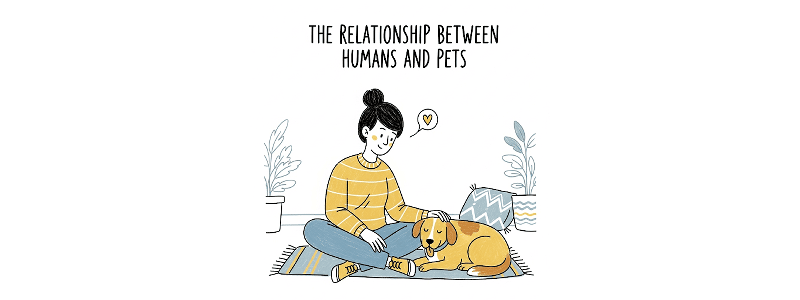
HSK5 Reading Practice – The Relationship Between Humans and Pets
HSK5 Reading Practice Remember to use the menu at the top right of the article to switch between Traditional and Simplified Chinese. Vocabulary 情感qínggǎn情感qínggǎnemotion, feeling 她tā把bǎ真實zhēnshí的de情感qínggǎn寫xiě進jìn了le日記rìjì裡lǐ她tā把bǎ真实zhēnshí的de情感qínggǎn写xiě进jìn了le日记rìjì里lǐShe wrote her true feelings into her diary. 依賴yīlài依赖yīlàito depend on 他tā太tài依賴yīlài朋友péngyǒu的de幫助bāngzhù, 缺乏quēfá獨立性dúlìxìng他tā太tài依赖yīlài朋友péngyou的de帮助bāngzhù, 缺乏quēfá独立性dúlìxìngHe depends too much on his friends’ help and lacks independence. 陪伴péibàn陪伴péibànto accompany 朋友péngyǒu的de陪伴péibàn讓ràng我wǒ覺得juéde很hěn安心ānxīn朋友péngyou的de陪伴péibàn让ràng我wǒ觉得juéde很hěn安心ānxīnThe company of friends…
Taiwanese Braised Pork – 滷肉 Lǔròu
滷肉 Lǔròu — Taiwanese Braised Pork | OneDotDot Chinese 一點點一点点 · OneDotDot Chinese Chinese Recipe & Vocabulary 滷卤 肉肉 Taiwanese Braised Pork 滷肉卤肉 lǔròu · “soy-braised pork belly” ⏱Prep15 min 🍲Cook~1 hr 5 min ◐DifficultyEasy–Medium ▦Yields4 servings 📍OriginTaiwan Photo: Tiffany, OneDotDot Chinese Notes in EN 日本語 한국어 緣起缘起The Story 滷肉卤肉 (lǔròu) is the dish that…
Sooner or later – 早晚 zǎowǎn
OneDotDot Chinese Grammar · HSK 5 Grammar Point · HSK 5 早晚早晚 zǎowǎn 早晚早晚 zǎowǎn literally means “morning and evening,” but as an adverb it means “sooner or later” — something is bound to happen eventually, even if exactly when is still up in the air. Every day has a morning and an evening —…

Story About My Grandma – 1
Transcript 哎ei, 其實qíshí我wǒ最近zuìjìn才cái知道zhīdào我wǒ的de爸爸bàba的de媽媽māma的de媽媽māma家庭jiātíng其實qíshí跟gēn我wǒ沒有méiyǒu真的zhēnde關係guānxī。 哎ei, 其实qíshí我wǒ最近zuìjìn才cái知道zhīdào我wǒ的de爸爸bàba的de妈妈māma的de妈妈māma家庭jiātíng其实qíshí跟gēn我wǒ没有méiyǒu真的zhēnde关系guānxi。 在zài我wǒ爸爸bàba的de媽媽māma也yě就是jiùshì我wǒ奶奶nǎinai那個nàge年代niándài, 在zài我wǒ爸爸bàba的de妈妈māma也yě就是jiùshì我wǒ奶奶nǎinai那个nàge年代niándài, 因為yīnwèi臺灣人Táiwānrén的de生活shēnghuó非常fēicháng的de窮qióng, 所以suǒyǐ他們tāmen沒有méiyǒu錢qián。 因为yīnwèi台湾人Táiwānrén的de生活shēnghuó非常fēicháng的de穷qióng, 所以suǒyǐ他们tāmen没有méiyǒu钱qián。 如果rúguǒ你nǐ生shēng了le雙胞胎shuāngbāotāi, 就是jiùshì2 個ge孩子háizi一起yìqǐ出生chūshēng的話dehuà, 如果rúguǒ你nǐ生shēng了le双胞胎shuāngbāotāi, 就是jiùshì2 个ge孩子háizi一起yìqǐ出生chūshēng的话dehuà, 他們tāmen沒有méiyǒu錢qián照顧zhàogù2 個ge孩子háizi, 他們tāmen就jiù會huì把bǎ其中qízhōng一個yíge孩子háizi送sòng給gěi別人biérén或者huòzhě是shì賣mài給gěi別人biérén。 他们tāmen没有méiyǒu钱qián照顾zhàogù2 个ge孩子háizi, 他们tāmen就jiù会huì把bǎ其中qízhōng一个yíge孩子háizi送sòng给gěi别人biérén或者huòzhě是shì卖mài给gěi别人biérén。 那nà我wǒ奶奶nǎinai就是jiùshì那個nàge被bèi賣掉màidiào的de孩子háizi。 那nà我wǒ奶奶nǎinai就是jiùshì那个nàge被bèi卖掉màidiào的de孩子háizi。 那nà我wǒ的de曾祖母zēngzǔmǔ為什麼wèishénme要yào買mǎi我wǒ奶奶nǎinai呢ní? 那nà我wǒ的de曾祖母zēngzǔmǔ为什么wèishénme要yào买mǎi我wǒ奶奶nǎinai呢ní? 這zhè也yě是shì一個yíge那個nàge時候shíhòu社會shèhuì很hěn常見chángjiàn的de迷信míxìn。 这zhè也yě是shì一个yíge那个nàge时候shíhou社会shèhuì很hěn常见chángjiàn的de迷信míxìn。 所以suǒyǐ在zài她tā買mǎi我wǒ奶奶nǎinai以前yǐqián, 她tā懷孕huáiyùn很hěn多duō次cì, 可是kěshì每měi一yí次cì都dōu流產liúchǎn都dōu失敗shībài。 所以suǒyǐ在zài她tā买mǎi我wǒ奶奶nǎinai以前yǐqián, 她tā怀孕huáiyùn很hěn多duō次cì, 可是kěshì每měi一yí次cì都dōu流产liúchǎn都dōu失败shībài。 那個nàge時候shíhòu的de人rén相信xiāngxìn必須bìxū要yào打破dǎpò這個zhège不好bùhǎo的de循環xúnhuán, 那个nàge时候shíhou的de人rén相信xiāngxìn必须bìxū要yào打破dǎpò这个zhège不好bùhǎo的de循环xúnhuán, 所以suǒyǐ呢ne, 她tā就jiù買mǎi了le我wǒ奶奶nǎinai, 把bǎ她tā當成dāngchéng她tā的de自己zìjǐ的de第一個dìyīge孩子háizi, 所以suǒyǐ呢ne, 她tā就jiù买mǎi了le我wǒ奶奶nǎinai, 把bǎ她tā当成dāngchéng她tā的de自己zìjǐ的de第一个dìyīge孩子háizi, 所以suǒyǐ她tā就jiù有yǒu了le一個yíge好hǎo的de開始kāishǐ, 一個yíge第一個dìyīge孩子háizi。 所以suǒyǐ她tā就jiù有yǒu了le一个yíge好hǎo的de开始kāishǐ, 一个yíge第一个dìyīge孩子háizi。 以後yǐhòu呢ne, 她tā就jiù可以kěyǐ比較bǐjiào容易róngyì有yǒu自己zìjǐ第dì2 個ge第dì3 個ge孩子háizi。 以后yǐhòu呢ne, 她tā就jiù可以kěyǐ比较bǐjiào容易róngyì有yǒu自己zìjǐ第dì2 个ge第dì3 个ge孩子háizi。…

Say A, then A – 說 shuō A 就 jiù A
Grammar Point:The Chinese structure 說说 shuō A 就 jiù A means doing something immediately after saying it, often without any hesitation, planning, or discussion. It can also express surprise or admiration at someone’s quick action, or be used to criticize someone for acting too impulsively. Structure 說说 shuō + V + 就 jiù + V…

There is A, and there is B too – 有 yǒu A 有 yǒu B
Grammar Point:The 有 yǒu A 有 yǒu B pattern is a concise and expressive grammatical structure in Chinese that uses parallel construction to indicate the presence of multiple elements or a comprehensive range. It’s important to note that this structure isn’t something you can just use with any words — it’s usually limited to a…