OneDotDot Chinese Grammar · HSK 1 Grammar Point · HSK 1 Had Better — 最好最好 zuìhǎo 最好最好 zuìhǎo can be an adjective meaning “best,” but it’s also an adverb meaning “had better” or “it would be best to.” It’s used to give advice or to politely (or not so politely!) tell someone what to do….
Author: tiffany
Competition and Season Words in Chinese
Chinese Vocabulary · 中文詞彙中文词汇 Competition and Season Words in Chinese 競賽與季節詞彙竞赛与季节词汇 jìngsài yǔ jìjié cíhuì Before we get into the vocab, I want to point you to an article I enjoyed: a longtime headhunter who lived in Taiwan for years wrote up a long list of things he appreciated about life there — things I’d…
Grammar of 把 bǎ 2
OneDotDot Chinese Grammar · HSK 4 Grammar Point · HSK 4 把 bǎ把 bǎ — 把 Sentence 2 Four more shapes for the “something” that follows the verb in a 把 bǎ把 bǎ sentence:doing it briefly, doing it a set number of times, marking it as done, and shifting where an adverb sits. These patterns…
“Had Better” in Chinese 2 – 还是 háishì
OneDotDot Chinese Grammar · HSK 2 Grammar Point · HSK 2 Had Better — 還是还是 háishì … 吧吧 ba One way to say “had better” in Chinese is 還是还是 háishì … 吧吧 ba. Here 還是还是 háishì isn’t “or.” It shows that, after thinking it over, you prefer one option, and you’re suggesting it. 還是还是 háishì…
Body Parts & Vehicle
Chinese Vocabulary · 中文詞彙中文词汇 Body Parts and Vehicle Words in Chinese 身體部位與交通工具詞彙身体部位与交通工具词汇 shēntǐ bùwèi yǔ jiāotōng gōngjù cíhuì Before we get into the vocab, here’s something worth knowing about mental health care in Taiwan and China: there are relatively few licensed psychologists compared to the size of the population, and in older generations, seeing a…
Grammar of 把 bǎ 1
OneDotDot Chinese Grammar · HSK 3 Grammar Point · HSK 3 把 bǎ把 bǎ — 把 Sentence 1 把 bǎ把 bǎ moves the object to the front of the sentence to put the spotlight on it — what happened to it, and how it ended up. This article covers the first three shapes a 把…
In order to in Chinese 1 – 为了 wèile
OneDotDot Chinese Grammar · HSK 3 Grammar Point · HSK 3 為了为了 wèile — “In Order To” 1 “In order to” translates into Chinese as 為了为了 wèile. It is a preposition used to indicate the purpose of an action or the intention or goal behind it. In this article we’ll look at how to build…
Basic Comparisons 2
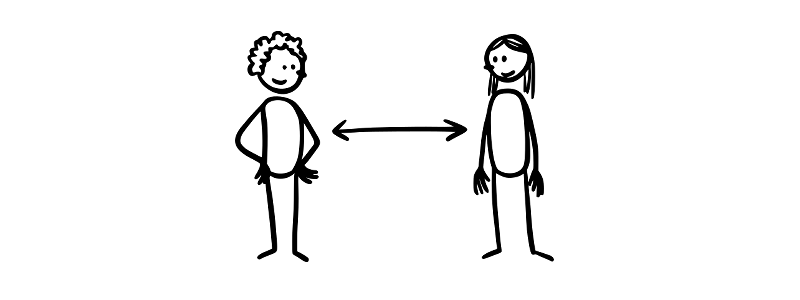
Grammar Point:The way to express comparisons in Chinese is by using 比 bǐ. However, when expressing “as same as,” there’s no need to use 比 bǐ anymore. Instead, we use 跟 gēn or 和 hé. Structure 1 A + 跟 or 和 + B + 一樣/一样 or 相同 When you want to state that two…
Chinese Comparisons – 相比 xiāngbǐ & 不如 bùrú
OneDotDot Chinese Grammar · HSK 4 Grammar Point · HSK 4 Chinese Comparisons 3不如 bùrú不如 bùrú & 跟 gēn跟 gēn…相比 xiāngbǐ相比 xiāngbǐ 不如 bùrú不如 bùrú says A “falls short of” B — a firmer, more evaluative comparison than 沒有 méiyǒu没有 méiyǒu. 跟 gēn跟 gēn … 相比 xiāngbǐ相比 xiāngbǐ sets up a “compared with …” frame…
Chinese Comparisons 1 – 比 bǐ
OneDotDot Chinese Grammar · HSK 2 Grammar Point · HSK 2 Chinese Comparisons 1比 bǐ比 bǐ & 沒有 méiyǒu没有 méiyǒu Comparing two things in Chinese takes just a few patterns. 比 bǐ比 bǐ means “than” and puts the winner first; 沒有 méiyǒu没有 méiyǒu says one thing doesn’t measure up to another; and a special 得…