Skip to content

OneDotDot Chinese

Learn a little Chinese every day

Menu
  • Vocabulary
  • Grammar
  • Resources
  • Practice
  • Shop
Menu

Potential Complements 1

Posted on November 15, 2022September 1, 2026 by tiffany

Table of Contents

Toggle
  • 1 What Is a Potential Complement?
  • 2 The Structure
    • Able To: V + 得得 de + Result Complement
    • Not Able To: V + 不不 bù + Result Complement
  • 3 V + 得得 de / 不不 bù + V / Adj — More Examples
  • 4 Can I Just Use 能能 néng or 可以可以 kěyǐ Instead?
  • 5 Practice

  • Text Display
  • ►Traditional
  • ►Simplified
  • Pinyin Display
  • ►Visible
  • ►Mouseover
  • ►Hidden
OneDotDot Chinese
Grammar · HSK 3
Grammar Point · HSK 3

可能補語可能补语 kěnéng bǔyǔ — Potential Complement 1

A potential complement tells you whether an action can happen — not whether it did. Put 得得 de or 不不 bù between a verb and its complement, and you’re no longer describing an outcome — you’re describing a possibility.
可能補語 Potential Complement

This is the first of three parts on 可能補語可能补语 kěnéng bǔyǔ. Here we start with the core pattern — verb + 得得 de / 不不 bù + another verb or adjective.

1 What Is a Potential Complement?

A 結果補語结果补语 jiéguǒ bǔyǔ (result complement) states a fact — what actually happened. A 可能補語可能补语 kěnéng bǔyǔ (potential complement) does something different: it states a possibility — whether an action can happen, regardless of whether it did. The structure is simple: just slot 得得 de or 不不 bù in between the verb and its result complement. Let’s put the two side by side.
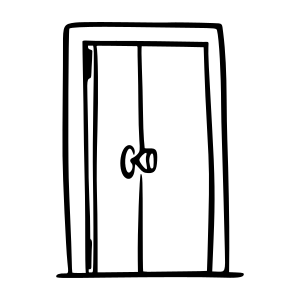
門打開了 the door is open
門mén打開dǎkāi了le门mén打开dǎkāi了le
The door is open.
Result complement, positive — this states the fact that the door is open.
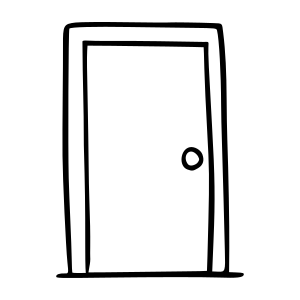
門沒打開 the door is not open
門mén沒méi打開dǎkāi门mén没méi打开dǎkāi
The door is not open.
Result complement, negative — this states the fact that the door did not open.
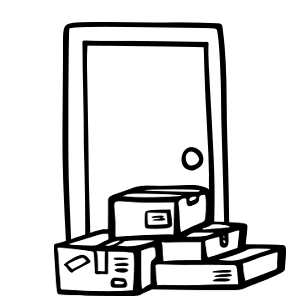
門打得開 the door can be opened
門mén打dǎ得de開kāi门mén打dǎ得de开kāi
The door can be opened.
Potential complement, positive — this says the door CAN be opened, no matter whether it currently is.
門打不開 the door can't be opened
門mén打dǎ不bù開kāi门mén打dǎ不bù开kāi
The door can’t be opened.
Potential complement, negative — this says the door CANNOT be opened, no matter its current state.
Structure

V + 得得 de / 不不 bù + Verb / Adjective — built right onto the verb, so it’s always clear you’re talking about possibility.

2 The Structure

Here’s how it’s built, piece by piece:

Verb得得 de / 不不 bùResult ComplementMeaning
聽听 tīng得得 de清楚清楚 qīngchu=聽得清楚听得清楚 tīng de qīngchu — can hear clearly
洗洗 xǐ不不 bù乾淨干净 gānjìng=洗不乾淨洗不干净 xǐ bù gānjìng — can’t wash it clean
吃吃 chī不不 bù完完 wán=吃不完吃不完 chī bù wán — can’t finish eating

Able To: V + 得得 de + Result Complement

Objects in a sentence with a potential complement can land either right after the complement, or up at the front of the sentence.

看得到 able to see
你nǐ看kàn得de到dào我wǒ嗎ma?你nǐ看kàn得de到dào我wǒ吗ma?
Can you see me?
我wǒ看kàn得de到dào我wǒ看kàn得de到dào
I can see you.

Not Able To: V + 不不 bù + Result Complement

看不到 not able to see
我wǒ看kàn不bù到dào我wǒ看kàn不bù到dào
I can’t see.

3 V + 得得 de / 不不 bù + V / Adj — More Examples

These are some of the most common everyday potential complements — the result word can be a verb (like 到到 dào or 懂懂 dǒng) or an adjective (like 乾淨干净 gānjìng or 飽饱 bǎo).

台灣人Táiwānrén說shuō的de話huà你nǐ聽tīng得de懂dǒng嗎ma?台湾人Táiwānrén说shuō的de话huà你nǐ听tīng得de懂dǒng吗ma?
Do you understand what Taiwanese people say?
太tài吵chǎo了le!我wǒ聽tīng不bù清楚qīngchǔ太tài吵chǎo了le!我wǒ听tīng不bù清楚qīngchǔ
It’s too loud! I can’t hear clearly.
別bié擔心dānxīn,這zhè衣服yīfú洗xǐ得de乾淨gānjìng别bié担心dānxīn,这zhè衣服yīfú洗xǐ得de干净gānjìng
Don’t worry, this piece of clothing can be washed clean.
你nǐ點diǎn這麼zhème多duō菜cài,吃chī得de完wán嗎ma?你nǐ点diǎn这么zhème多duō菜cài,吃chī得de完wán吗ma?
You ordered so many dishes — can you finish them all?
你nǐ點diǎn這麼zhème少shǎo菜cài,吃chī得de飽bǎo嗎ma?你nǐ点diǎn这么zhème少shǎo菜cài,吃chī得de饱bǎo吗ma?
You ordered so few dishes — will you be full?
功課gōngkè太tài多duō,我wǒ真zhēn的de做zuò不bù完wán功课gōngkè太tài多duō,我wǒ真zhēn的de做zuò不bù完wán
There’s too much homework, I really can’t finish it.
我wǒ抓zhuā不bù到dào冰箱bīngxiāng上面shàngmiàn的de貓māo我wǒ抓zhuā不bù到dào冰箱bīngxiāng上面shàngmiàn的de猫māo
I can’t reach the cat on top of the fridge.

4 Can I Just Use 能能 néng or 可以可以 kěyǐ Instead?

The answer is yes and no. People will still understand you if you say 能能 néng or 可以可以 kěyǐ instead — but those words carry a lot of other jobs too, so the meaning isn’t always as sharp. A potential complement heads off that ambiguity. Take a sentence like 我不能看到我不能看到 wǒ bù néng kàn dào — it can be read either of these two ways:

Picture A — physically unable to see

A

Maybe it’s dark, or something’s blocking the view — physically, you’re unable to see.

Picture B — choosing not to look

B

Or maybe you’re being told not to look — you have permission, but you’re choosing not to see.

A potential complement clears that up instantly: 看不到看不到 kàn bú dào can only mean the first — physically unable to see. No ambiguity.

5 Practice

Translate each sentence into Chinese, then tap the card to check your answer.

01The words on the blackboard are too small, I can’t see them clearly.
黑板hēibǎn上shàng的de字zì太tài小xiǎo了le,我wǒ看kàn不bù清楚qīngchǔ黑板hēibǎn上shàng的de字zì太tài小xiǎo了le,我wǒ看kàn不bù清楚qīngchǔ
👆 Tap to reveal
02This math problem is too hard, I really can’t understand it.
這zhè題tí數學shùxué太tài難nán了le,我wǒ真zhēn的de聽tīng不bù懂dǒng这zhè题tí数学shùxué太tài难nán了le,我wǒ真zhēn的de听tīng不bù懂dǒng
👆 Tap to reveal
03Can you see that cat on the roof?
你nǐ看kàn得de到dào屋頂wūdǐng上shàng的de貓māo嗎ma?你nǐ看kàn得de到dào屋顶wūdǐng上shàng的de猫māo吗ma?
👆 Tap to reveal
04The professor talks so fast, I can’t understand him.
教授jiàoshòu說話shuōhuà說shuō得de太tài快kuài,我wǒ聽tīng不bù懂dǒng教授jiàoshòu说话shuōhuà说shuō得de太tài快kuài,我wǒ听tīng不bù懂dǒng
👆 Tap to reveal
05This white shirt — can it be washed clean?
這件zhè jiàn白bái襯衫chènshān洗xǐ得de乾淨gānjìng嗎ma?这件zhè jiàn白bái衬衫chènshān洗xǐ得de干净gānjìng吗ma?
👆 Tap to reveal
06You ordered a whole pizza — can you finish it?
你nǐ點diǎn了le一yì整zhěng個gè披薩pīsà,吃chī得de完wán嗎ma?你nǐ点diǎn了le一yì整zhěng个gè披萨pīsà,吃chī得de完wán吗ma?
👆 Tap to reveal
07I only ate a little bit — I definitely won’t be full.
我wǒ只zhǐ吃chī了le一點點yìdiǎndiǎn,一定yídìng吃chī不bù飽bǎo我wǒ只zhǐ吃chī了le一点点yìdiǎndiǎn,一定yídìng吃chī不bù饱bǎo
👆 Tap to reveal
08Can you finish this bowl of noodles?
這zhè碗wǎn麵miàn你nǐ吃chī得de完wán嗎ma?这zhè碗wǎn面miàn你nǐ吃chī得de完wán吗ma?
👆 Tap to reveal
09I can’t catch that fast-running dog.
我wǒ抓zhuā不bù到dào那nà隻zhī跑pǎo得de很hěn快kuài的de狗gǒu我wǒ抓zhuā不bù到dào那nà只zhī跑pǎo得de很hěn快kuài的de狗gǒu
👆 Tap to reveal
10There’s too much work today, I won’t finish it by tonight.
今天jīntiān工作gōngzuò太tài多duō了le,我wǒ今晚jīnwǎn做zuò不bù完wán今天jīntiān工作gōngzuò太tài多duō了le,我wǒ今晚jīnwǎn做zuò不bù完wán
👆 Tap to reveal

Related Grammar

→Potential Complement 2(HSK 4) →Potential Complement 3(HSK 5)

Enjoyed this post? Buy me a coffee so I can keep writing more of these ☕

Support OneDotDot Chinese
Do you like it? 🙂
當代中文当代中文 · Series

Contemporary Chinese

Volume Book 1 Volume Book 2 Coming Soon Book 3 Coming Soon Book 4
中文聽說讀寫中文听说读写 · Series

INTEGRATED CHINESE

Coming Soon Book 1 Coming Soon Book 2 Coming Soon Book 3 Coming Soon Book 4

OneDotDot Chinese

When a foreign friend says their Chinese is "yì diǎn diǎn" (just a little), this site exists to make that little bit grow, one day at a time.

  ABOUT

  About Me
  Special Thanks
  News
  My Students Only

  CONTACT

  LinkedIn
  Instagram
  Privacy Policy

© 2026 OneDotDot Chinese | Powered by Superbs Personal Blog theme