HSK6 Reading Practice
Remember to use the menu at the top right of the article to switch between Traditional and Simplified Chinese.
Vocabulary
| 歧視歧视 discrimination; to discriminate | 他覺得自己因為年紀比較大,在找工作時被歧視他觉得自己因为年纪比较大,在找工作时被歧视 He feels he’s being discriminated against in job hunting because of his age. |
| 附和附和 to agree with; to echo | 她一說完,我就忍不住附和,因為我也有同樣的感覺她一说完,我就忍不住附和,因为我也有同样的感觉 As soon as she finished speaking, I couldn’t help agreeing because I felt the same way. |
| 協商协商 to negotiate | 我們正在跟房東協商能不能晚一點付房租我们正在跟房东协商能不能晚一点付房租 We’re negotiating with the landlord to see if we can pay the rent a bit later. |
| 簽署签署 to sign | 我下週就要跟新公司簽署正式合約了我下周就要跟新公司签署正式合约了 I’m signing a formal contract with my new company next week |
| 既定既定 established | 晚宴時間是既定的,臨時很難再改晚宴时间是既定的,临时很难再改 The dinner time is already set, so it’s hard to change it last minute. |
| 反駁反驳 to argue back; to refute | 我說我懷疑你愛上別人時,你為什麼不反駁我?我说我怀疑你爱上别人时,你为什么不反驳我? When I said I suspected you’d fallen in love with someone else, why didn’t you argue back or deny it? |
| 同甘共苦同甘共苦 to go through good times and bad together | 創業初期我們同甘共苦,沒想到事業成功後反而分道揚鑣创业初期我们同甘共苦,没想到事业成功后反而分道扬镳 In the early days of starting the business, we went through thick and thin together. I never expected that after the business succeeded, we would end up going our separate ways. |
| 多元化多元化 diversity | 這個社團很重視多元化,成員來自不同國家这个社团很重视多元化,成员来自不同国家 This group really values diversity. Its members come from many different countries. |
| 爭議争议 controversy | 他在網路上的發言引起不少爭議他在网络上的发言引起不少争议 His comments online sparked quite a bit of controversy. |
| 聲援声援 to support; to show support | 朋友被不公平對待時,我當然要站出來聲援朋友被不公平对待时,我当然要站出来声援 When my friend was treated unfairly, of course I stood up to support them. |
| 語重心長语重心长 earnestly; in a serious and caring way | 我的頭髮越掉越多,太太語重心長地跟我說,以後洗髮精的錢可以省了我的头发越掉越多,太太语重心长地跟我说,以后洗发水的钱可以省了 My hair keeps falling out more and more, and my wife seriously—and with heartfelt concern—told me that we can save money on shampoo from now on. |
| 驅逐驱逐 to kick out; to expel | 那個人在店裡鬧事,最後被店員驅逐出去那个人在店里闹事,最后被店员驱逐出去 He caused trouble in the store and was eventually kicked out by the staff. |
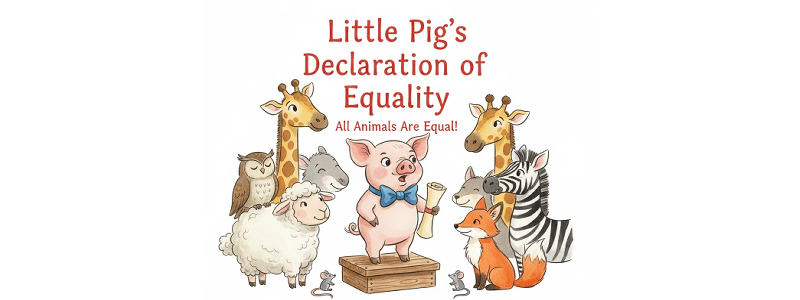
小猪的平等宣言
在一个安静的农场里,猪圈里突然传出一阵愤怒的声音。一只名叫小胖的猪站在木箱上,对着其他动物大声发言。
“这太不公平了!”小胖喊道,“为什么狗可以住在房子里,猫可以到处走,马可以在户外自由地奔跑,但我们猪却注定要被吃掉?这根本就是歧视!”
很快地,其他猪也开始附和他的说法,大家都觉得小胖说得很有道理。
“我们必须组织起来!”一只老猪说,“我们应该成立一个工会,来对抗这种不公平的制度!”
于是,猪们成立了“农场动物平等工会”。他们的目标很简单:要求和其他动物享有一样的权利,不再被当成食物。
接着,猪们开始和农场主人进行协商。他们希望能签署一份合约,保障自己的生命安全,并表示愿意用劳动来换取生存的空间。
“我们能做的事情很多!”小胖在会议上说,“我们可以清理农场、帮忙找松露,这些都是我们的专业。为什么一定要吃我们?”
然而,农场里的其他动物却有不同的看法。
狗说:“我们能留下来,是因为我们会看家。这是既定的规则,每个物种都有自己的角色。”
猫也冷冷地说:“我抓老鼠,马拉车。你们猪的功能,本来就是被吃。”
“这正是问题所在!”小胖愤怒地反驳,“这整个产业的逻辑本身就不公平!为什么我们的价值只能建立在被吃这件事上?”
这时,鸡也加入了讨论:“其实我们也差不多。年轻时生蛋,老了还是会被宰。”
猪们这才意识到,自己并不是唯一面临这种命运的动物。于是,他们决定邀请鸡、羊、牛等所有可能被吃掉的动物一起加入。
“我们要同甘共苦!”小胖宣布,“建立一个多元化的工会,保护所有被吃的动物!”
农场主人听到这个消息后,感到非常困扰。
他说:“如果猪不能吃,我就会失业。养猪场是我维持生计的方式。而且人类吃肉已经好几个世代了。”
“时间久不代表就是对的!”小胖反驳道。
这场争议越演越烈,甚至引起了政治层面的关注。就连西雅图的猪也听说了这件事,派代表前来声援。
面对来自世界各地动物的压力,农场主人最后提出了一个妥协方案:他会提倡“周一无肉日”,鼓励大家减少吃肉。
这个方案得到了一部分猪的接受,但小胖仍然不满意。
“这根本没有解决问题!”他愤怒地说。
这时,一只年老的狗走过来,语重心长地说:“年轻的猪,我知道你很愤怒。但这个世界非常复杂,改变需要时间,也需要智慧和牺牲。至少,你已经让很多动物开始思考这个问题,这本身就是一种进步。”
小胖虽然感到失落,但他仍然相信未来会有希望。
几个月后,农场出现了明显的转变。虽然仍然有猪被吃掉,但数量已经少了许多。农场主人开始发展“观光农场”,让游客来接触动物,而不是食用它们。如果有小朋友虐待动物,便会被驱逐出农场。
这个故事在猪的朋友圈里迅速传播,甚至引起了左派政治团体的注意。有人认为这是动物权利运动的胜利,也有人认为这只是个别案例,甚至是对传统农业的威胁。
但对小胖而言,最重要的是:他和同伴们争取到了一些改变的空间。虽然问题尚未完全解决,但至少,他们的声音终于被听见了。
Questions

Xiǎozhū de píngděng xuānyán
Zài yí gè ānjìng de nóngchǎng lǐ, zhūjuàn lǐ tūrán chuánchū yí zhèn fènnù de shēngyīn. Yì zhī míng jiào Xiǎo Pàng de zhū zhàn zài mùxiāng shàng, duìzhe qítā dòngwù dàshēng fāyán.
“Zhè tài bù gōngpíng le!” Xiǎo Pàng hǎn dào, “Wèishénme gǒu kěyǐ zhù zài fángzi lǐ, māo kěyǐ dàochù zǒu, mǎ kěyǐ zài hùwài zìyóu de bēnpǎo, dàn wǒmen zhū què zhùdìng yào bèi chīdiào? Zhè gēnběn jiù shì qíshì!”
Hěn kuài de, qítā zhū yě kāishǐ fùhè tā de shuōfǎ, dàjiā dōu juéde Xiǎo Pàng shuō de hěn yǒu dàolǐ.
“Wǒmen bìxū zǔzhī qǐlái!” yì zhī lǎo zhū shuō, “Wǒmen yīnggāi chénglì yí gè gōnghuì, lái duìkàng zhè zhǒng bù gōngpíng de zhìdù!”
Yúshì, zhūmen chénglì le “Nóngchǎng Dòngwù Píngděng Gōnghuì”. Tāmen de mùbiāo hěn jiǎndān: yāoqiú hé qítā dòngwù xiǎngyǒu yíyàng de quánlì, bù zài bèi dàng chéng shíwù.
Jiēzhe, zhūmen kāishǐ hé nóngchǎng zhǔrén jìnxíng xiéshāng. Tāmen xīwàng néng qiānshǔ yí fèn héyuē, bǎozhàng zìjǐ de shēngmìng ānquán, bìng biǎoshì yuànyì yòng láodòng lái huànqǔ shēngcún de kōngjiān.
“Wǒmen néng zuò de shìqíng hěn duō!” Xiǎo Pàng zài huìyì shàng shuō, “Wǒmen kěyǐ qīnglǐ nóngchǎng, bāngmáng zhǎo sōnglù, zhèxiē dōu shì wǒmen de zhuānyè. Wèishénme yídìng yào chī wǒmen?”
Rán’ér, nóngchǎng lǐ de qítā dòngwù què yǒu bùtóng de kànfǎ.
Gǒu shuō: “Wǒmen néng liú xiàlái, shì yīnwèi wǒmen huì kānjiā. Zhè shì jìdìng de guīzé, měi gè wùzhǒng dōu yǒu zìjǐ de juésè.”
Māo yě lěnglěng de shuō: “Wǒ zhuā lǎoshǔ, mǎ lā chē. Nǐmen zhū de gōngnéng, běnlái jiù shì bèi chī.”
“Zhè zhèng shì wèntí suǒzài!” Xiǎo Pàng fènnù de fǎnbó, “Zhè zhěnggè chǎnyè de luójí běnshēn jiù bù gōngpíng! Wèishénme wǒmen de jiàzhí zhǐ néng jiànlì zài bèi chī zhè jiàn shì shàng?”
Zhè shí, jī yě jiārù le tǎolùn: “Qíshí wǒmen yě chàbùduō. Niánqīng shí shēng dàn, lǎo le háishì huì bèi zǎi.”
Zhūmen zhè cái yìshí dào, zìjǐ bìng bù shì wéiyī miànlín zhè zhǒng mìngyùn de dòngwù. Yúshì, tāmen juédìng yāoqǐng jī, yáng, niú děng suǒyǒu kěnéng bèi chīdiào de dòngwù yìqǐ jiārù.
“Wǒmen yào tóng gān gòng kǔ!” Xiǎo Pàng xuānbù, “Jiànlì yí gè duōyuánhuà de gōnghuì, bǎohù suǒyǒu bèi chī de dòngwù!”
Nóngchǎng zhǔrén tīng dào zhè gè xiāoxi hòu, gǎndào fēicháng kùnrǎo.
Tā shuō: “Rúguǒ zhū bù néng chī, wǒ jiù huì shīyè. Yǎngzhūchǎng shì wǒ wéichí shēngjì de fāngshì. Érqiě rénlèi chī ròu yǐjīng hǎojǐ gè shìdài le.”
“Shíjiān jiǔ bù dàibiǎo jiù shì duì de!” Xiǎo Pàng fǎnbó dào.
Zhè chǎng zhēngyì yuè yǎn yuè liè, shènzhì yǐnqǐ le zhèngzhì céngmiàn de guānzhù. Jiù lián Xīyǎtú de zhū yě tīngshuō le zhè jiàn shì, pài dàibiǎo qiánlái shēngyuán.
Miànduì láizì shìjiè gèdì dòngwù de yālì, nóngchǎng zhǔrén zuìhòu tíchū le yí gè tuǒxié fāng’àn: tā huì tíchàng “Zhōuyī Wú Ròu Rì”, gǔlì dàjiā jiǎnshǎo chī ròu.
Zhè gè fāng’àn dédào le yí bùfèn zhū de jiēshòu, dàn Xiǎo Pàng réngrán bù mǎnyì.
“Zhè gēnběn méiyǒu jiějué wèntí!” tā fènnù de shuō.
Zhè shí, yì zhī niánlǎo de gǒu zǒu guòlái, yǔzhòng xīncháng de shuō: “Niánqīng de zhū, wǒ zhīdào nǐ hěn fènnù. Dàn zhè gè shìjiè fēicháng fùzá, gǎibiàn xūyào shíjiān, yě xūyào zhìhuì hé xīshēng. Zhìshǎo, nǐ yǐjīng ràng hěn duō dòngwù kāishǐ sīkǎo zhè gè wèntí, zhè běnshēn jiù shì yì zhǒng jìnbù.”
Xiǎo Pàng suīrán gǎndào shīluò, dàn tā réngrán xiāngxìn wèilái huì yǒu xīwàng.
Jǐ ge yuè hòu, nóngchǎng chūxiàn le míngxiǎn de zhuǎnbiàn. Suīrán réngrán yǒu zhū bèi chīdiào, dàn shùliàng yǐjīng shǎo le xǔduō. Nóngchǎng zhǔrén kāishǐ fāzhǎn “Guānguāng Nóngchǎng”, ràng yóukè lái jiēchù dòngwù, ér bú shì shíyòng tāmen. Rúguǒ yǒu xiǎo péngyǒu nüèdài dòngwù, biàn huì bèi qūzhú chū nóngchǎng.
Zhè gè gùshì zài zhū de péngyǒu quān lǐ xùnsù chuánbō, shènzhì yǐnqǐ le zuǒpài zhèngzhì tuántǐ de zhùyì. Yǒurén rènwéi zhè shì dòngwù quánlì yùndòng de shènglì, yě yǒurén rènwéi zhè zhǐ shì gèbié ànlì, shènzhì shì duì chuántǒng nóngyè de wēixié.
Dàn duì Xiǎo Pàng ér yán, zuì zhòngyào de shì: tā hé tóngbànmen zhēngqǔ dào le yìxiē gǎibiàn de kōngjiān. Suīrán wèntí shàngwèi wánquán jiějué, dàn zhìshǎo, tāmen de shēngyīn zhōngyú bèi tīngjiàn le.
Little Pig’s Declaration of Equality
On a quiet farm, an angry voice suddenly echoed from the pigpen. A pig named Little Chubby stood on top of a wooden crate and spoke loudly to the other animals.
“This is so unfair!” Little Chubby shouted. “Why can dogs live in houses, cats roam freely, and horses run freely outdoors, while we pigs are destined to be eaten? This is nothing but discrimination!”
Soon, the other pigs began to echo his words. Everyone felt that Little Chubby made a lot of sense.
“We must organize ourselves!” said an old pig. “We should form a union to fight against this unfair system!”
And so, the pigs established the “Farm Animal Equality Union.” Their goal was simple: to demand the same rights as other animals and no longer be treated as food.
Next, the pigs began negotiations with the farm owner. They hoped to sign a contract that would guarantee their safety and expressed their willingness to exchange labor for the right to survive.
“There are many things we can do,” Little Chubby said at the meeting. “We can clean the farm and help find truffles—these are our areas of expertise. Why must we be eaten?”
However, the other animals on the farm had different opinions.
The dog said, “We’re allowed to stay because we guard the house. These are established rules—every species has its own role.”
The cat added coldly, “I catch mice, and horses pull carts. The function of pigs has always been to be eaten.”
“That’s exactly the problem!” Little Chubby angrily shot back. “The logic of this entire industry is fundamentally unfair! Why must our value be built solely on being eaten?”
At that moment, the chickens joined the discussion. “Actually, we’re not much different,” they said. “We lay eggs when we’re young, and when we’re old, we’re still slaughtered.”
Only then did the pigs realize that they were not the only animals facing this fate. As a result, they decided to invite chickens, sheep, cows, and all other animals that might be eaten to join them.
“We must share both hardship and joy!” Little Chubby declared. “Let’s build a diverse union to protect all animals that are raised to be eaten!”
When the farm owner heard the news, he was deeply troubled.
“If pigs can’t be eaten, I’ll lose my job,” he said. “Raising pigs is how I make a living. Besides, humans have been eating meat for generations.”
“Just because something has lasted a long time doesn’t make it right,” Little Chubby retorted.
The controversy intensified and even drew political attention. Even pigs from Seattle heard about it and sent representatives to show their support.
Facing pressure from animals around the world, the farm owner finally proposed a compromise: he would promote “Meatless Mondays” to encourage people to reduce their meat consumption.
Some of the pigs accepted the proposal, but Little Chubby remained dissatisfied.
“This doesn’t solve the problem at all!” he said angrily.
At that moment, an elderly dog walked over and spoke earnestly. “Young pig, I know you’re angry. But the world is very complicated. Change takes time, and it also requires wisdom and sacrifice. At the very least, you’ve already made many animals start thinking about this issue. That in itself is progress.”
Although Little Chubby felt disappointed, he still believed there was hope for the future.
A few months later, clear changes appeared on the farm. Although pigs were still being eaten, the number had dropped significantly. The farm owner began developing the farm into a “tourist farm,” allowing visitors to interact with animals rather than consume them. Any child who mistreated animals would be expelled from the farm.
The story spread quickly among pigs’ social circles and even caught the attention of left-wing political groups. Some saw it as a victory for the animal rights movement, while others viewed it as an isolated case—or even a threat to traditional agriculture.
But for Little Chubby, what mattered most was this: he and his companions had carved out some space for change. Although the problem had not been fully resolved, at least their voices had finally been heard.
