Grammar Point:
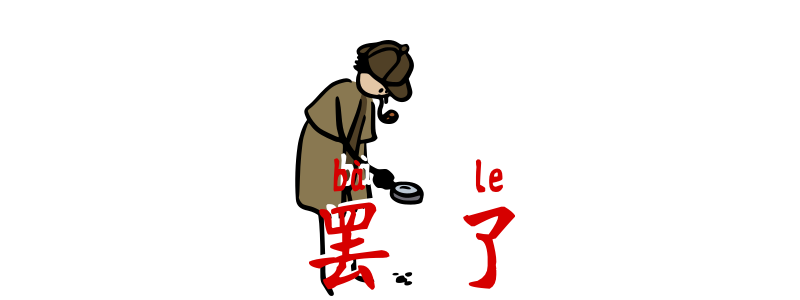
罢了 bàle is a final particle used at the end of a sentence. It has the sense of “that’s all” / “nothing more than” / “just”. It is often used to downplay, soften, or limit the statement, making it sound less strong or definitive.
Structure
Sentence + 罢了 bàle
我只是想幫忙罷了我只是想帮忙罢了
I just wanted to help, that’s all.
他不高興罷了,沒什麼大不了的他不高兴罢了,没什么大不了的
He’s just unhappy, nothing serious.
我不會中文,只會說一點罷了我不会中文,只会说一点儿罢了
I don’t really speak Chinese; I can only speak a little.
他不想去,也就罷了他不想去,也就罢了
He doesn’t want to go, so that’s fine / it’s settled.
我只是開玩笑罷了我只是开玩笑罢了
I was just joking.
他不想參加比賽,只是怕輸罷了他不想参加比赛,只是怕输罢了
He doesn’t want to join the competition; he’s just afraid of losing.
我們只是朋友罷了我们只是朋友罢了
We’re just friends, that’s all.
罢了 bàle VS 而已 éryǐ
- 罢了 bàle:“that’s all,” “just,” “only,” often used to downplay or soften a statement.
- 而已 éryǐ:“that’s all,” “only,” more formal or neutral, often in written or polite speech.

