OneDotDot Chinese Grammar · HSK 7-9 Grammar Point · HSK 7-9 一個勁兒一个劲儿 yígèjìnr — “Nonstop” / “Incessantly” 一個勁兒一个劲儿 yígèjìnr is a colloquial, spoken expression for doing something over and over without stopping — often with real intensity behind it. 一個勁兒 yígèjìnr goes before the verb, usually followed by 地 de — very spoken, very vivid,…
Author: tiffany
一连 yìlián & 相继 xiāngjì
OneDotDot Chinese Grammar · HSK 7-9 Grammar Point · HSK 7-9 一連一连 yìlián / 相繼相继 xiāngjì — “In a Row” / “One After Another” 一連一连 yìlián counts consecutive repeats of one thing; 相繼相继 xiāngjì lines up multiple different subjects doing something one after the other. Both describe repetition over time, but they answer different questions:…
“Once Again” in Chinese – 再度 zàidù
OneDotDot Chinese Grammar · HSK 7-9 Grammar Point · HSK 7-9 再度 zàidù — “Once Again” 再度 zàidù means “once again” or “a second time” — the formal, journalistic cousin of 再 zài and 再次 zàicì, right at home in news headlines and reports. 再度 zàidù goes right before the verb — the same slot…
“Now and Then” – 時而 shí’ér
OneDotDot Chinese Grammar · HSK 7-9 Grammar Point · HSK 7-9 時而时而 shí’ér — “Now and Then” 時而时而 shí’ér is most at home in its doubled form, 時而时而 A,時而时而 B, painting a picture of something alternating back and forth. 時而 shí’ér can stand alone to mean “occasionally,” but its signature move is describing two states…
偶尔 ǒu’er & 老 lǎo
OneDotDot Chinese Grammar · HSK 4 Grammar Point · HSK 4 偶爾偶尔 ǒu’ěr & 老 lǎo 偶爾偶尔 ǒu’ěr (“occasionally”) and 老老 lǎo (“always,” colloquial) sit at opposite ends of the frequency scale — one for things that barely happen, one for things that won’t stop happening. Both sit before the verb. 偶爾偶尔 ǒu’ěr marks something…
“Always” in Chinese 3 – 老是 lǎoshì
OneDotDot Chinese Grammar · HSK 5 Grammar Point · HSK 5 老是 lǎoshì — “Always” (with an eye-roll) 老是 lǎoshì means “always,” same as 總是 zǒngshì — but it almost always carries a complaint. You reach for 老是 when something keeps happening and it’s starting to bug you. 老是 sits before the verb, exactly where…
“Always” in Chinese 1 – zǒng / zǒngshì
OneDotDot Chinese Grammar · HSK 3 Grammar Point · HSK 3 總总 zǒng / 總是总是 zǒngshì — “Always” 總是总是 zǒngshì describes something that happens every single time, no exceptions — stronger than 常常 chángcháng or 經常经常 jīngcháng, which just mean “a lot.” Both sit before the verb. 總是总是 zǒngshì is the everyday form; bare 總总…
“Often” in Chinese 4 – 通常 tōngcháng / 时常 shícháng
OneDotDot Chinese Grammar · HSK 5 Grammar Point · HSK 5 通常 tōngcháng / 時常 shícháng — “Often” in Chinese 通常 tōngcháng describes what’s normally the case — the default, expected state of things. 時常时常 shícháng is a more literary way to say “often,” close in meaning to 常常 chángcháng/經常经常 jīngcháng but with a written,…
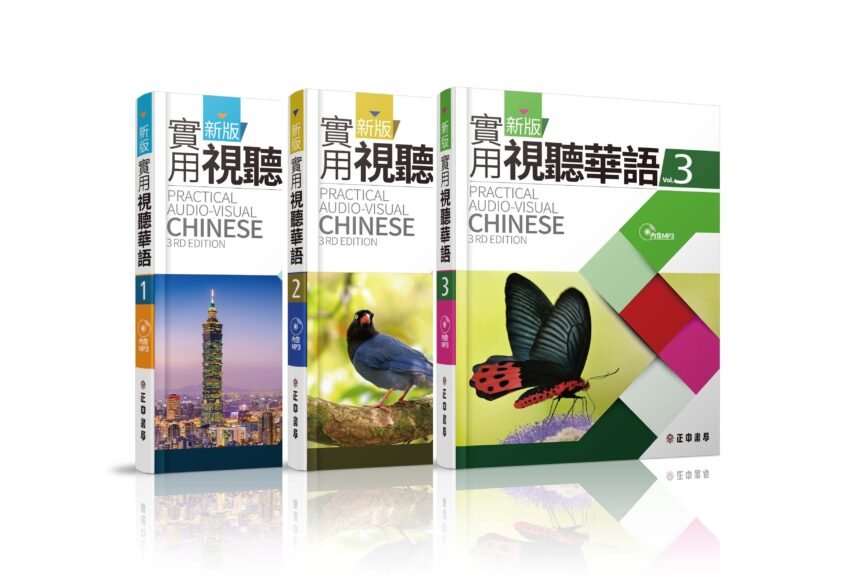
視聽華語Book 2 Lesson 13
“Often” in Chinese – cháng / jīngcháng
OneDotDot Chinese Grammar · HSK 2 Grammar Point · HSK 2 常 cháng / 經常经常 jīngcháng — “Often” 常 cháng, 常常 chángcháng, and 經常 jīngcháng all mean “often” — simple habitual repetition, no special nuance needed. All three go right before the verb. 常常常常 chángcháng is the most common in everyday speech; 經常经常 jīngcháng feels…