Skip to content

OneDotDot Chinese

Learn a little Chinese every day

Menu
  • Vocabulary
  • Grammar
  • Resources
  • Practice
  • Shop
Menu

Author: tiffany

Every in Chinese 每 mei grammar

Each and Every – 每 měi

Posted on January 31, 2024March 28, 2025 by tiffany

Grammar Point:每 měi is a Chinese character that means “every” in English. It is often used to indicate the recurrence of an action or event at regular intervals. Structure 每 měi + Measure Word + (N) + (都 dōu) Some Chinese words don’t need extra measure words because they are already like measure words. For…

Read more

“About to” in Chinese – jíjiāng

Posted on January 29, 2024January 29, 2024 by tiffany

Grammar Point:The Chinese word 即將将 jíjiāng means “soon” or “about to.” It indicates that an event or action is imminent or approaching in the near future. It conveys the sense of something happening shortly or being on the verge of occurring. Structure jíjiāng + Verb 即將将 jíjiāng is generally considered a formal term in Chinese….

Read more

“Repeatedly” in Chinese – 一再 yízài and 再三 zàisān

Posted on January 27, 2024August 19, 2026 by tiffany

OneDotDot Chinese Grammar · HSK 6 Grammar Point · HSK 6 一再一再 yízài · 再三再三 zàisān Both mean “repeatedly” or “again and again,” but they carry a different undertone. 一再一再 yízài stresses persistence — someone keeps doing something no matter what. 再三再三 zàisān leans toward advising or cautioning — someone keeps saying something because they…

Read more
Actions in Progress in Chinese 在 zài 正在 zhèngzài

在 zài as On-going Actions

Posted on January 26, 2024March 28, 2025 by tiffany

Grammar Point:In Chinese, the way to express on-going actions is by adding the auxiliary verbs 在 zài or 正在 zhèngzài in front of the verb. 在 zài is used for both short-term and long-term progress, while 正在 zhèngzài is used to emphasize the ongoing action at that moment. In spoken language, we prefer to use…

Read more

Not necessary in Chinese – 未必 wèibì

Posted on January 24, 2024August 18, 2026 by tiffany

OneDotDot Chinese Grammar · HSK 6 Grammar Point · HSK 6 未必未必 wèibì · 未嘗不未尝不 wèicháng bù Both hedge a claim instead of flatly stating it, but they lean in opposite directions. 未必未必 wèibì says “this isn’t guaranteed to be true.” 未嘗不未尝不 wèicháng bù says “you can’t really say this ISN’T true” — a double…

Read more
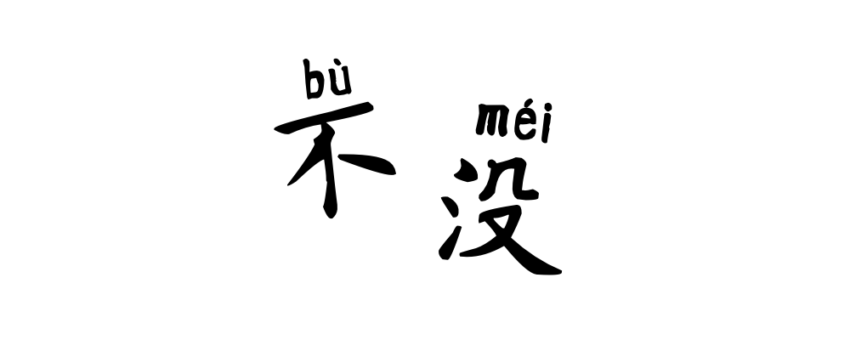
negate 不是 búshì

To negate the previous statement – 不是 búshì

Posted on January 22, 2024March 28, 2025 by tiffany

Grammar Point:This structure is a little confusing because the meaning of 不是 búshì is not just “is not”; it actually means “it is not true that.” This grammar structure is commonly used to express the negation of the previous statement. Structure 不是 + Statement 電視diànshì說shuō今天jīntiān天氣tiānqì很冷hěnlěng, 可是kěshì我wǒ覺得juéde不是búshì很冷hěnlěng电视diànshì说shuō今天jīntiān天气tiānqì很冷hěnlěng, 可是kěshì我wǒ觉得juéde不是búshì很冷hěnlěngThe TV said today’s weather is very cold, but…

Read more
On time ASAP Chinese

On time and ASAP in Chinese

Posted on January 21, 2024January 21, 2024 by tiffany

Grammar Point:The Chinese words 按時时 ànshí and 儘尽快 jǐnkuài are employed to convey various aspects of time management. 按時时 ànshí means “on time” in English, while 儘尽快 jǐnkuà translates to “as soon as possible” in English. Structure On Time – ànshí It is an adverb used to indicate punctuality or performing tasks according to a…

Read more
Food Delivery in Chinese

Food Delivery in Chinese

Posted on January 20, 2024January 20, 2024 by tiffany

Hey foodies! Tiffany here, your guide at OneDotDot Chinese. Ever wondered how to navigate Chinese food delivery apps? Well, there are some essential words you gotta know. Let’s get ready for a culinary adventure at your doorstep! Food Delivery App in China One of the food delivery apps is Meituan. It’s not just about delivering…

Read more
Chinese verb reduplication V一V

Verb Duplication – V一V

Posted on January 18, 2024January 31, 2026 by tiffany

Grammar Point:In Chinese, verb reduplication V一V suggests that the action is being done in a laid-back manner or that this action only takes a short time. Structure V(一)V These two verbs must be a monosyllabic verb, and the 一 yī can be dropped without changing the meaning. 我們wǒmen出去chūqù走一走zǒuyìzǒu吧ba我们wǒmen出去chūqù走一走zǒuyìzǒu吧baLet’s go for a (short) walk. 你nǐ可以kěyǐ幫bāng我wǒ看一看kànyíkàn我的wǒde句子jùzi對不對duìbúduì嗎ma? 你nǐ可以kěyǐ帮bāng我wǒ看一看kànyíkàn我的wǒde句子jùzi对不对duìbúduì吗ma?…

Read more
Gradually Chinese jiànjiàn 渐渐

“Gradually” in Chinese – jiànjiàn

Posted on January 16, 2024January 16, 2024 by tiffany

Grammar Point:The Chinese word 漸漸渐渐 jiànjiàn means “gradually” or “little by little” in English. It is often used to describe a process or development that happens gradually, step by step, without sudden or abrupt changes. Structure Jiànjiàn + V or Adj 4 月yuè開始kāishǐ天氣tiānqì會huì漸漸jiànjiàn暖和nuǎnhuo起來qǐlái4 月yuè开始kāishǐ天气tiānqì会huì渐渐jiànjiàn暖和nuǎnhuo起来qǐláiThe weather will gradually become warmer starting from April. 孩子háizi們men都dōu漸漸jiànjiàn長大zhǎngdà了le, 父母fùmǔ卻què漸漸jiànjiàn老lǎo了le孩子háizi们men都dōu渐渐jiànjiàn长大zhǎngdà了le, 父母fùmǔ却què渐渐jiànjiàn老lǎo了leThe…

Read more

Posts pagination

  • Previous
  • 1
  • …
  • 33
  • 34
  • 35
  • 36
  • 37
  • 38
  • 39
  • …
  • 83
  • Next
當代中文当代中文 · Series

Contemporary Chinese

Volume Book 1 Volume Book 2 Coming Soon Book 3 Coming Soon Book 4
中文聽說讀寫中文听说读写 · Series

INTEGRATED CHINESE

Coming Soon Book 1 Coming Soon Book 2 Coming Soon Book 3 Coming Soon Book 4

OneDotDot Chinese

When a foreign friend says their Chinese is "yì diǎn diǎn" (just a little), this site exists to make that little bit grow, one day at a time.

  ABOUT

  About Me
  Special Thanks
  News
  My Students Only

  CONTACT

  LinkedIn
  Instagram
  Privacy Policy

© 2026 OneDotDot Chinese | Powered by Superbs Personal Blog theme