常 · 經常 · 往往 · 平常 — 近義詞辨析 Similar words 常常 cháng · 經常经常 jīngcháng · 往往往往 wǎngwǎng · 平常平常 píngcháng Four ways to say “often” in Mandarin — and the grammar that keeps each one in its lane. 常常常常 chángcháng, 經常经常 jīngcháng, 往往往往 wǎngwǎng, and 平常平常 píngcháng share a similar meaning of “often”…
Category: HSK 5
Synonyms of “Again” in Chinese
又 · 再 · 還 / 还 — 近義詞辨析 Similar Words 又 yòu · 再 zài · 還还 hái Three Chinese words usually translated as “again” in English — here is how to master the differences in timing and repetition. In English, the word “again” covers almost every form of repetition. In Mandarin, however, repetition…
Beef and Steak in Chinese
01 — 部位 Ten Cuts of Beef Taiwan and mainland China often use entirely different names for the same cut — the Text Display switch on your site will flip the terms here too. Click a number on the diagram to bring up its flashcard. 1 2 3 4 5 6 7 8 9 10…
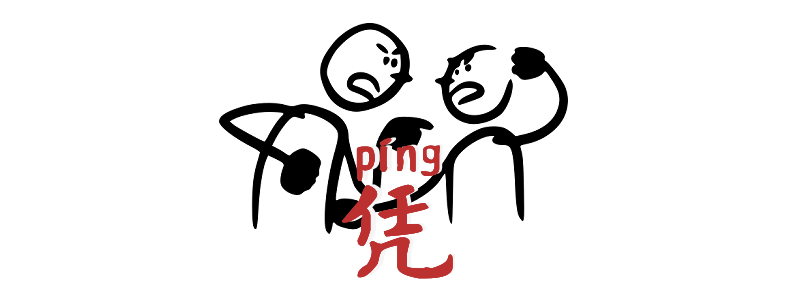
Using píng to express on the basis
Grammar Point:The word 憑凭 píng in Chinese is a preposition or verb used to indicate “relying on,” “based on,” or “depending on.” It can also express “by means of” or “according to.” It’s versatile and commonly used in formal or semi-formal contexts. Structure 憑凭 píng + N / Noun Phrase + V It indicates using something as…
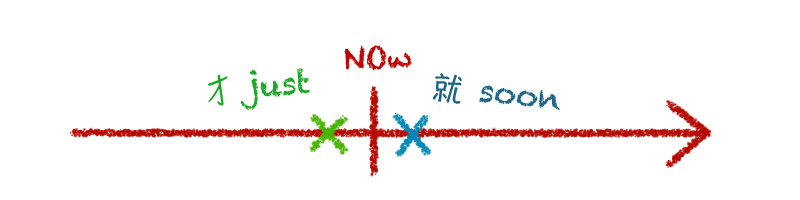
就 vs 才
就 jiù and 才 cái have many similar functions, but not the same, which confuses many Chinese learners. In this article, we are going to talk about 7 common comparisons of 就 jiù and 才 cái. 1. Time + 就/才 就 jiù 才 cái Earlier than expectedIf the action happened, you need to put 了…
The functions of 把 bǎ 3
OneDotDot Chinese Grammar · HSK 5 Grammar Point · HSK 5 把 bǎ把 bǎ — 把 Sentence 3 Two structures that bend the usual 把 bǎ把 bǎ rules a little:one borrowed from “as soon as,” and one where the verb takes two objects at once. Both are common in everyday speech, even though they look…
Degree complements 3
OneDotDot Chinese Grammar · HSK 5 Grammar Point · HSK 5 程度補語程度补语 chéngdù bǔyǔ — Degree Complement 3 One level up from 死了死了 sǐle and 厲害厉害 lìhài: 得得 de + 不得了不得了 bùdéliǎo pushes the intensity even further — literally “unbearable,” used for something so extreme it’s hard to contain. Structure: Adjective / Psychological Verb +…

Showing Perspective in Chinese 2
Grammar Point:In Chinese, the structures 在 zài··· 看来 kànlái and 从 cóng··· 来看 láikàn are commonly used to express a viewpoint. They can be translated as “in someone’s opinion” or “judging from a certain perspective.” Structure 在 + Somebody + 看來来 + Commentary This structure translates to “in someone’s opinion” or “from someone’s perspective.” It highlights a subjective…

Even If in Chinese 3
Grammar Point:To express even if in Chinese, we need to use 即使 jíshǐ or 哪怕 nǎpà and usually followed by the second clause 也 yě. In this pattern, the first clause is a supposition, which is then struck down as impossible by the statement’s second clause. Structure 即使 + ···,也 + ··· Subject 1 can…

Using Yǒu to Express Attachment
Grammar Point:The “you sentence”, we call it 有字句 yǒuzìjù in Chinese. The word 有 yǒu has many functions. In this article, we are going to talk about “attachment” and “possession.” attachment in Chinese Structure S + 有 yǒu + 著/着 zhe + O It use to indicate existence or possession. 兩liǎng個ge國家guójiā之間zhījiān有yǒu著zhe長期chángqí的de友好yǒuhǎo關係guānxī两liǎng个ge国家guójiā之间zhījiān有yǒu着zhe长期chángqī的de友好yǒuhǎo关系guānxiThe two countries have a…