The Benefits of Traveling
Vocabulary
experience
他有很多工作經驗他有很多工作经验
He has a lot of work experience.
custom, tradition
中國的春節有很多傳統習俗中国的春节有很多传统习俗
There are many traditional customs in Spring Festival.
strengthen
運動可以增強你的身體运动可以增强你的身体
Exercise can strengthen your body.
way, pattern, style
每個人都有自己的學習方式每个人都有自己的学习方式
Everyone has their own way of learning.
reduce
多走路可以減少空氣污染多走路可以减少空气污染
Walking more can reduce air pollution.
delight, pleasure
看書給我帶來了很多樂趣看书给我带来了很多乐趣
Reading brings me a lot of pleasure.
challenge
學中文對我來說是一個挑戰学中文对我来说是一个挑战
Learning Chinese is a challenge for me.
self-confidence
她的演講增加了我的自信心她的演讲增加了我的自信心
Her speech increased my self-confidence.
independent
他很獨立,從小就會照顧自己他很独立,从小就会照顾自己
He is very independent and has taken care of himself since childhood.
autonomous, self-determined
學生要學會自主學習学生要学会自主学习
Students need to learn to study autonomously.
Reading Passage
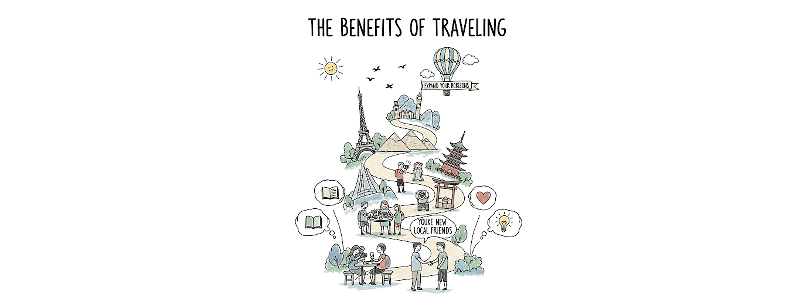
旅行是一个很好的经验,尤其对于年轻人来说。通过旅行,人们可以了解不同的文化和习俗,增强自己的语言能力,认识新的朋友,体验不同的生活方式。此外,旅行还可以帮助人们放松心情,减少压力,享受生活的乐趣。
当你旅行时,你需要面对许多挑战,例如适应当地的气候和环境,处理与陌生人的交流,解决旅行中的问题。这些挑战可能会令人感到不安和紧张,但同时也可以帮助你发展自己的能力,例如增强自信心,提高解决问题的能力,让你更加独立和自主。
最后,旅行还可以帮助人们更好地了解自己。当你离开你熟悉的环境,面对不同的情况和挑战时,你会更容易发现自己的优点和缺点,并开始思考如何改进自己。
总之,旅行是一个很好的学习和成长的机会,它可以帮助我们了解世界,了解自己,提高自己的能力,并享受生活的乐趣。
Lǐxíng shì yíge hěnhǎo de jīngyàn, yóuqí duìyú niánqīng rén lái shuō. Tōngguò lǐxíng, rénmen kěyǐ liǎojiě bùtóng de wénhuà hé xísú, zēngqiáng zìjǐ de yǐyán nénglì, rènshi xīn de péngyǒu, tǐyàn bùtóng de shēnghuó fāngshì. Cǐwài, lǐxíng hái kěyǐ bāngzhù rénmen fàngsōng xīnqíng, jiǎnsǎo yālì, xiǎngshòu shēnghuó de lèqù.
Dāng nǐ lǐxíng shí, nǐ xūyào miànduì xǎdūo tiǎozhàn, lìrú shìyìng dāngdì de qìhòu hé huánjìng, chǔlǐ yǔ mòshēng rén de jiāoliú, jiějué lǐxíng zhōng de wèntí. Zhèxiē tiǎozhàn kěnéng huì lìng rén gǎndao bù’ān hé jǐnzhāng, dàn tóngshí yě kěyǐ bāngzhù nǐ fāzhǎn zìjǐ de nénglì, lìrú zēngqiáng zìxìnxīn, tígāo jiějué wèntí de nénglì, ràng nǐ gèngjiā dúlì hé zìzhǔ.
Zuìhòu, lǐxíng hái kěyǐ bāngzhù rénmen gèng hǎo de liǎojiě zìjǐ. Dāng nǐ líkāi nǐ shúxi de huánjìng, miàn duì bùtóng de qíngkuàng hé tiǎozhàn shí, nǐ huì gèng róngyì fāxiàn zìjǐ de yōudiǎn hé quēdiǎn, bìng kāishǐ sīkNJo rúhé gǎijìn zìjǐ.
Zǒngzhī, lǐxíng shì yíge hěnhǎode xuéxí hé chéngzhǎng de jīhuì, tā kěyǐ bāngzhù wǒmen liǎojiě shìjiè, liǎojiě zìjǐ, tígāo zìjǐ de nénglì, bìng xiǎngshòu shēnghuó de lèqù.
Traveling is a great experience, especially for young people. Through traveling, people can learn about different cultures and customs, enhance their language skills, make new friends, and experience different ways of life. In addition, traveling can help people relax, reduce stress, and enjoy the pleasures of life.
When you travel, you face many challenges, such as adapting to the local climate and environment, dealing with communication with strangers, and solving problems during the trip. These challenges may be unsettling and nerve-wracking, but they can also help you develop your abilities, such as increasing confidence, improving problem-solving skills, and making you more independent and self-reliant.
Finally, traveling can also help people better understand themselves. When you leave your familiar environment and face different situations and challenges, you are more likely to discover your strengths and weaknesses and begin to think about how to improve yourself.
In short, traveling is a great opportunity for learning and growth. It can help us understand the world, understand ourselves, improve our abilities, and enjoy the pleasures of life.
Comprehension Questions
旅行對年輕人有什麼好處?旅行对年轻人有什么好处?
旅行可以幫助人們減少什麼?旅行可以帮助人们减少什么?
旅行時可能會面臨哪些挑戰?旅行时可能会面临哪些挑战?
旅行可以幫助人們更好地了解什麼?旅行可以帮助人们更好地了解什么?
為什麼旅行可以幫助改進自己?为什么旅行可以帮助改进自己?
Did this lesson help you? 🙂
If you enjoyed practicing with this page, consider buying me a coffee — it helps keep new lessons like this one coming.
☕ Buy me a coffee