OneDotDot Chinese Grammar · HSK 1 Grammar Point · HSK 1 是是 shì — “to be” 是是 shì is an equative verb. It links two nouns that refer to the same thing, like “I am a teacher” or “This is my book.” Think of 是是 shì as an equals sign: A 是是 shì B means…
Author: tiffany
过 guò Grammar
OneDotDot Chinese Grammar · HSK 2 Grammar Point · HSK 2 過过 guò — past experiences The particle 過过 guò talks about something you have (or haven’t) experienced before. It always goes right after the verb. Think of V + 過过 guò as “have ever done.” It’s about whether something is part of your experience,…
Chinese Comparisons 5 – 宁可 nìngkě
OneDotDot Chinese Grammar · HSK 7-9 Grammar Point · HSK 7-9 Chinese Comparisons 5與其 yǔqí与其 yǔqí … 寧可 níngkě宁可 nìngkě … Beyond 比 bǐ比 bǐ, Chinese has ways to say “would rather … than …” and more formal ways to compare. 與其 yǔqí与其 yǔqí … 不如 bùrú不如 bùrú / 寧可 níngkě宁可 níngkě … weigh two…
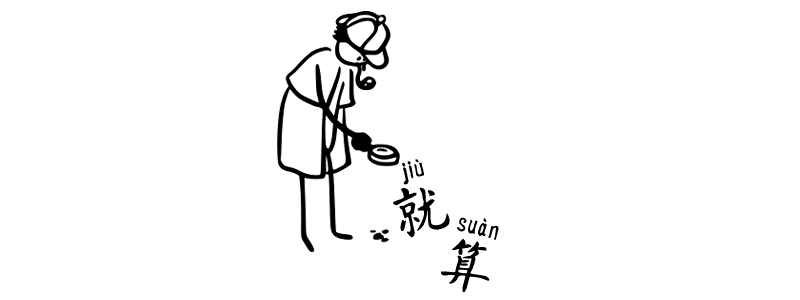
“Even If” in Chinese 4 – 就算 jiùsuàn
Grammar Point:To express “even if” in Chinese, we need to use 就算 jiùsuàn or 就是 jiùshì and usually followed by the second clause 也 yě. In this pattern, the first clause is a supposition, which is then struck down as impossible by the statement’s second clause. Structure 就算 + ···,也 + ··· It is an…
Existence in a place in Chinese
OneDotDot Chinese Grammar · HSK 1 Grammar Point · HSK 1 在在 zài — existence in a place To say that someone or something is in or at a place, Chinese uses the verb 在在 zài. In this function it means “to be in” or “to be at.” 在在 zài does two jobs here. On…
Making Conclusion in Chinese
In this article, we are going to talk about some phases to make a good conclusion in Chinese. A clear conclusion can change a reader’s or listener’s mind when they reach the end of your speech. Especially in Chinese, we tend to save the most important information in our last sentence. Now let’s learn some…
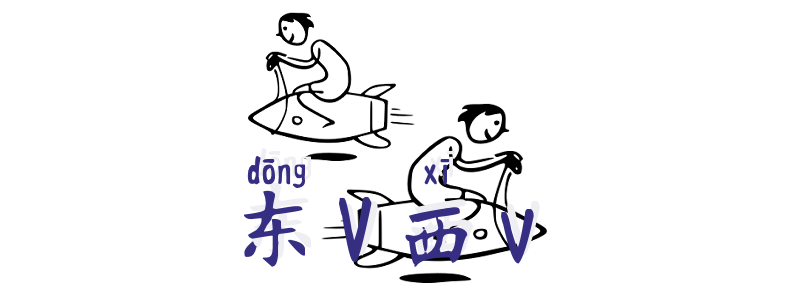
東/东 V 西 V Grammar
The grammar of 東/东 V 西 V has 3 different meanings, depending on whether the order and two verbs you use are the same or not. And notice that all the verbs must be one-syllable verbs. Structure 東/东 + V + 西 + V This structure can be used if want to say you are…
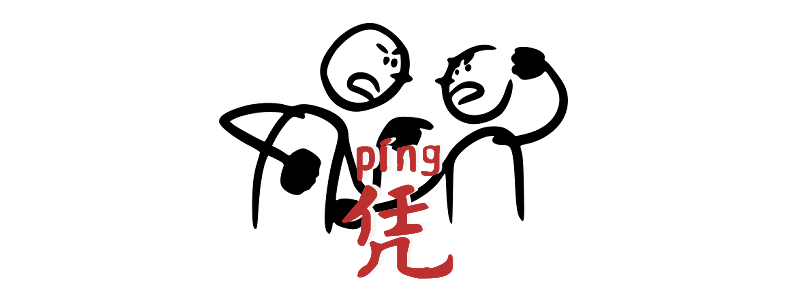
Using píng to express on the basis
Grammar Point:The word 憑凭 píng in Chinese is a preposition or verb used to indicate “relying on,” “based on,” or “depending on.” It can also express “by means of” or “according to.” It’s versatile and commonly used in formal or semi-formal contexts. Structure 憑凭 píng + N / Noun Phrase + V It indicates using something as…
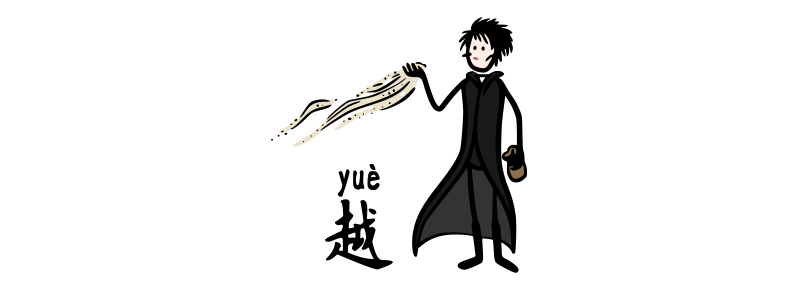
More and More 2
Grammar Point:In Chinese, the phrase 越 yuè…越 yuè… is commonly used to express that the degree of something increases with another situation. Structure – 越 + Adj. + 越 S + 越 yuè + Adj + 越 yuè + Adj or V It is important to note that 越 yuè…越 yuè… should not be followed…
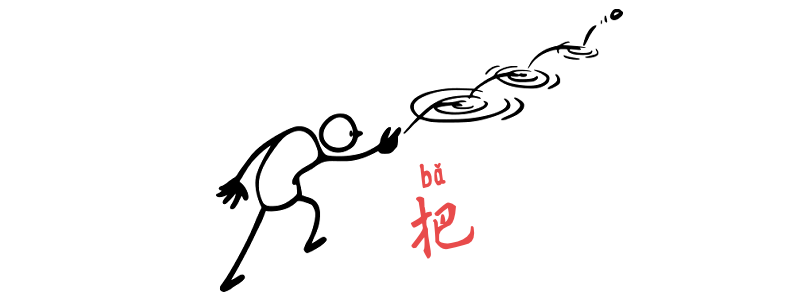
The functions of 把 bǎ 5 (Advanced)
Grammar Point:There are 3 functions of 把 bǎ in Chinese. Determination, command, and doing a movement on something that makes a change to it. If you’re not familiar with the basic foundation of 把 structure, I suggest reading the following articles first. Structure (S) + 把 + O + Verb + 了 This structure may…