
Author: tiffany
Approximate Numbers 4 – 来 lái
OneDotDot Chinese Grammar · HSK 4 Grammar Point · HSK 4 Approximate Numbers 4Number + 來来 lái — “About, Around” In Chinese, the word 來来 lái can be used to indicate an approximate number when paired with a quantifier or measure word. This usage implies an estimation or approximation rather than an exact count. Put…
Question Word – How 怎麼 zěnme
Grammar Point 怎麼怎么 zěnme & 怎麼樣怎么样 zěnmeyàng In Chinese, “how” can be 怎麼樣怎么样 zěnmeyàng or just 怎麼怎么 zěnme, depending on the situation. To ask “how long”, use 多久 duōjiǔ. Quick difference 怎麼怎么 zěnme goes before a verb and asks about the way to do something. 怎麼樣怎么样 zěnmeyàng goes at the end and asks “how is…
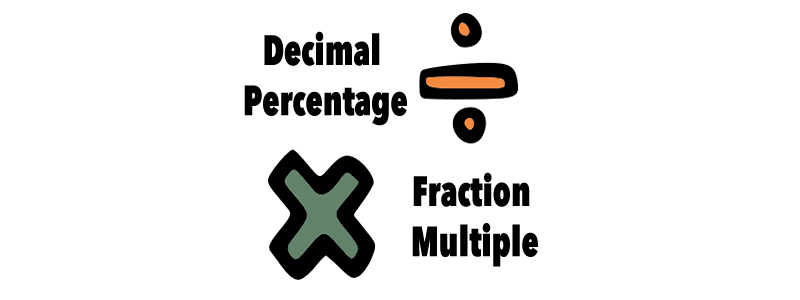
Decimal, fraction, percentage, and multiple in Chinese
Here’s how Chinese expresses decimal, fraction, percentage, and multiple: Decimal 小數数 xiǎoshù: In Chinese, decimals are expressed using the same format as in English, with a decimal point. If the digits after the decimal point exceed two, we read them individually. 0.5: 零líng點diǎn五wǔ零líng点diǎn五wǔ 12.25: 十二shíèr點diǎn二èr五wǔ十二shíèr点diǎn二èr五wǔ 3.724: 三sān點diǎn七qī二èr四sì三sān点diǎn七qī二èr四sì 72.0029: 七十二qīshíèr點diǎn零líng零líng二èr九jiǔ七十二qīshíèr点diǎn零líng零líng二èr九jiǔ Fraction 分數数 fēnshù: To express fractions…

“Instead of” in Chinese – tì and dàitì
Grammar Point:In Chinese grammar, 替 tì and 代替 dàitì are prepositions used to indicate substitution or acting on behalf of someone or something. Structure Noun/Pronoun + 替 tì + Noun/Pronoun + V The nouns and pronouns here usually are human not objects. 他tā替tì我wǒ做zuò了le很hěn多duō工作gōngzuò他tā替tì我wǒ做zuò了le很hěn多duō工作gōngzuòHe did a lot of work for me. (substitution) 我wǒ替tì老闆lǎobǎn接jiē了le電話diànhuà我wǒ替tì老板lǎobǎn接jiē了le电话diànhuàI answered the phone…
Chinese Comparison Words – bǐ and bǐjiào
Grammar Point 比 bǐ & 比較比较 bǐjiào Two little words help you compare things in Chinese. 比 bǐ (bǐ) means “more than”, and you use it when you name both things. 比較比较 bǐjiào (“rather, fairly”) is for when you don’t name the second thing. Let’s see how each one works. 一 比 bǐ: “more than”…
Linking Two adjectives with 又 yòu
Grammar Point 又 yòu 又 yòu helps you say something is “both… and…”. Use it when one thing has two qualities at the same time, like “cheap and tasty”. The two qualities need to feel the same: both good, or both bad. 一 又 yòu + Adjective + 又 yòu + Adjective Subject + 又…
With – 跟 gēn
Grammar Point 跟 gēn 跟 links things together — it can mean “and” (joining two nouns or two matching activities) or “with” (doing something together with someone). Same character, two different jobs depending on what’s on either side of it. 一 跟 as “And” Similar to 和 (hé). Use it to join two nouns, or…
“Regarding” in Chinese 1 – guānyú and duìyú
Grammar Point:In Chinese, guānyú 關於关于 and duìyú 對於对于 are both prepositions that can be translated as “about” or “regarding” in English, but they are used slightly differently. Structure Guānyú + N or N Phrase It names a topic and often emphasizes a range, then introduces a comment related to it. 關於guānyú這個zhège提案tíàn, 你nǐ有yǒu什麼shénme想法xiǎngfǎ嗎ma? 关于guānyú这个zhège提案tíàn, 你nǐ有yǒu什么shénme想法xiǎngfǎ吗ma? Regarding…

“According to” in Chinese 2 – gēnjù
Grammar Point:The Chinese word 根據据 gēnjù means making decisions or taking actions based on reasons or evidence, similar to “according to” or “based on” in English. It’s used when referring to using evidence, following instructions, or making decisions based on specific information. Structure 根據据 gēnjù + N 根據gēnjù今天jīntiān的de天氣tiānqì預報yùbào, 明天míngtiān可能kěnéng會huì下雨xiàyǔ根据gēnjù今天jīntiān的de天气tiānqì预报yùbào, 明天míngtiān可能kěnéng会huì下雨xiàyǔAccording to today’s weather forecast, it…