Grammar Point 跟 gēn … 一樣一样 yíyàng: The Same As To compare two things in Chinese, you usually use 比 bǐ. But to say two things are the same, you don’t need 比 bǐ at all. Instead, use 跟 gēn or 和 hé with 一樣 yíyàng一样 yíyàng. 一 The Same: 跟⋯一樣一样 A + 跟 /…
Author: tiffany
Negation – 不 bù and 沒 méi
Grammar Point 不 bù vs. 沒没 méi: Saying “Not” Chinese has two main words for “not”: 不 bù and 沒 méi没 méi. Which one you use depends on what comes after it: a noun, an adjective, or a verb. 一 At a Glance Here’s the quick version: + Noun + Adjective + Verb 不 bù…
On the topic of…
Grammar Point:In Chinese, the phrases “在 zài… 方面 fāngmiàn”, “在 zài… 上 shàng”, “在 zài… 中 zhōng”, and “在 zài… 下 xià” are often used to introduce topics or specify aspects of a discussion. Structure 在 zài… 方面 fāngmiàn This phrase is used to talk about specific aspects or fields. It can be translated as…
Making Question with 是不是 shìbúshì
Grammar Point 是不是 shì bú shì: “Right?” 是不是 shì bú shì turns a sentence into a yes/no question, but with a twist: you use it when you already think you know the answer and just want to check. It’s a lot like “right?”, “isn’t it?” or “don’t you?” at the end of an English sentence….
Generally Speaking in Chinese
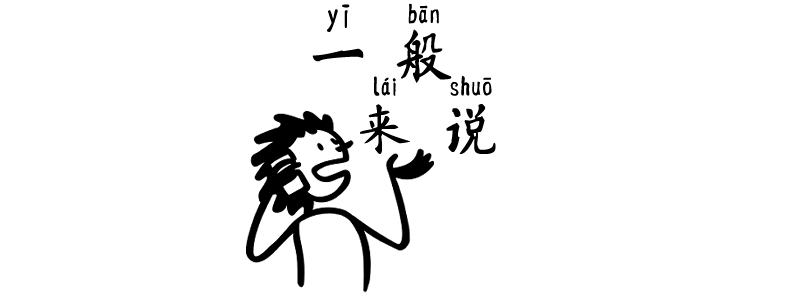
Grammar Point:“Generally speaking” in Chinese can be expressed as 一般來說来说 yìbānláishuō. Examples 一般來說yìbānláishuō, 早餐zǎocān吃chī雞蛋jīdàn會huì讓ràng你nǐ一yì整天zhěngtiān都dōu有yǒu精神jīngshén一般来说yìbānláishuō, 早餐zǎocān吃chī鸡蛋jīdàn会huì让ràng你nǐ一yì整天zhěngtiān都dōu有yǒu精神jīngshénGenerally speaking, eating eggs for breakfast will keep you energized all day. 一般來說yìbānláishuō, 貓咪māomī比bǐ狗狗gǒugǒu更gèng喜歡xǐhuān獨處dúchù, 但dàn我wǒ的de狗gǒu不bú太tài一樣yíyàng一般来说yìbānláishuō, 猫梦māomèng比bǐ狗狗gǒugǒu更gèng喜欢xǐhuan独处dúchù, 但dàn我wǒ的de狗gǒu不bú太tài一样yíyàngGenerally speaking, cats prefer to be alone more than dogs do, but my dog is different. 一般來說yìbānláishuō, 我wǒ會huì在zài網站wǎngzhàn上shàng更新gèngxīn一些yìxiē中文zhōngwén練習liànxí材料cáiliào, 幫助bāngzhù學生xuéshēng準備zhǔnbèiHSK 考試kǎoshì一般来说yìbānláishuō, 我wǒ会huì在zài网站wǎngzhàn上shàng更新gèngxīn一些yìxiē中文zhōngwén练习liànxí材料cáiliào, 帮助bāngzhù学生xuéshēng准备zhǔnbèiHSK 考试kǎoshìGenerally speaking, I…
Doing Sth More or Less in Chinese
Grammar Point 多 duō / 少 shǎo + Verb: Doing More or Less To say “do something more” or “do something less,” put 多 duō or 少 shǎo in front of the verb. English puts “more” and “less” after the verb, but Chinese puts them before it. You’ll hear this all the time in advice,…
Every or None in Chinese
Grammar Point Question Words for “Every” and “None” Question words like 誰 shéi谁 shéi, 哪裡 nǎlǐ哪里 nǎli and 什麼 shénme什么 shénme aren’t only for questions. Add 都 dōu after them and they mean “every”: everyone, everywhere, everything. Add a negative word too, and they mean “none”: no one, nowhere, nothing. 一 Question Words at a…
Chinese Referring to People – 人家 rénjiā
OneDotDot Chinese Grammar · HSK 6 Grammar Point · HSK 6 Chinese Personal Pronouns 4人家 rénjiā人家 rénjia — Others, Me, and Households In Chinese, the term 人家 rénjiā人家 rénjia is a versatile pronoun that can be used in various contexts to refer to different people. Depending on the moment, 人家 rénjiā人家 rénjia can mean “other…
一 yī… 就 jiù… As soon as
Grammar Point 一 yī … 就 jiù …: As Soon As 一 yī…就 jiù… links two actions: the moment the first one happens, the second one follows right away. It’s a lot like “as soon as” in English. It can also mean “every time,” when one thing always leads to another. 一 As Soon As…
Two Functions of 好 hǎo and 难 nán
Grammar Point 好 hǎo & 難难 nán + Verb 好 hǎo (“good”) and 難 nán难 nán (“hard”) can go in front of a verb to make a new adjective. These words can mean two different things: good vs. bad (how something looks, tastes or sounds), or easy vs. hard (how easy it is to do)….