Skip to content

OneDotDot Chinese

Learn a little Chinese every day

Menu
  • Vocabulary
  • Grammar
  • Resources
  • Practice
  • Shop
Menu

Author: tiffany

若 ruò 可 kě

“If” and “but” – 若 ruò and 可 kě

Posted on April 26, 2025April 26, 2025 by tiffany

Grammar Point:When reading or listening to Chinese, you might notice that sometimes very short words are used instead of the full forms of “if” and “but.” Two common examples are 若 ruò for “if” and 可 kě for “but.” They come from literary Chinese and add either a formal touch or a strong, punchy feeling depending on the context….

Read more
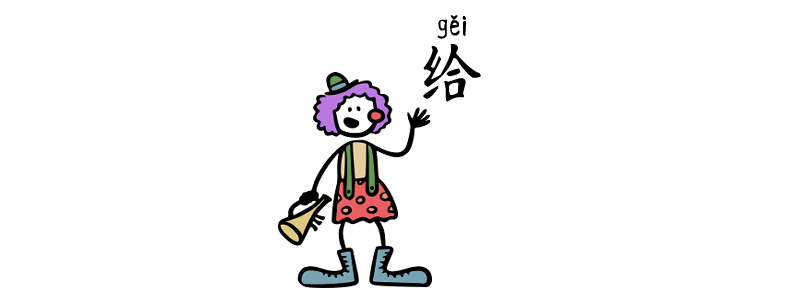
Chinese Preposition 给 gěi

Indirect Object Marker – 給 gěi

Posted on April 22, 2025April 22, 2025 by tiffany

Grammar Point:In Chinese, “給给 gěi” isn’t just used to mean “to give.” It also works like a bridge between the action and the person who receives that action. We call this person the indirect object. When 给 gěi is used this way, it’s called an Indirect Object Marker — it shows who you’re doing something for or to. Structure S + V + 給给 gěi + Recipient + Direct…

Read more
Chinese Preposition 给 gěi

Indirect Object Marker 给 gěi

Posted on April 21, 2025April 21, 2025 by tiffany

Grammar Point:In Chinese, “給给 gěi” isn’t just used to mean “to give.” It also works like a bridge between the action and the person who receives that action. We call this person the indirect object. When 给 gěi is used this way, it’s called an Indirect Object Marker — it shows who you’re doing something for or to. Structure S + V + 給给 gěi + Recipient + Direct…

Read more
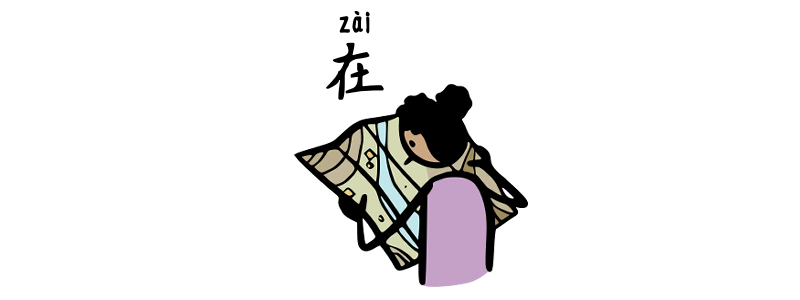
在 zài location maker

Resultant Location with Verb + 在 zài

Posted on April 19, 2025April 19, 2025 by tiffany

Grammar Point:In Chinese, when you want to tell someone where to put something or where something ends up after an action, you use the pattern “Verb + 在 zài.” This is called a Resultant Location structure. It shows the final location of an object after an action is done. Structure Knowing Object + V + 在 zài + Location This structure…

Read more
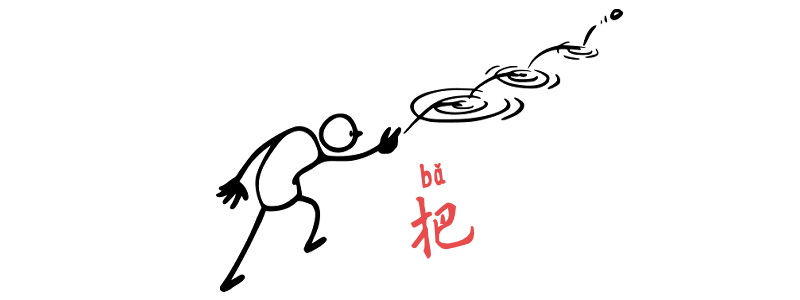
The function of 把 ba in Chinese

Moving on an Object with 把 bǎ

Posted on April 18, 2025April 18, 2025 by tiffany

Grammar Point:There are 3 functions of 把 bǎ in Chinese. Determination, command, and doing a movement on something that makes a change to it. And since 把 bǎ cannot be translated into English, many English speakers feel awkward using it. But it is a piece of grammar that Chinese native speakers use a lot in…

Read more
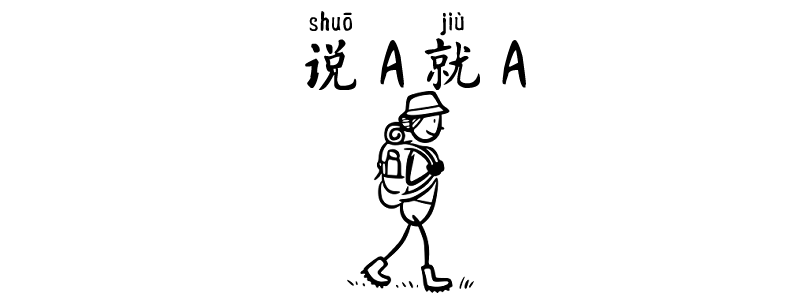
說 shuō A 就 jiù A

Say A, then A – 說 shuō A 就 jiù A

Posted on April 17, 2025April 17, 2025 by tiffany

Grammar Point:The Chinese structure 說说 shuō A 就 jiù A means doing something immediately after saying it, often without any hesitation, planning, or discussion. It can also express surprise or admiration at someone’s quick action, or be used to criticize someone for acting too impulsively. Structure 說说 shuō + V + 就 jiù + V…

Read more

Chinese Slang – 智商税 zhìshāng shuì

Posted on April 16, 2025August 9, 2026 by tiffany

Zhishang Shui 智商稅智商税 · Zhìshāng shuì In one line Literally “IQ tax” — money spent on useless or overpriced goods because of gullibility, misinformation, or misleading ads. Definition 名詞名词 NOUN Literally meaning “IQ tax,” this internet slang describes money you waste on things that turn out to be useless, scams, or massive overcharges, as if…

Read more
有說有笑 yǒushuōyǒuxiào

There is A, and there is B too – 有 yǒu A 有 yǒu B

Posted on April 15, 2025April 15, 2025 by tiffany

Grammar Point:The 有 yǒu A 有 yǒu B pattern is a concise and expressive grammatical structure in Chinese that uses parallel construction to indicate the presence of multiple elements or a comprehensive range. It’s important to note that this structure isn’t something you can just use with any words — it’s usually limited to a…

Read more
沒大沒小 沒日沒夜 没头没脑

No A, no B – 沒 méi A 沒 méi B

Posted on April 13, 2025April 13, 2025 by tiffany

Grammar Point:沒 méi A 沒 méi B, literally “no A, no B,” is used to emphasize a complete lack of certain things—usually two related nouns or qualities—and is often spoken in a casual, emotional, or disapproving tone. It’s important to note that this structure isn’t something you can just use with any words — it’s…

Read more
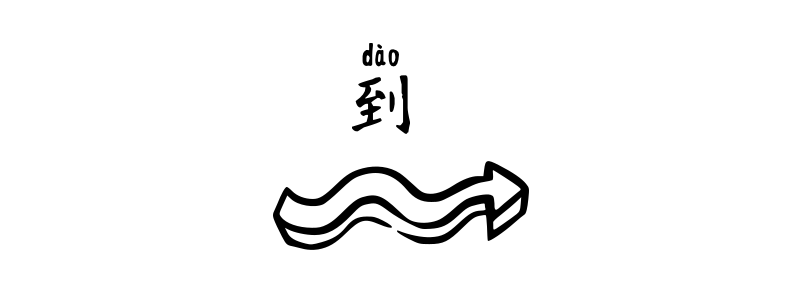
Movement Marker 到 dào

Destination Marker 到 dào

Posted on April 12, 2025April 12, 2025 by tiffany

Grammar Point:In Chinese, the movement marker 到 dào is used to indicate the completion or arrival of an action or movement to a particular destination. Structure S + 到 dào + Place + (Do what) It’s often used with verbs of motion, such as 來来 lái (to come), 去 qù (to go), or other action…

Read more

Posts pagination

  • Previous
  • 1
  • …
  • 21
  • 22
  • 23
  • 24
  • 25
  • 26
  • 27
  • …
  • 89
  • Next
當代中文当代中文 · Series

Contemporary Chinese

Volume Book 1 Volume Book 2 Coming Soon Book 3 Coming Soon Book 4
中文聽說讀寫中文听说读写 · Series

INTEGRATED CHINESE

Coming Soon Book 1 Coming Soon Book 2 Coming Soon Book 3 Coming Soon Book 4

OneDotDot Chinese

When a foreign friend says their Chinese is "yì diǎn diǎn" (just a little), this site exists to make that little bit grow, one day at a time.

  ABOUT

  About Me
  Special Thanks
  News
  My Students Only

  CONTACT

  LinkedIn
  Instagram
  Privacy Policy

© 2026 OneDotDot Chinese | Powered by Superbs Personal Blog theme